










Woodwize makes sustainable work a practical reality for businesses in the wood sector
Texte Petra Broeders | Photos Woodwize, Jens Mollenvanger
Staying healthy and motivated at work, even when retirement is still a long way off: that is what sustainable work is all about. For businesses in the wood sector, it should not become another box to tick on a to-do list, says Stefan Hinnekens, Safety and Well-being Adviser at Woodwize. A robust prevention policy and good everyday habits already provide an important foundation. However, recent figures show that work-related stress, motivation and training opportunities deserve particular attention in the sector. Woodwize will offer practical solutions at free information sessions in November.
The concept of sustainable work may seem broad. Yet according to Stefan Hinnekens, it is much closer to the day-to-day running of a business than many entrepreneurs realise.
“Workplace safety, health, ergonomics, psychosocial well-being, occupational hygiene… A business that consciously pays attention to these areas is already working towards making work more sustainable. Think of it as the finishing touch to a robust prevention policy.”
There are also a few specific points to consider: a realistic workload, training opportunities, enough autonomy and a good work-life balance.
To gain a clearer picture of these different aspects, Woodwize, as a knowledge and training centre and prevention institute, commissioned a second analysis in 2025 of sustainable work among workers in the wood and furniture industry. The sector barometer analyses work-related stress, motivation, learning opportunities and work-life balance, among other areas.
The results show that almost half of respondents face difficulties in at least one of these areas. “Work-related stress, a lack of training opportunities and motivation problems stand out in particular. These are areas where our sector needs to take action.”
About much more than physical endurance
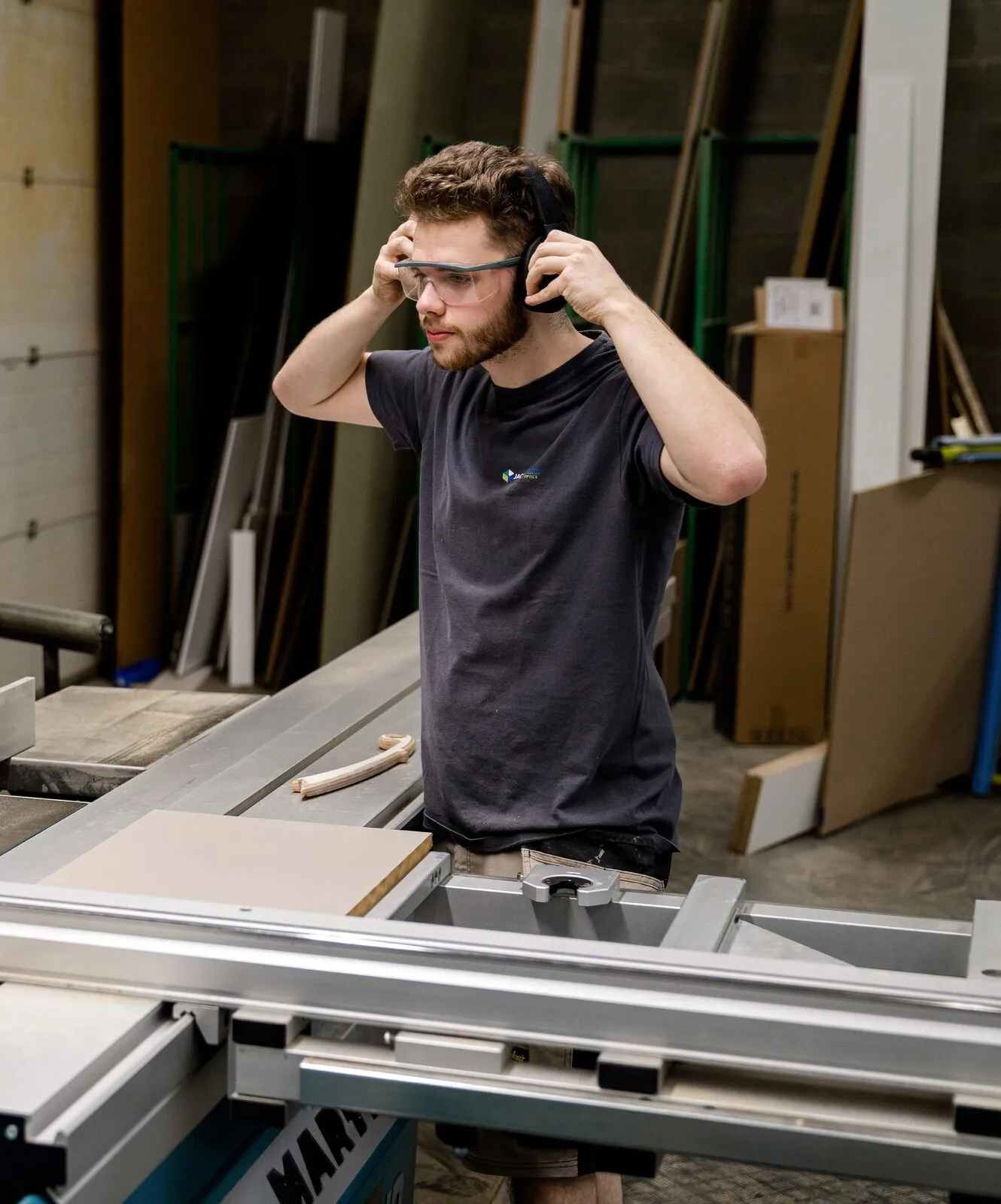
In a physically demanding trade, ergonomics is an obvious priority. An adjustable workbench or lifting aid can help an experienced professional do their job for longer and in good conditions. But sustainable work goes far beyond that.
Machines and robots are taking on an increasing number of tasks. This reduces the physical workload, but it also changes job roles.
“When someone has been doing the same task for years and a machine takes it over, you need to think about what comes next for that employee. Can they learn new skills? Take on more responsibility? Do a wider range of tasks? All these factors also affect their motivation.”
Psychosocial well-being deserves the same attention. With the PrePS in Wood tool, Woodwize helps businesses assess employee well-being and identify potential areas of concern using a short questionnaire.
“For example, a dangerous machine can affect how someone feels at work. All aspects of well-being are interconnected.”
An investment that pays off
For some entrepreneurs, spending time on sustainable work can feel like taking time away from production. Stefan Hinnekens turns that argument on its head.
“When someone is absent for a long time, you notice the vacant position first. But the knock-on effects go much further: you need to find a replacement, train someone, absorb a loss of productivity and manage the extra pressure on colleagues. So it is in our best interests to keep our employees healthy.”
This is particularly true of small businesses, which make up a large part of the wood sector. They rarely have extensive HR or prevention departments. Woodwize therefore aims to offer them readily accessible support, based on knowledge and practical tools.
“All these factors reinforce one another,” concludes Stefan Hinnekens. “Investing in safe and healthy working conditions is an investment in both your employees and your business. Here, one plus one really does make three.”
Free information sessions on sustainable work
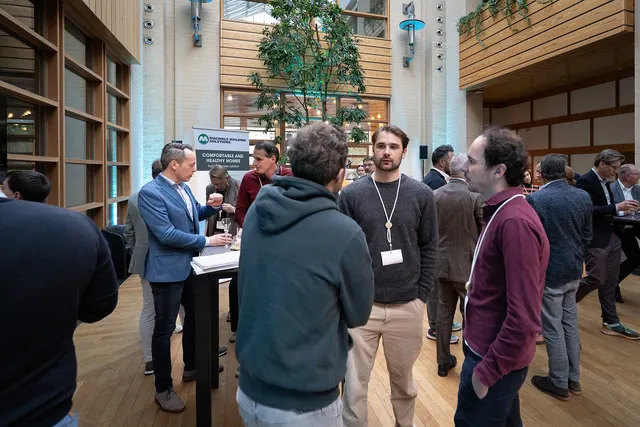
On 23 November in Westerlo and 26 November in Roulers, Woodwize is organising free information sessions on sustainable work.
Business leaders, team managers, HR staff and prevention advisers will discover practical examples and concrete solutions. Themed sessions and round-table discussions will cover topics including the return on investment of a sustainable work policy, psychosocial well-being, ergonomics and new ways of organising work.
Question about this story? Ask your question
Keep following this
Get an email when a new story is published. No account needed.
- ThemeJoinery businesses on the move
- SubjectWoodworking