









Edgebanding: small detail, big impact
Texte Christobal van Leeuwen | Photos Vecteezy
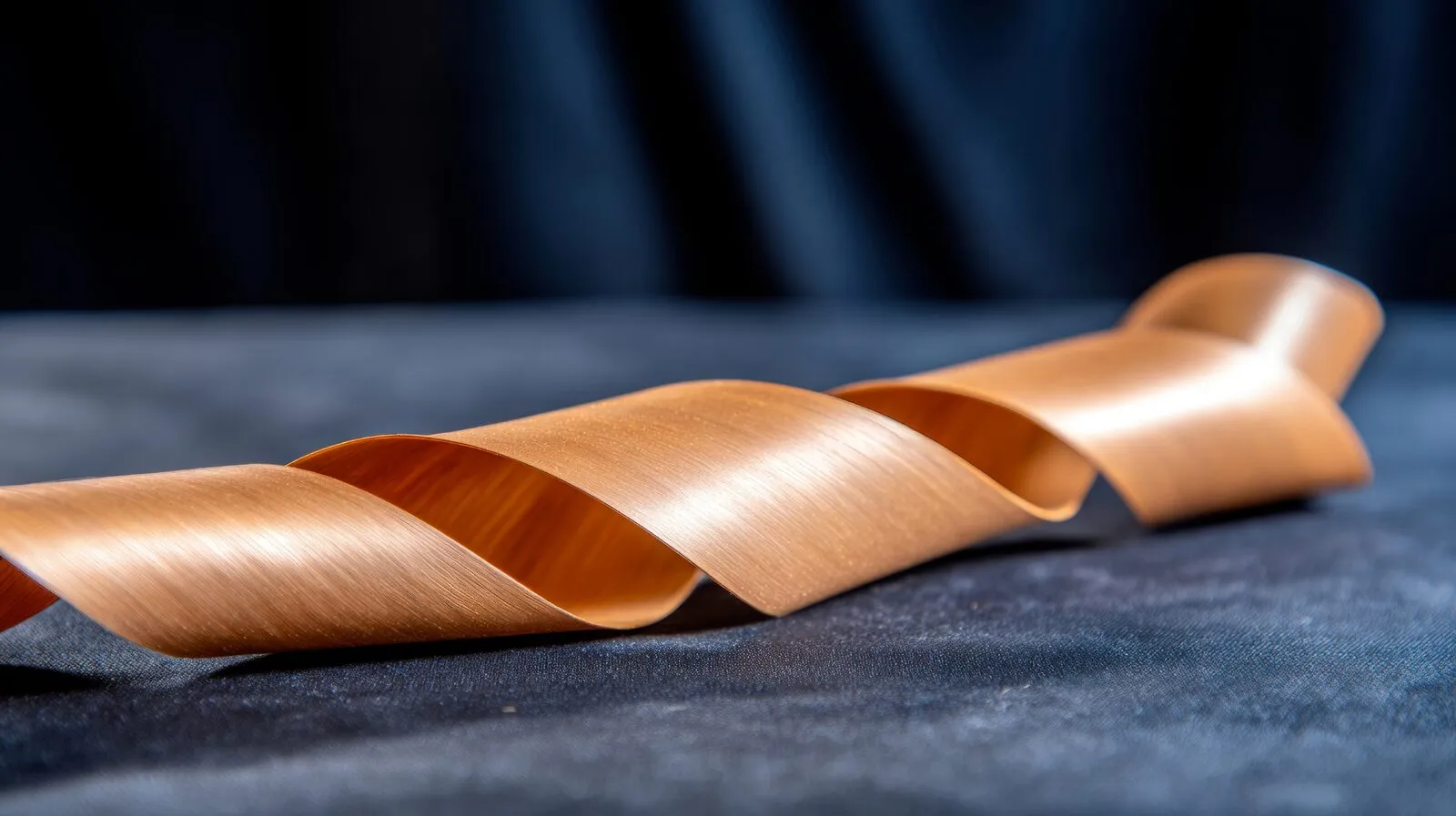
In interior fitting, a great deal of attention is paid to panels, colour finishes and hardware. Yet a much more discreet element also plays a major part in the impression of quality: the finish on the panel edges.
This is where edgebanding comes in. What may seem like a detail at first glance is, in practice, an essential technical and aesthetic link between design, production and use. For furniture exposed to moisture, temperature fluctuations, intensive cleaning and daily use, edge finishing therefore deserves careful attention.
Protection and a design feature in its own right
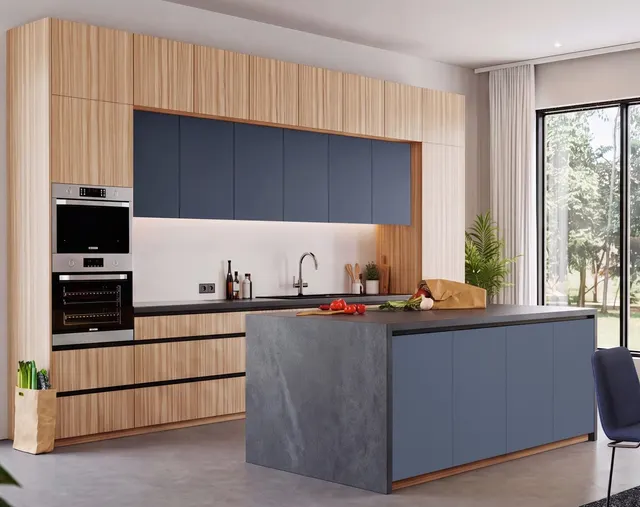
Edgebanding serves a dual purpose. It protects the panel edge against impact and wear from use. But it is also a visible design feature, helping to give furniture a clean, refined or, conversely, more robust appearance.
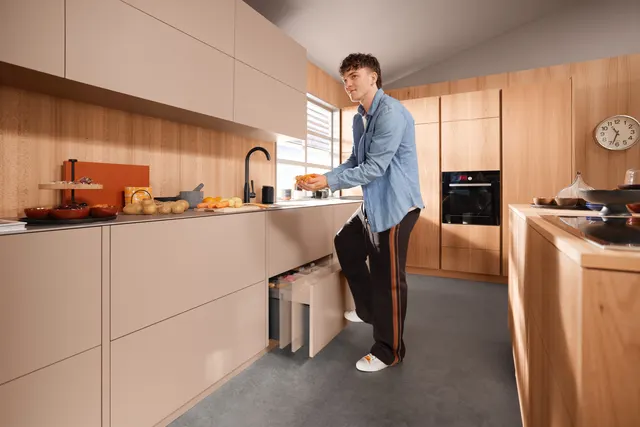
Its role therefore goes far beyond simple protection. In contemporary interiors, super-matt surfaces, woodgrain reproductions, deep textures and high-gloss finishes sit side by side. This calls for precise coordination between the panel, texture, gloss level and edge radius. The edge should not draw attention, unless that is precisely the desired effect.
ABS and alternatives
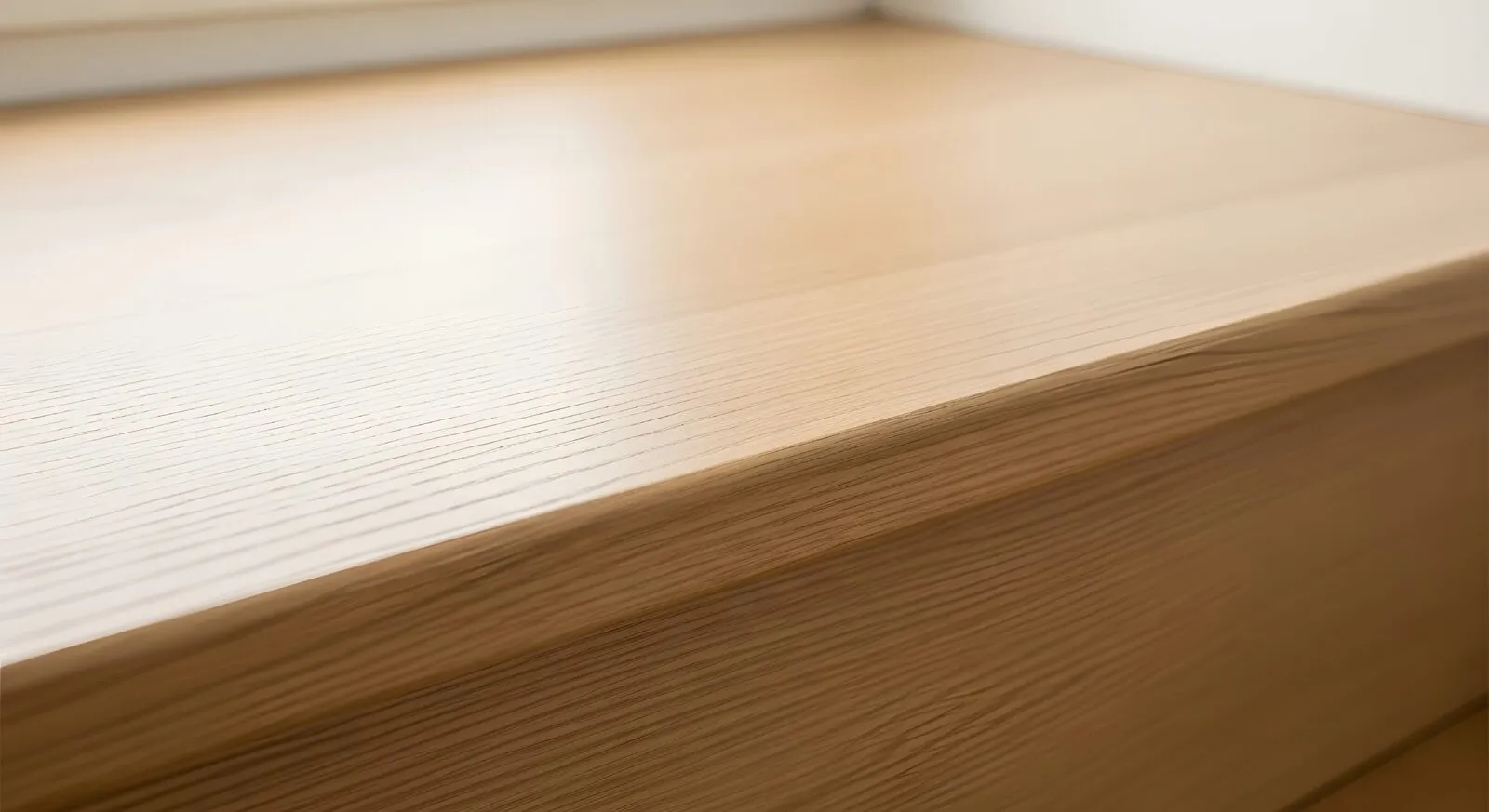
ABS remains one of the best-known and most widely used materials for edgebanding. Its popularity is due to its ease of processing, mechanical and thermal resistance, and the wide range of decors available. It comes in numerous finishes, from super matt to high gloss, as well as in different textures.
PP, acrylic and other variants are also available, depending on the desired appearance and performance. For interior fitters and joiners, choosing edgebanding is therefore increasingly more than a simple decision made before a project is finalised. It is becoming an integral part of the product concept, shaped by the design, intended use and desired market position.
The glue line: a critical link
The bonding process itself has also become more technical. In the past, it was enough for an edge to “stick well”; today, expectations are considerably higher. Resistance to moisture, temperature and cleaning products is becoming increasingly important.
EVA is still widely used in practice. PUR, meanwhile, has become firmly established in applications with more demanding requirements, such as kitchens and bathrooms. However, PUR is not automatically the best choice for every production set-up. Its use calls for greater rigour in process control, maintenance and material handling.
The key question is no longer “which adhesive is best?” but rather “which bonding technology best matches the desired quality level and production process?”
Flexibility and precision on the production line
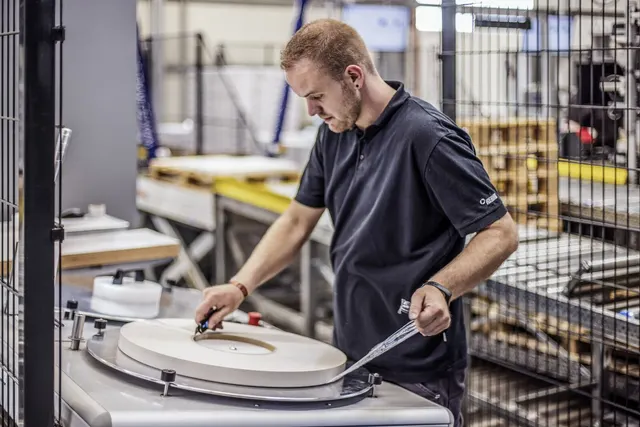
This shift is also reflected in the workshop. On modern edgebanders, speed is no longer the only criterion: flexibility, repeatability and finish quality have become just as important.
Modern machines combine several operations in a single continuous line: pre-milling, glue application, end trimming, profile and corner rounding, scraping and polishing. This allows them to process different materials and small batches efficiently, without compromising on quality.
This is particularly relevant for interior fitters and joiners looking to combine made-to-measure production with consistent quality.
The rise of zero-joint technology
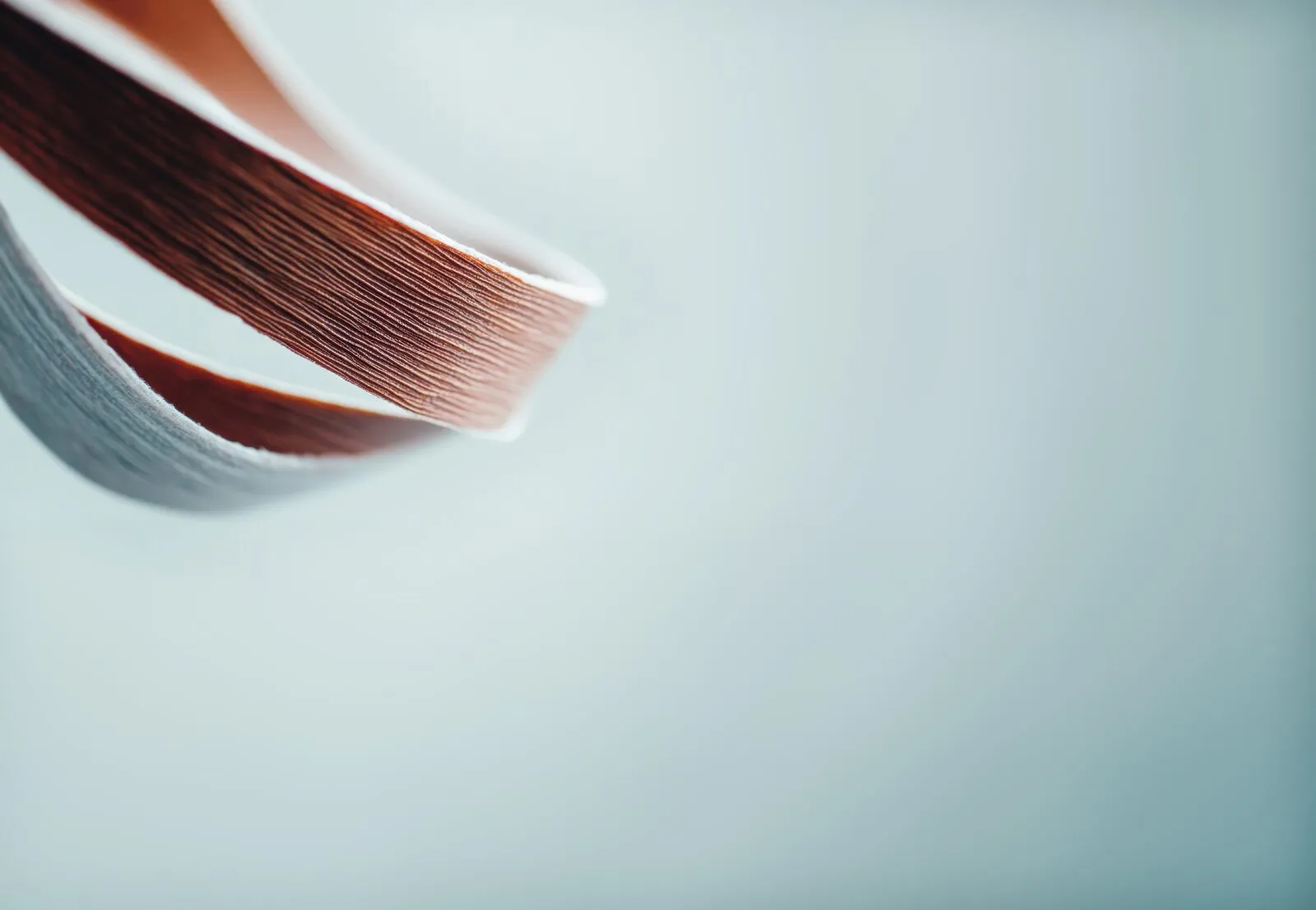
Zero-joint technology is also attracting growing interest. In this process, an activatable functional layer on the edgeband creates the bond, instead of a conventional visible glue line. Three technologies are commonly used: laser, hot air and near-infrared (NIR). The aim is always the same: to create an almost imperceptible transition between the panel and the edge.
For the high-end interior fitting market, this technology offers clear advantages. Clean lines remain uninterrupted, and transitions between materials look more uniform. However, this approach requires investment in machinery, process expertise and the right market positioning. Zero-joint technology is therefore both an aesthetic and a strategic choice.
Sustainability right down to the edge finish
Alongside aesthetics and process quality, sustainability is also becoming more important. This applies both to the choice of materials and to energy consumption on the production line.
For example, lower processing temperatures for certain hot-melt adhesives can reduce the energy needed for melting. This is relevant for businesses, as energy costs, working conditions and environmental impact increasingly influence investment decisions.
So a production step that may seem as limited as edge bonding is directly linked to broader concerns such as efficiency and the long-term viability of the business.
Small in size, big in impact
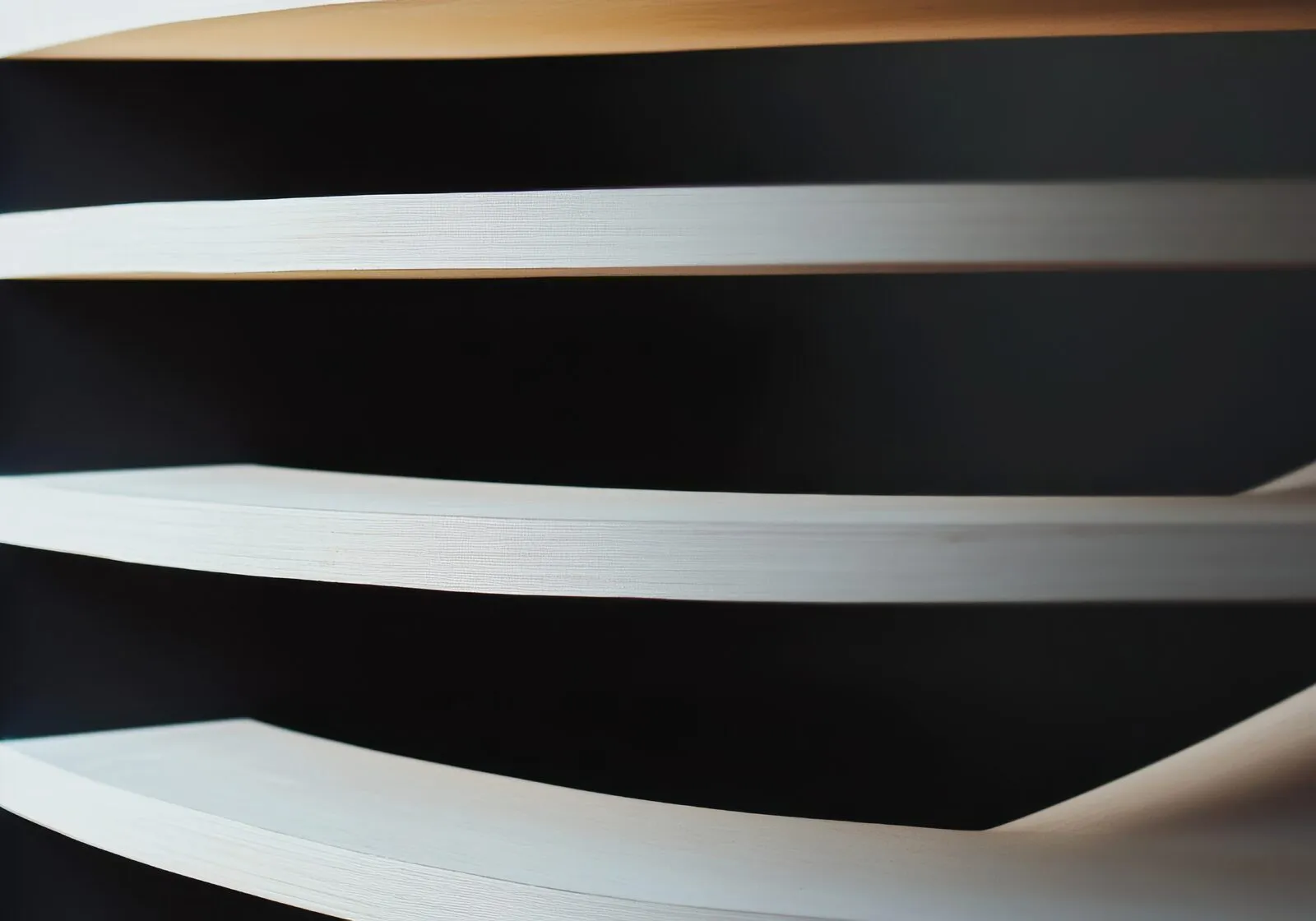
Edgebanding has evolved from a simple finishing detail into a genuine quality factor. It is at the panel edge that decor and protection, machine and material, speed and precision come together.
Today, anyone who manufactures, sells or specifies furniture can hardly limit themselves to asking which edge “more or less matches” the panel. The real question is: which combination of edgeband, bonding technology and machine set-up best supports the desired quality level?
Because it is precisely the edge, that narrow strip, that makes a significant contribution to the perceived quality of a piece of furniture.
PUR or EVA: a nuanced choice
In practice, the choice between EVA and PUR bonding depends largely on the application and production set-up. EVA is highly versatile, easy to process and particularly suitable for standard applications or flexible production.
PUR comes into its own when requirements for resistance to moisture, heat and chemicals are higher, particularly in kitchens and bathrooms.
In the workshop, then, production rarely relies exclusively on one or the other.
Question about this story? Ask your question
Keep following this
Get an email when a new story is published. No account needed.
- ThemeTimber and panels under pressure
- SubjectProducts