








Renovating sustainably, step by step
Texte : Wendy Thijs
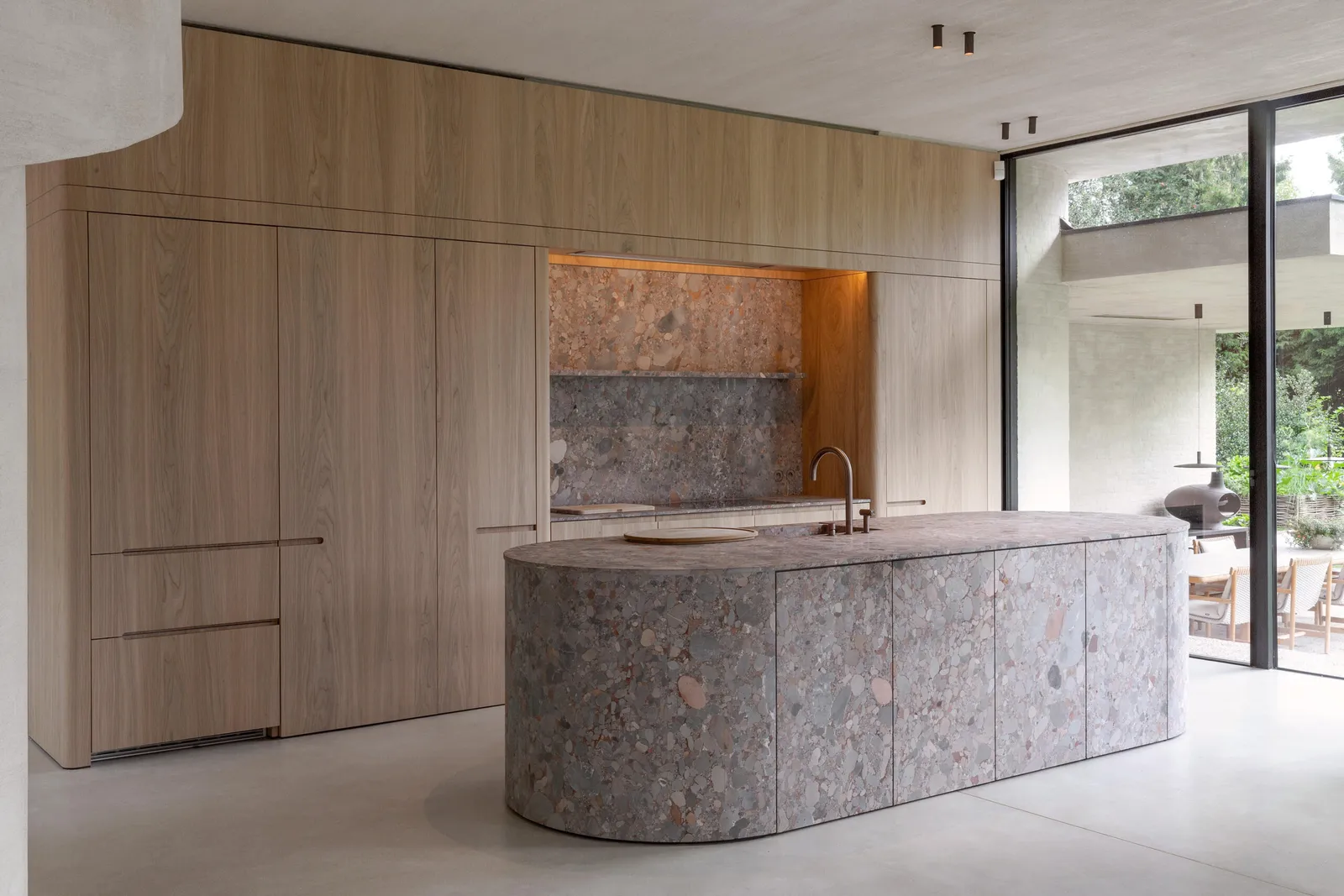
Taking steps towards sustainability is not always straightforward. That is why we want to inspire you by sharing experiences from colleagues in your sector. Luyten Interiolizers has opted for a gradual approach, making sustainable choices without losing sight of the realities of running a manufacturing business.
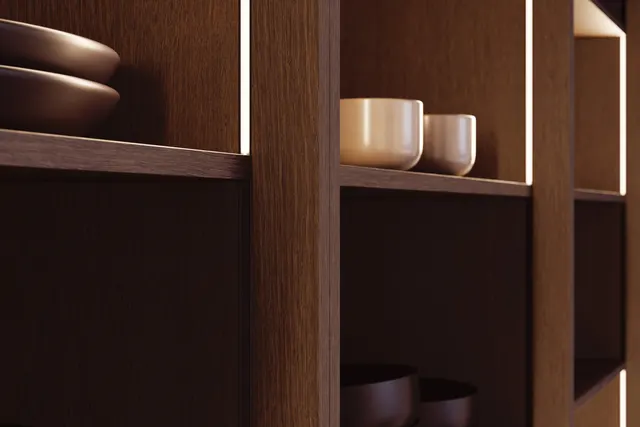
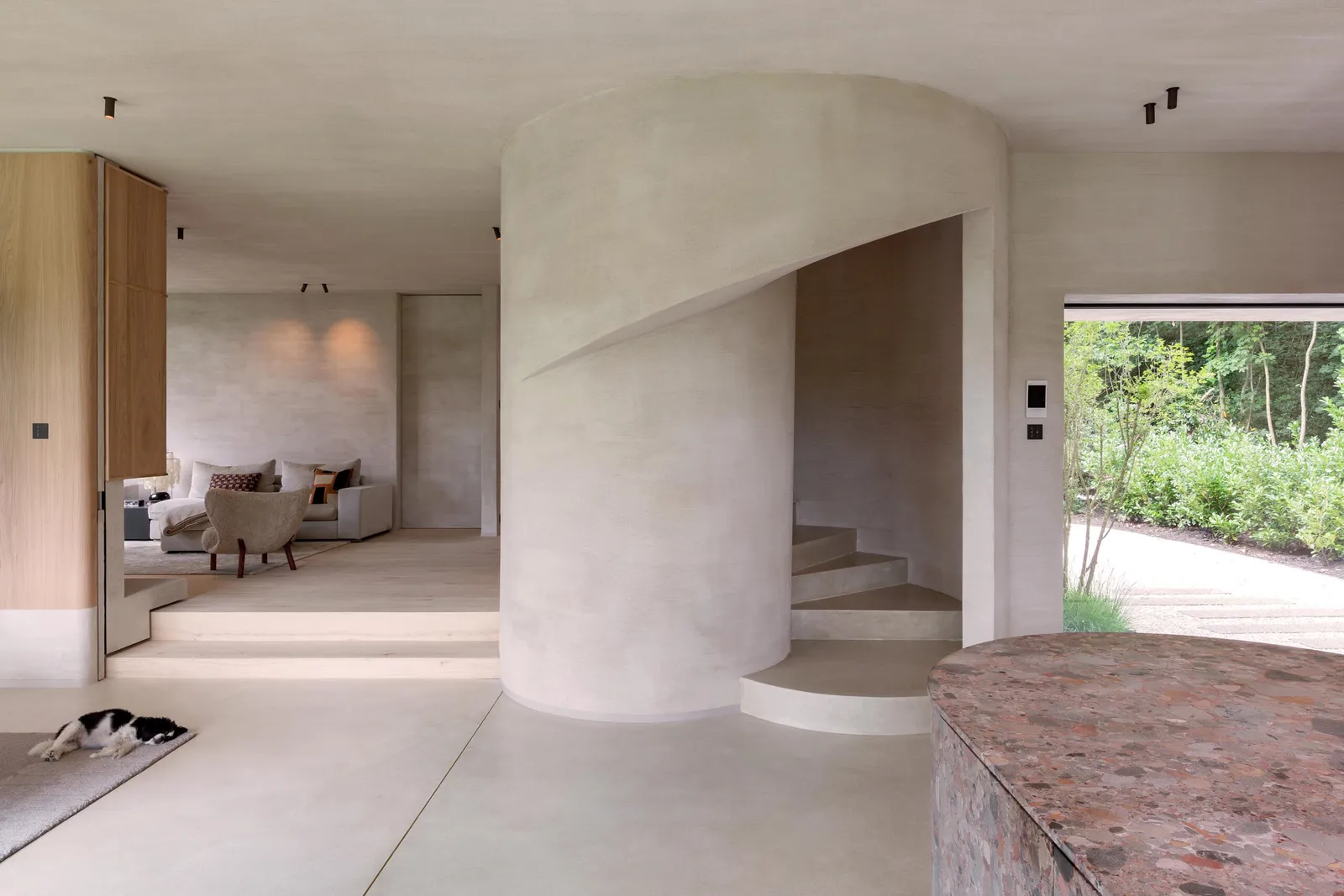
Luyten Interiolizers does not create conventional interiors. The company likes to go a little further, favouring bold designs, exclusive materials and challenging bespoke projects. Furniture is manufactured in-house. Luyten Interiolizers also coordinates complete renovation and construction projects, from demolition to cleaning. Alongside the high-end residential segment, the company serves the retail, office and healthcare sectors. With its own collection of design furniture, exhibited in galleries in Paris, New York and Sydney, among other places, it is also building an international presence.
Same site, new building
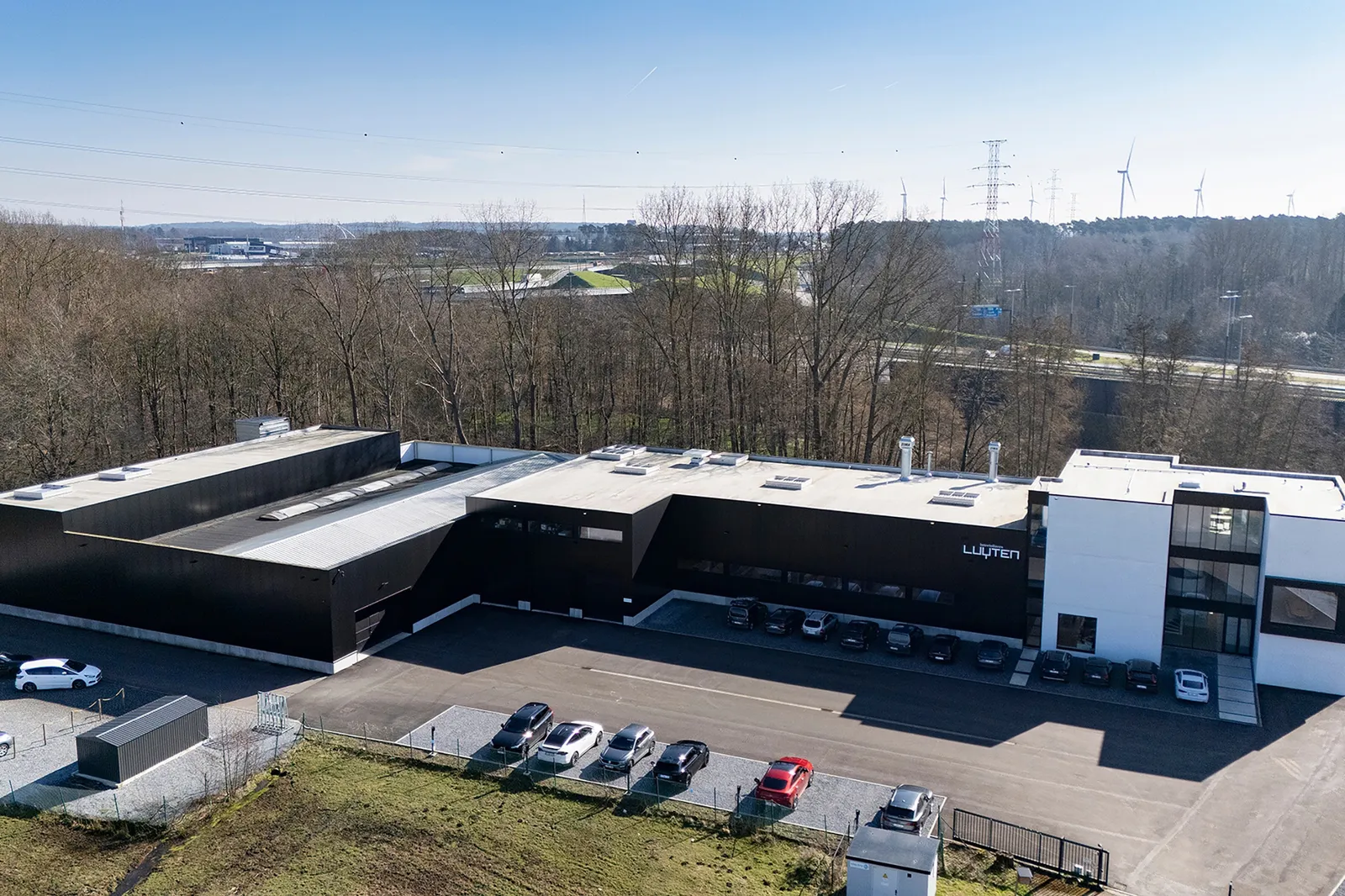
The company was founded in 1969. As is often the case with growing SMEs, its premises were extended over time, until Luyten reached the limit of what was possible in terms of expansion. The time had come to embark on an ambitious project focused on innovation and sustainability.
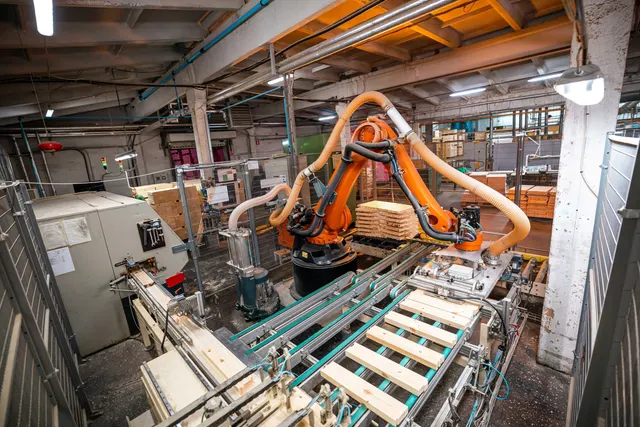
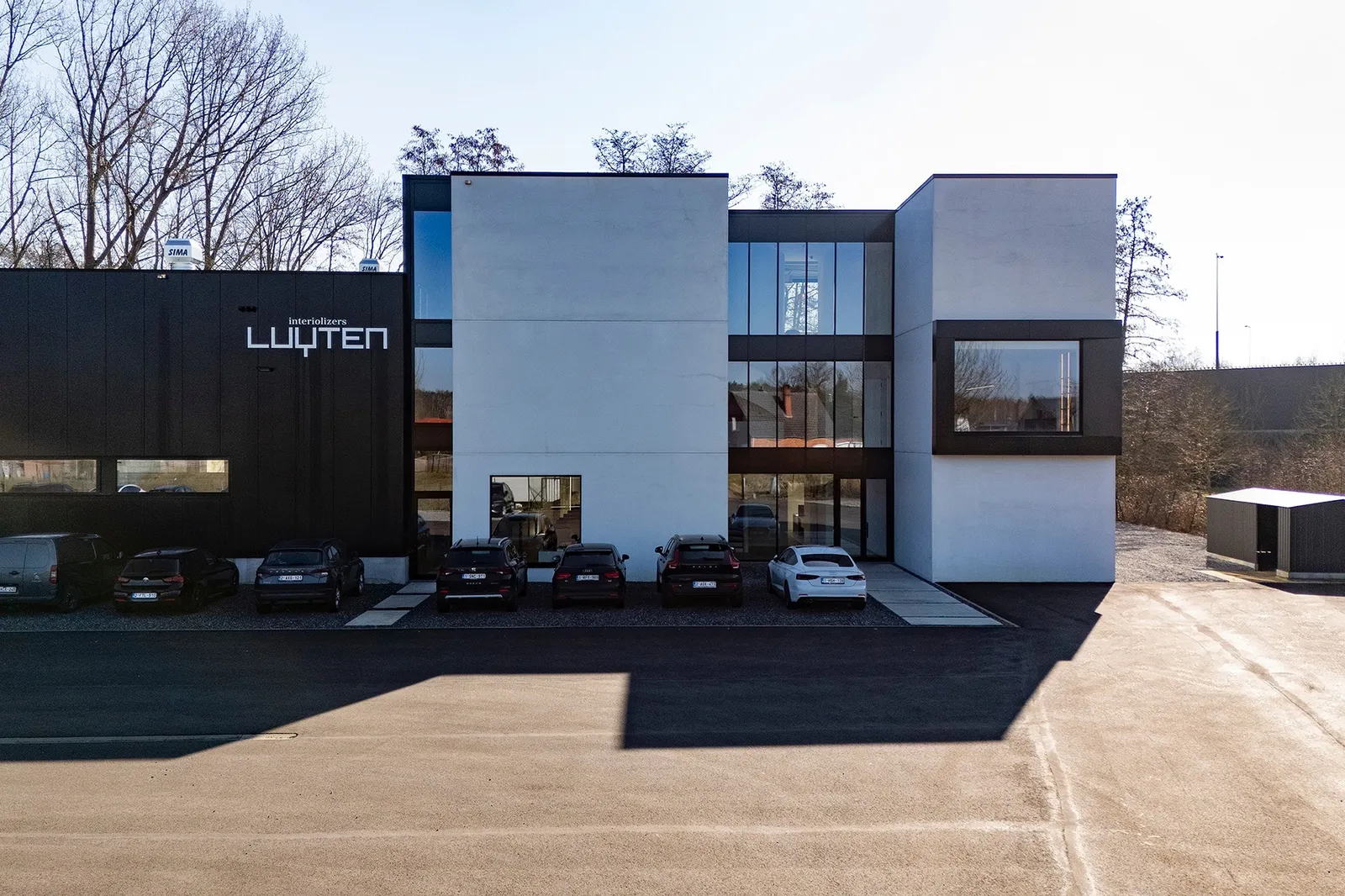
“It all started with the decision to invest in CAD/CAM software and to comprehensively modernise our machinery, in order to make production more efficient and sustainable,” explains company director Bert Luyten. “We also needed more space for this. So we completely renovated the company building. As we couldn’t increase the footprint, we built upwards: the sheet-material store, the metal store and the spray booth were installed on the upper floor. The offices are spread over three floors.”
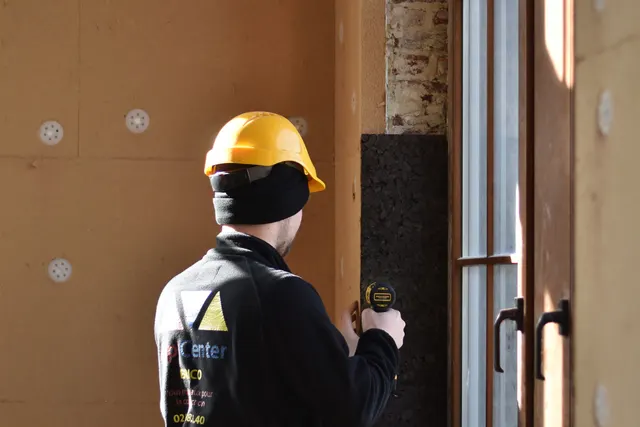
There was no compromise on insulation. “Insulation is the foundation of a sustainable building. Here, it meets the strictest standards. For the technical installations, we opted for a gradual approach: we implemented what is feasible and cost-effective today, while making provision for a switch to more sustainable technologies in the future.”
Energy-efficient choices
Underfloor heating was an obvious choice for Luyten. “It is an energy-efficient solution and perfectly compatible with a heat pump in the future. At present, the system runs partly on residual heat from our compressor. For now, we use gas to meet our additional heating needs, as a heat pump was not yet cost-effective.” We will probably install one later, along with solar panels on the roof of our production space once it has been renovated. The site’s high-voltage cabin is already equipped to allow these technologies to be connected in the future.
Investing wisely in technology
Bert Luyten knows that you can’t do everything at once: “Sustainability is a gradual process. You have to make choices, assess what is financially feasible and get started with the right information.” One carefully considered choice was the installation of an energy-efficient dust extraction system. “We work with four motors that start up in sequence, so the system runs at the power required, but no more. The investment was higher, but if you can afford it, it’s a very smart choice.”
We also invested straight away in a new spray booth. It complies with ATEX regulations and operates without solvents as far as possible, but not entirely, as this technology is still developing.
“In some cases, water-based products still don’t achieve the desired quality,” Bert Luyten explains. The installation can also be connected to a heat pump in the future.
Digitalisation and materials management
The CAD/CAM system at the heart of the project was introduced to work more efficiently and save money by making better use of sheet materials. “The system generates optimal cutting patterns to minimise waste when we cut the panels. Offcuts are returned to the sheet-material store and automatically reused where possible,” Bert Luyten continues.
Sustainability and cost savings go hand in hand, as our wood-waste container now takes longer to fill. Waste management is another environmental issue that matters greatly to Luyten, although it is nothing new. What is new, however, is that clients are setting high standards for waste processing. “For a project for Chanel, we literally had to document our on-site waste-sorting procedure and record how many kilos were sent to each processor,” Bert Luyten says, by way of example.
A vision, but no label (yet)
Some clients already ask whether the company can present a label, but for now such requests remain fairly unusual. “Some ask for VCA certification, others for an ISO 45001 or ISO 14001 certificate. We haven’t yet decided which label is best suited to our situation. These certifications are also aimed more at multinationals. For SMEs, finding the time and resources to obtain them and embed them in the organisation is no easy task.”
Good advice for all professionals: get informed
Running a sustainable business means having the courage to make choices. “We are a manufacturing business. Margins are tight and costs are high, so you can’t do everything at once. Start with obvious choices, such as LED lighting, and move on to bigger investments when you can afford them,” Bert Luyten suggests. Having your own vision is essential. “Ask for advice, but decide for yourself what is feasible and sensible for your business. There are many possible options, but ultimately you have to determine which investment will help you move forward.”
One final tip: if, like Luyten, you have a high-voltage cabin, check your contracted capacity. “These cabins can often supply considerably more power than you currently need. If you register the full capacity, you end up paying unnecessarily high amounts through the capacity tariff. It is better to declare only what you actually use. That way, you can avoid unnecessary costs.”
Question about this story? Ask your question
Keep following this
Get an email when a new story is published. No account needed.
- ThemeFinishes that make a difference
- SubjectJoinery