










Towards standardising the quality of reclaimed structural timber
Texte : Marlies Decavel Photos : WOOD.BE
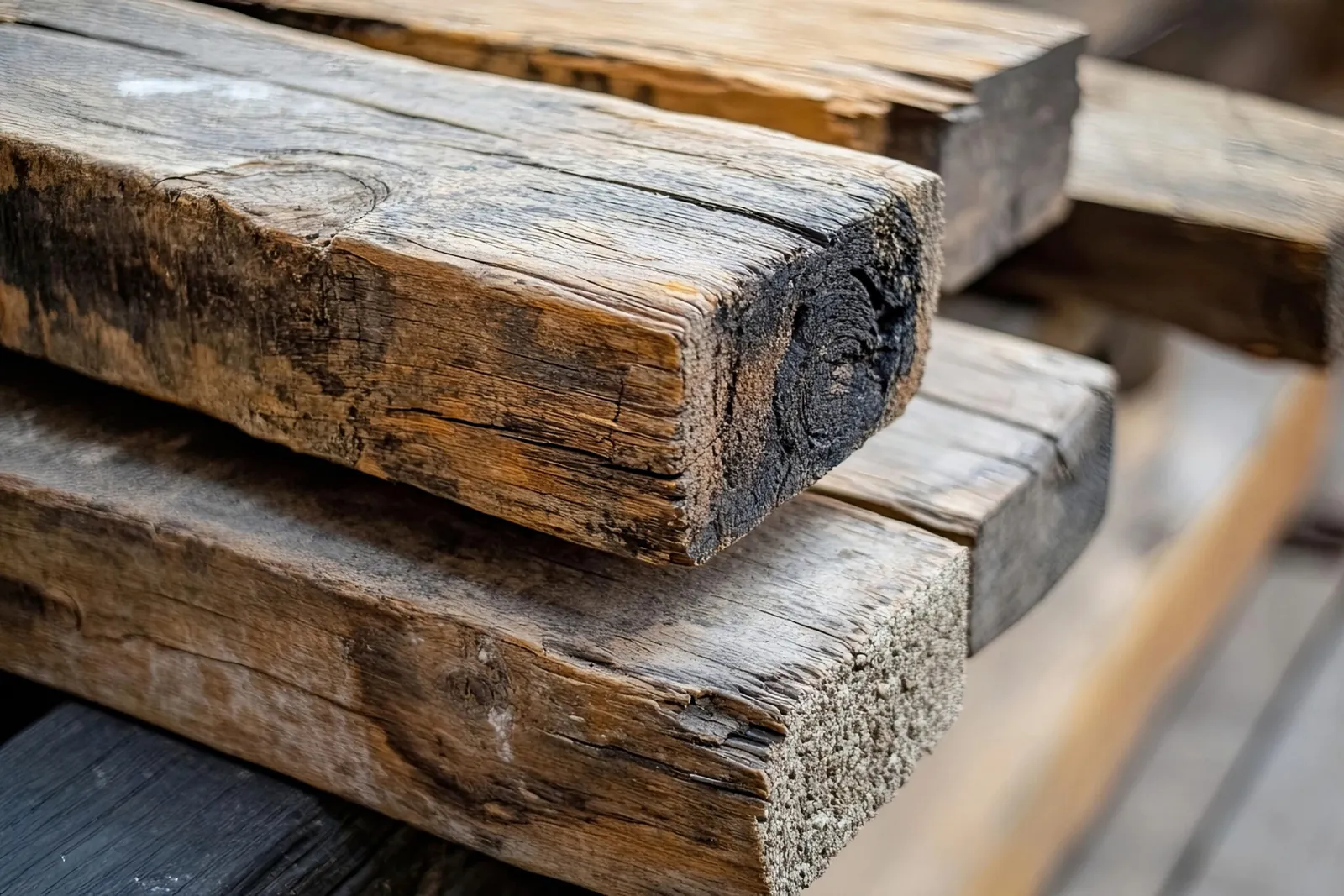
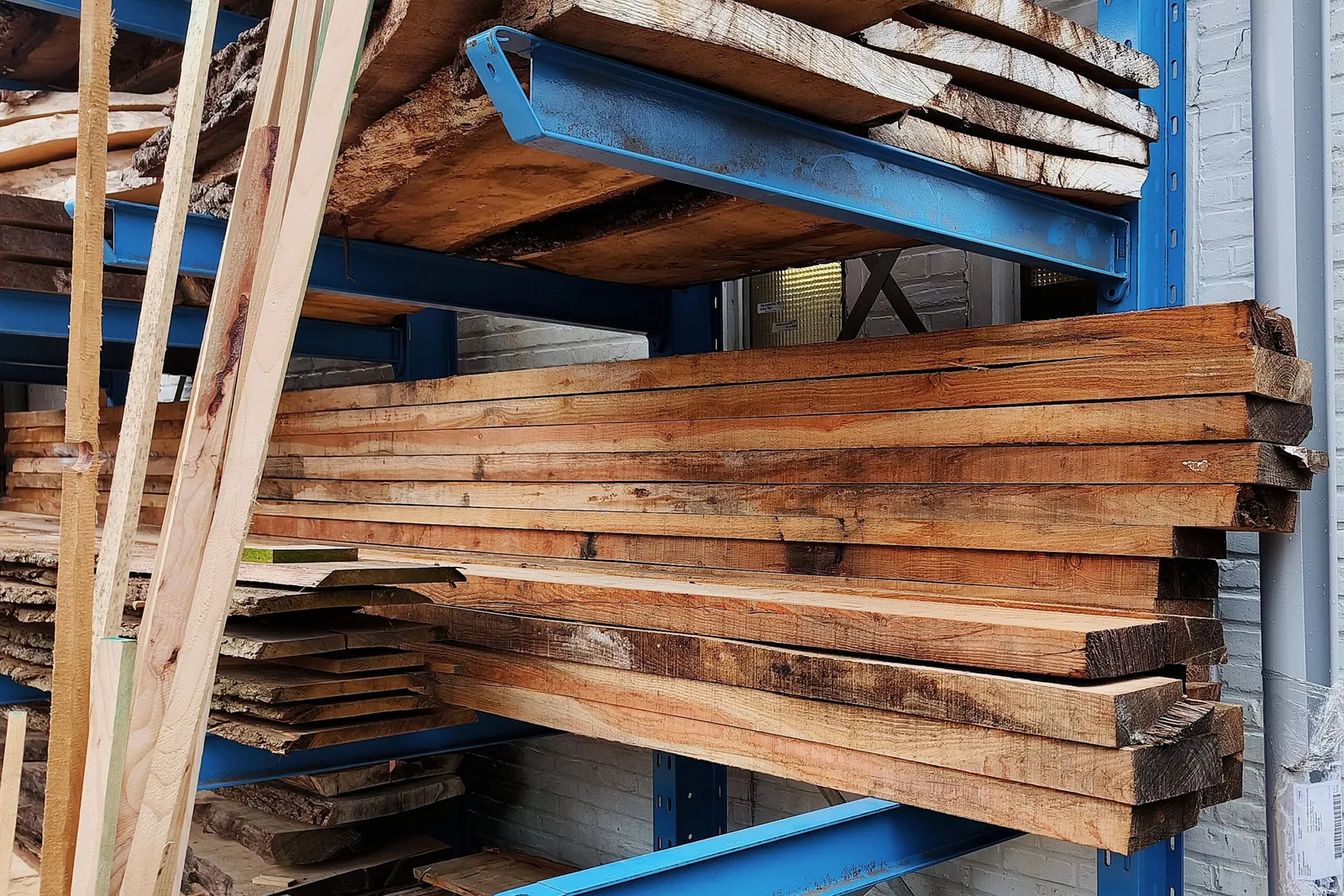
Demand for circular construction materials continues to grow, but reclaimed timber is still underused in structural applications. Why? There is no guarantee of its quality and strength. Research centre WOOD.BE aims to change this by developing a standardised method for objectively assessing the value and strength of reclaimed timber.
WOOD.BE, Belgium’s independent research centre for the wood and furniture industry, supports businesses through scientific research, technological innovation and quality control. From the sustainable use of materials to advanced production techniques, WOOD.BE helps the sector remain competitive and future-focused. By working closely with businesses, research institutes and public authorities, the centre plays a key role in the transition towards more sustainable and innovative use of wood.
WOOD.BE is now putting its expertise in standardisation, certification and product development to work on a new project: Reclaimed Timber. Sustainable construction requires alternative sources of wood, but in practice, sales of reclaimed structural timber remain limited. With support from the FPS Economy and NBN, WOOD.BE aims to change this by objectively determining and standardising the strength of reclaimed timber. “Material banks have some beautiful timber beams, but they struggle to sell them as structural timber,” explains Imke De Windt, Reclaimed Timber project coordinator at WOOD.BE. “Contractors and architects don’t dare use them because there are no guarantees about their quality. How strong is the timber? Can it be used as a load-bearing element? This uncertainty is holding back the market.”
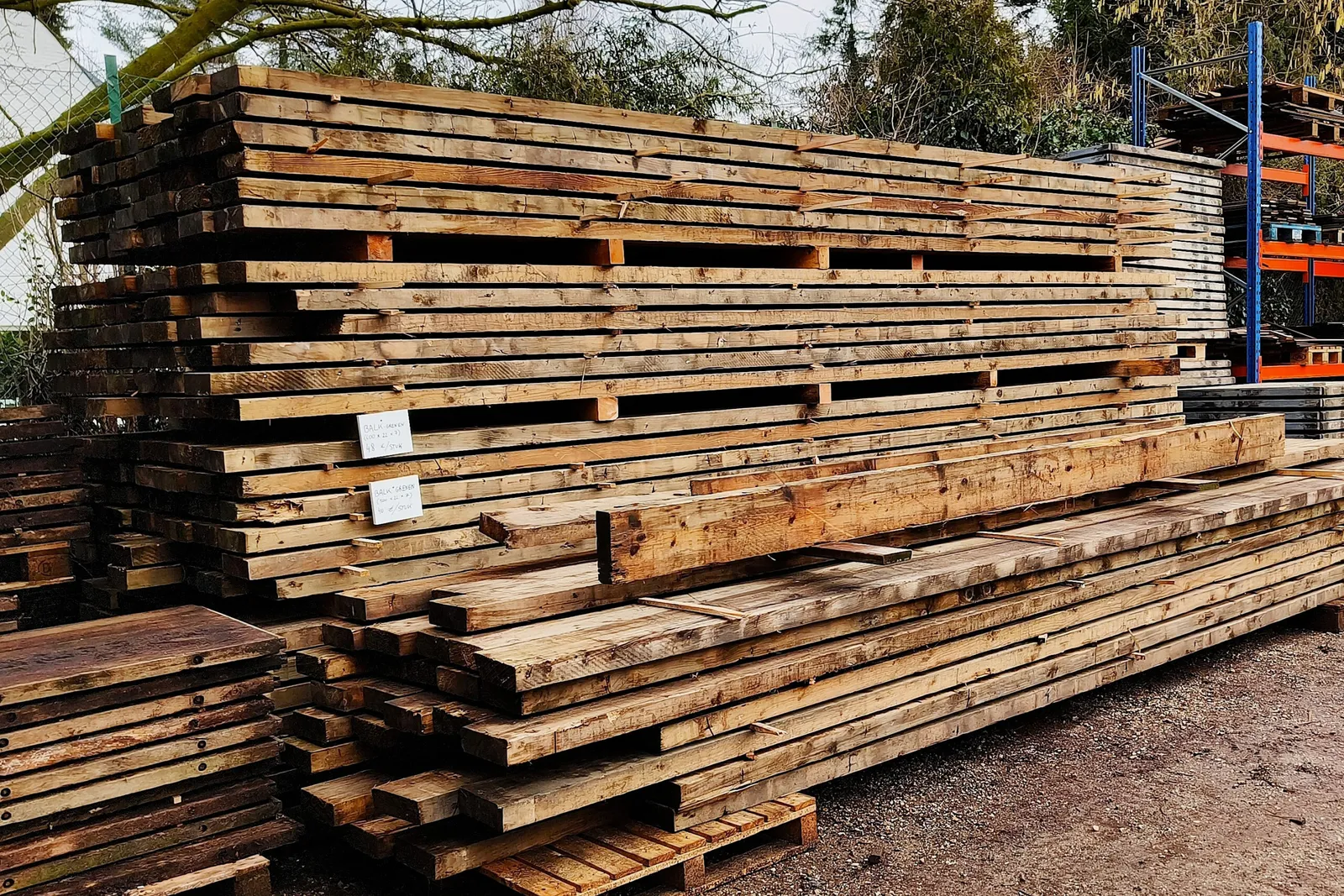
A systematic approach to timber certification
The idea of reusing structural timber is not new, but it faces several obstacles. Architects, who are subject to ten-year liability, prefer to avoid risks. Contractors, meanwhile, need assurance that the timber meets current standards. Until now, this issue has often been sidestepped by oversizing structures, in other words, using more timber than necessary. But this solution is far from sustainable.
To reverse this trend, WOOD.BE has launched a project to develop a standardised assessment method for reclaimed timber. “The aim is to establish a grading system that assigns reclaimed timber a recognised strength class, comparable to those for new timber, such as C18 or C24,” explains Imke.
“We start with a visual inspection of the timber, as in standard inspections. We then analyse other factors: has the timber suffered moisture damage? What types of mechanical deterioration are visible? Has it been treated with chemicals? This information is crucial.”
More advanced tests follow. Resonance analysis, which involves generating vibrations in the timber, provides an indication of its strength. Destructive tests are then carried out, with beams deliberately broken in a controlled manner. “This allows us to check whether the resonance analysis corresponds to the timber’s actual strength and whether we can use it as a basis for assigning a reliable strength class.”
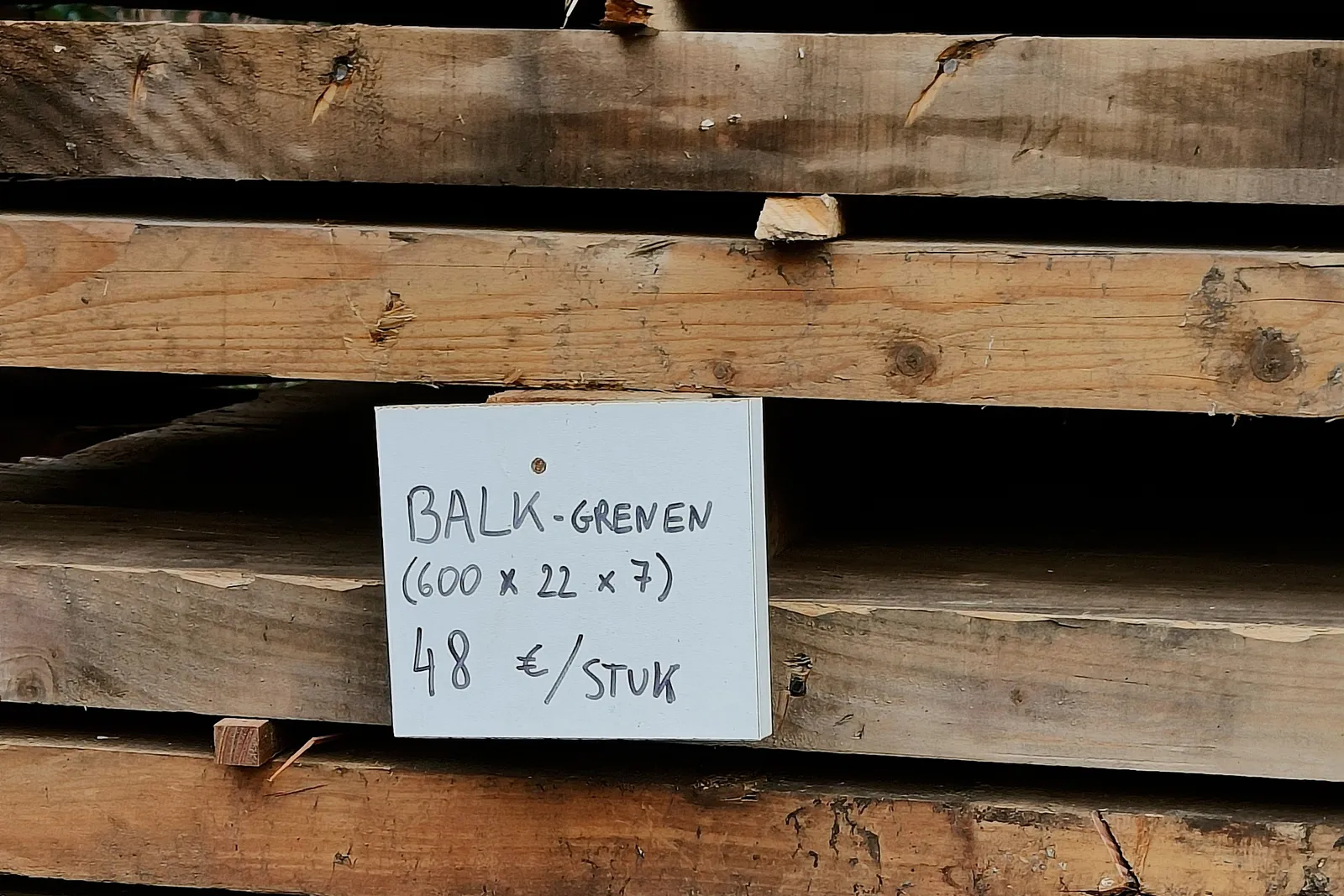
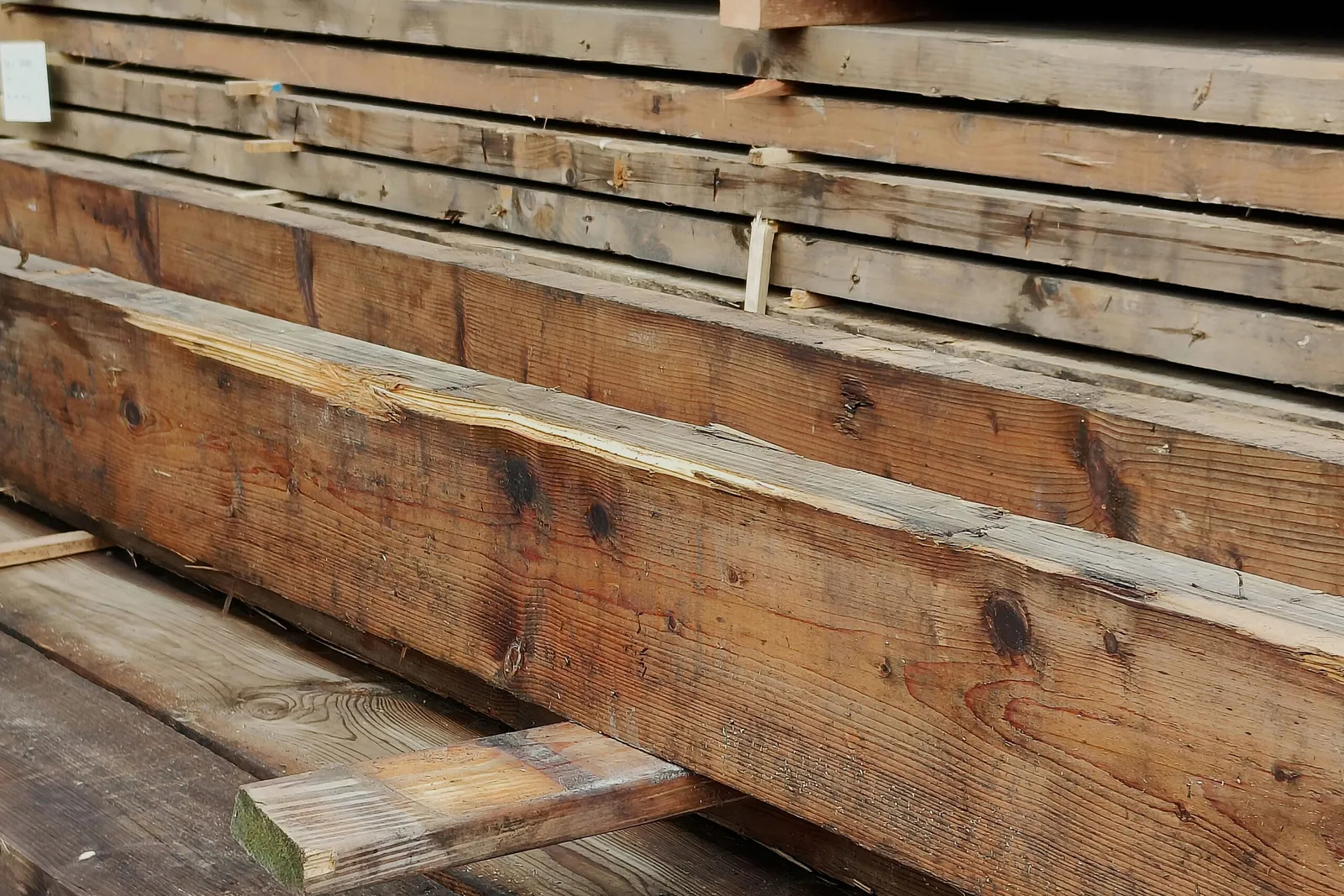
Broad collaboration with the sector
The Reclaimed Timber project is not being carried out in isolation: WOOD.BE is working with many stakeholders across the sector. The project group includes material banks, architects and contractors, as well as demolition companies and construction federations. “We want the entire supply chain to embrace the testing method so that it is actually put into practice,” says Imke. “Our research has an impact on the entire construction process, from demolition to reuse. For example, Buildwise is focusing on higher-quality demolition techniques to make timber easier to recover for reuse. Our work, meanwhile, starts as soon as the timber arrives at material banks. With a consistent assessment, they can sort reclaimed timber in the best possible way. This certification gives designers and processors assurance about the quality and strength class of the timber. It’s a win-win for everyone.”
From testing to practical application
The project runs for two years and began in December 2024. The results are expected to be available by the end of 2026. The ultimate aim? A standardised method that allows material banks and contractors to assess the quality of reclaimed timber themselves. “To bring the project to a close, we’d like to organise a major practical workshop,” says Imke. “We’ll test different types of beams together so that everyone can become familiar with the assessment method.”
In the longer term, WOOD.BE aims to establish this expertise as an institutional resource. In the coming years, the research centre plans to organise training courses and consultation sessions for professionals. “We want to become a point of reference for all new players in the sector, as we already are for new timber. This project is a major first step in that direction.”
Question about this story? Ask your question
Keep following this
Get an email when a new story is published. No account needed.
- ThemeBuilding with less waste
- SubjectWoodworking