









Woodworking machinery: from major investment to genuine growth driver
Texte Christobal van Leeuwen | Photos Adobe Stock
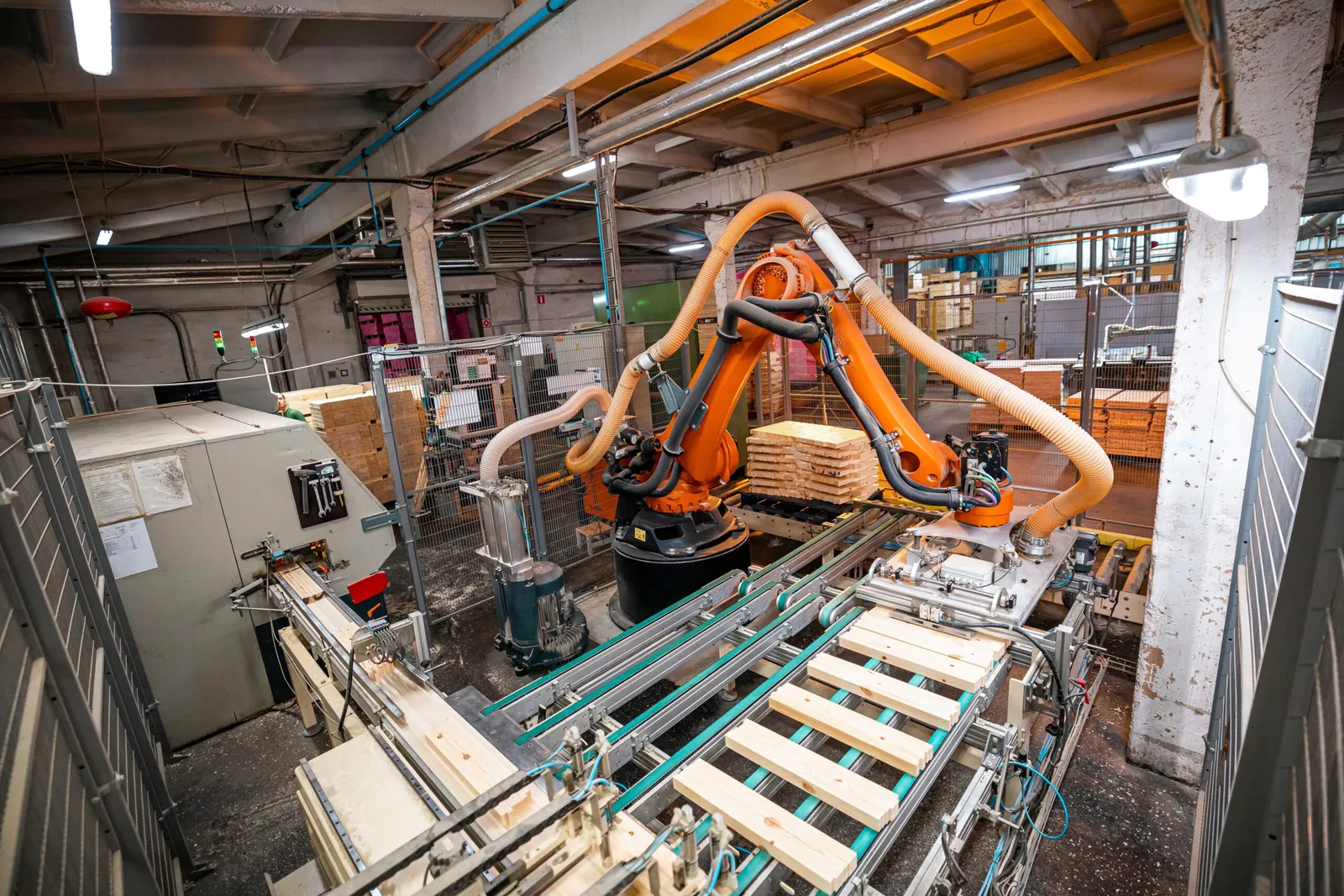
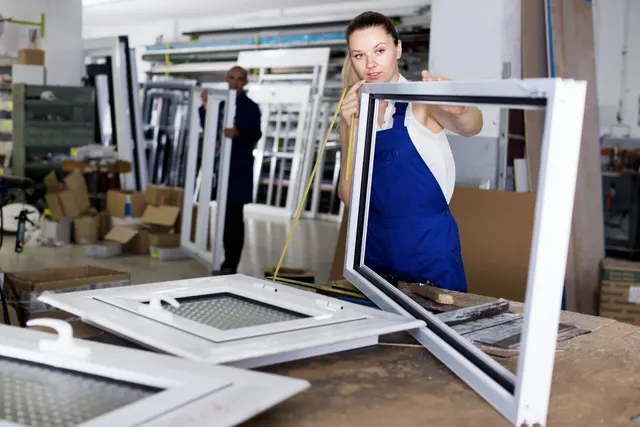
Today, stepping into a modern interiors workshop means seeing more than just saw blades, cutters and extraction systems. The real transformation runs deeper: it lies in software, data, automation and the way machinery contributes to flexibility, speed and profitability. Woodworking machinery is no longer simply a set of production tools, but a strategic link in the interiors contractor’s business model. This is where the market is undergoing its major transformation.
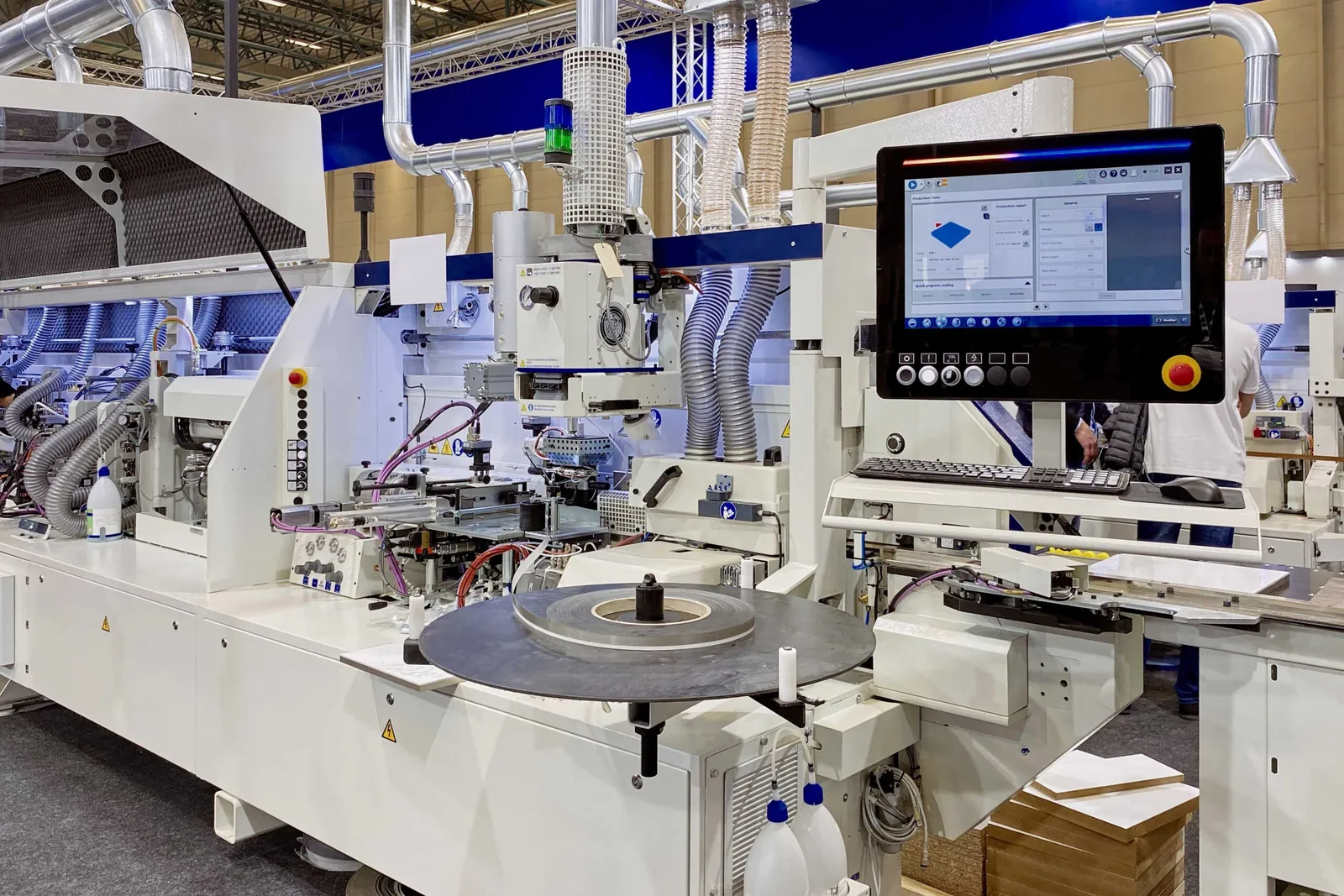
The traditional approach was simple: above all, a machine had to be precise, robust and reliable. Those fundamentals remain essential, of course, but the market now demands more. Developments seen around LIGNA 2025 point to a clear shift towards intelligent production systems, greater automation and close integration between the machinery fleet, order flow and work preparation. The value of a CNC machine tool, an edgebander or a panel saw therefore no longer lies solely in the hardware, but increasingly in its ability to fit quickly and accurately into a digital process.
Flexibility takes priority over sheer capacity
For interiors contractors, this shift is very real. Projects are becoming smaller, more specialised and increasingly bespoke. Pressure on lead times is mounting, while the shortage of skilled labour persists. In this context, hourly output is no longer the only consideration: setup time, ease of programming and predictability matter more than ever.
In their latest innovations, manufacturers such as HOMAG and WEINIG are therefore focusing on interconnected machines, intelligent material management, advanced software support and solutions suited to both series production and batch size one.
This shift is particularly relevant to regional businesses seeking to balance craftsmanship with growth. A faster machine that is difficult to programme or poorly integrated with existing workflows quickly loses its appeal. The winning solution is one that makes technology accessible on the shop floor.
Automation as a response to labour shortages
Another major trend is that automation is no longer the preserve of large industrial groups. It is now directly tied to the challenges of labour shortages, reducing errors and maintaining production continuity. Robotics, automated loading, intelligent stock management and predictive maintenance are becoming accessible to medium-sized businesses too.
At LIGNA 2025, for example, HOMAG demonstrated how machine learning can optimise stock management and predictive maintenance. VDMA also identified automation as a major strategic priority for the sector.
In this context, people’s roles are changing, but not disappearing. Skilled professionals are moving from hands-on execution to overseeing processes, programming and safeguarding quality. In interior fit-out, where bespoke work and finish quality are essential, this human-machine partnership remains crucial.
Measurable sustainability on the shop floor
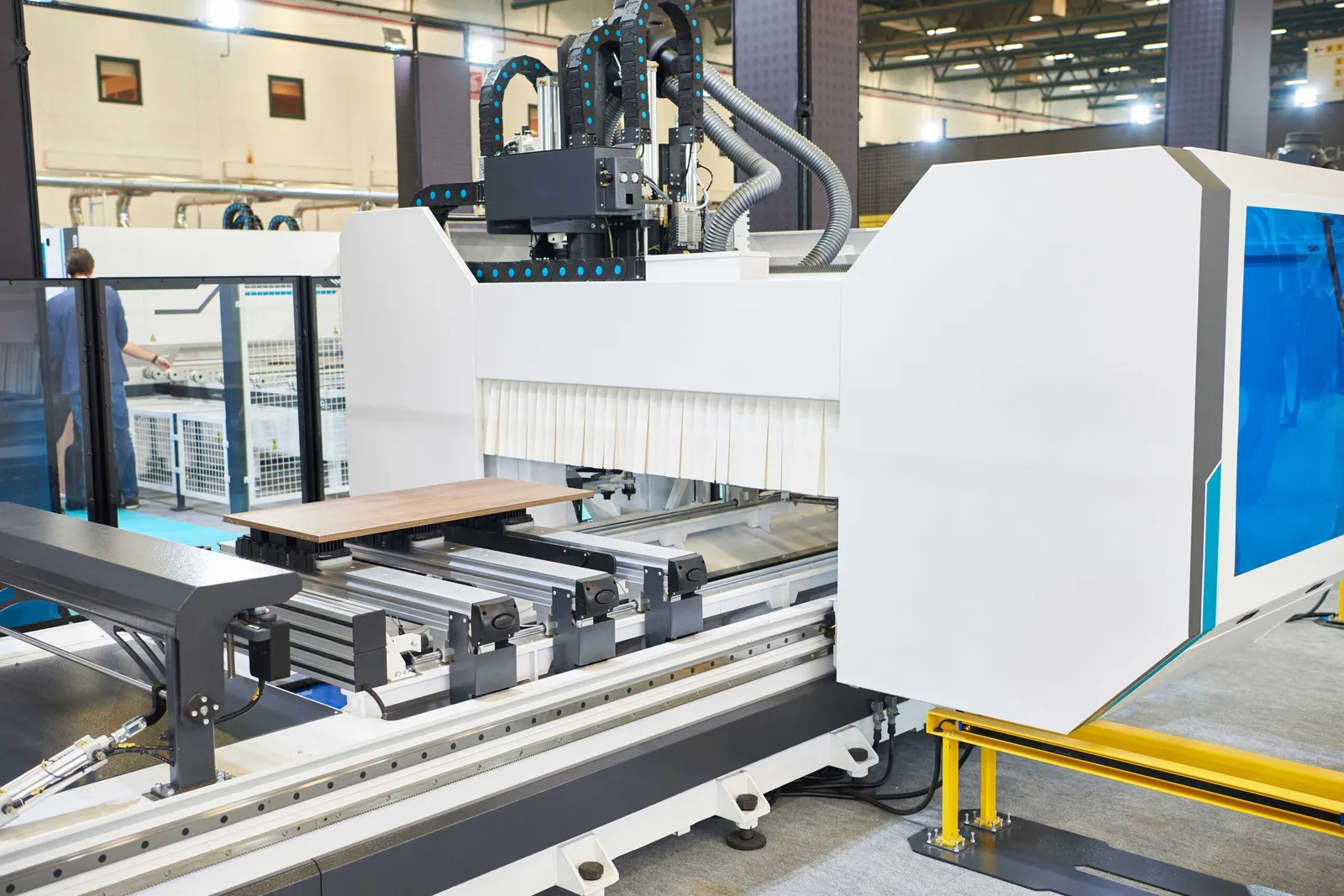
Sustainability, too, is becoming more tangible. It is no longer limited to the choice of materials, but is reflected in machine performance: less waste, optimised nesting, controlled energy consumption and better use of raw materials.
Recent analyses indicate that the global woodworking machinery market will continue to grow in the years ahead, driven by demand for more efficient, precise and sustainable production systems. The market was estimated at around 5.25 billion dollars in 2025, with growth to 6.52 billion dollars expected by 2030.
For interiors contractors, investments are increasingly assessed on the basis of total cost of ownership: how much can material waste be reduced? How much labour can be saved? How much more reliable can delivery times become?
Look ahead: choose better, rather than simply invest more
The conclusion is clear: the future of woodworking machinery is not just about more technology, but about making better use of it. For interiors businesses, investment decisions are becoming more strategic: which machine will meet not only today’s needs, but also the requirements of the business as it aims to operate three to five years from now?
Investing today no longer means buying a standalone machine, but committing to a smarter production process. And that is precisely where tomorrow’s competitive advantage lies: not in having the biggest machine in the workshop, but in having the best-connected system.
Question about this story? Ask your question
Keep following this
Get an email when a new story is published. No account needed.
- ThemeFit-outs for changing needs
- SubjectJoinery