










“Investing in students means investing in the future of the sector”
Texte Wendy Thijs | Photos Lamello
Lamello brings people together. Its innovative joining technologies are used primarily to connect furniture components, but the company also wants to bridge the gap between education and the world of work. It does so through free, practical training that introduces students to modern wood-joining techniques.
Investing in tomorrow’s carpenters: that is the mission Lamello has set itself. “Through our training, we want to bring the realities of the workplace straight into the classroom,” explains Marc Demares, CEO of Lamello Belgium. “The courses closely match the skills students will need later on.”
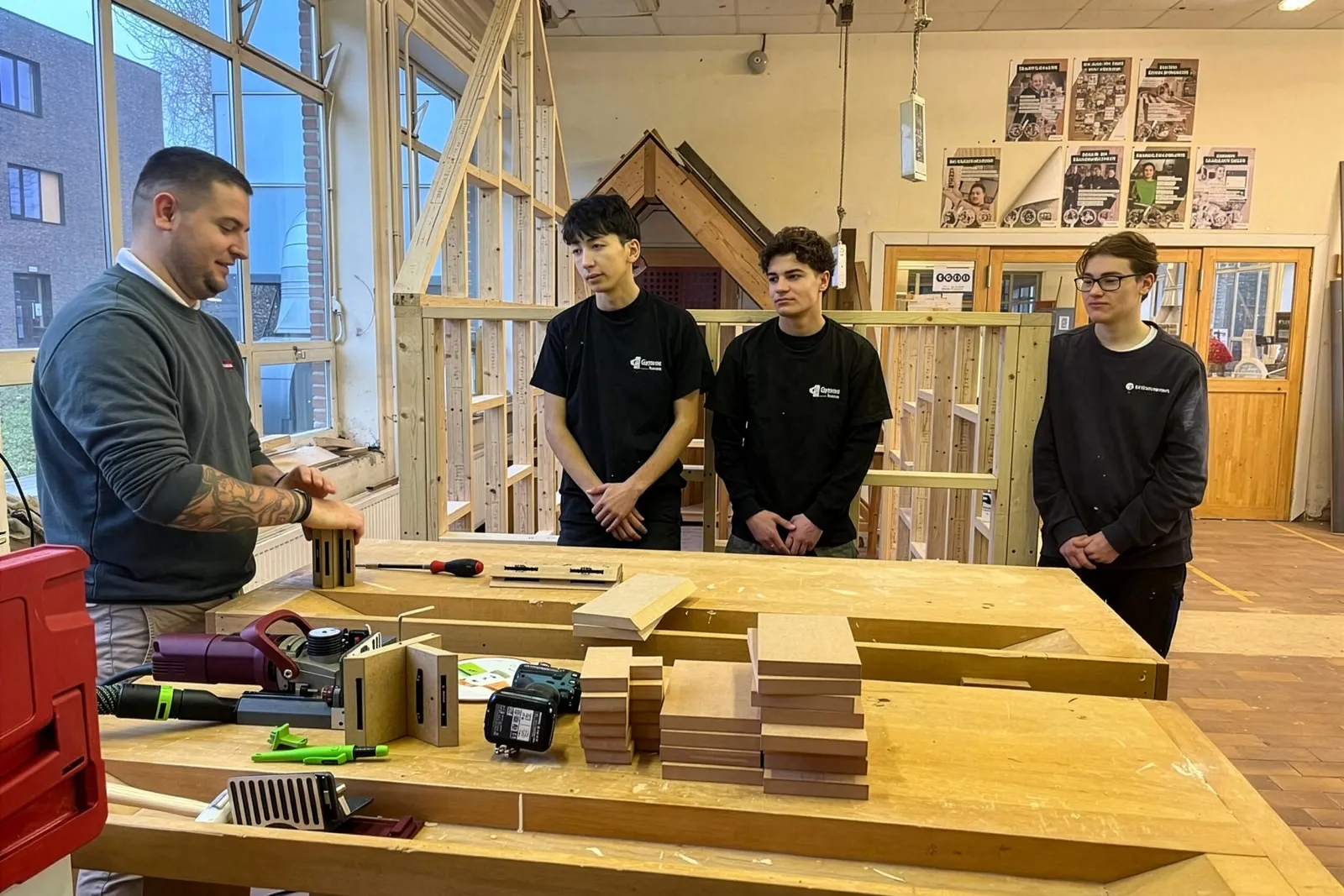
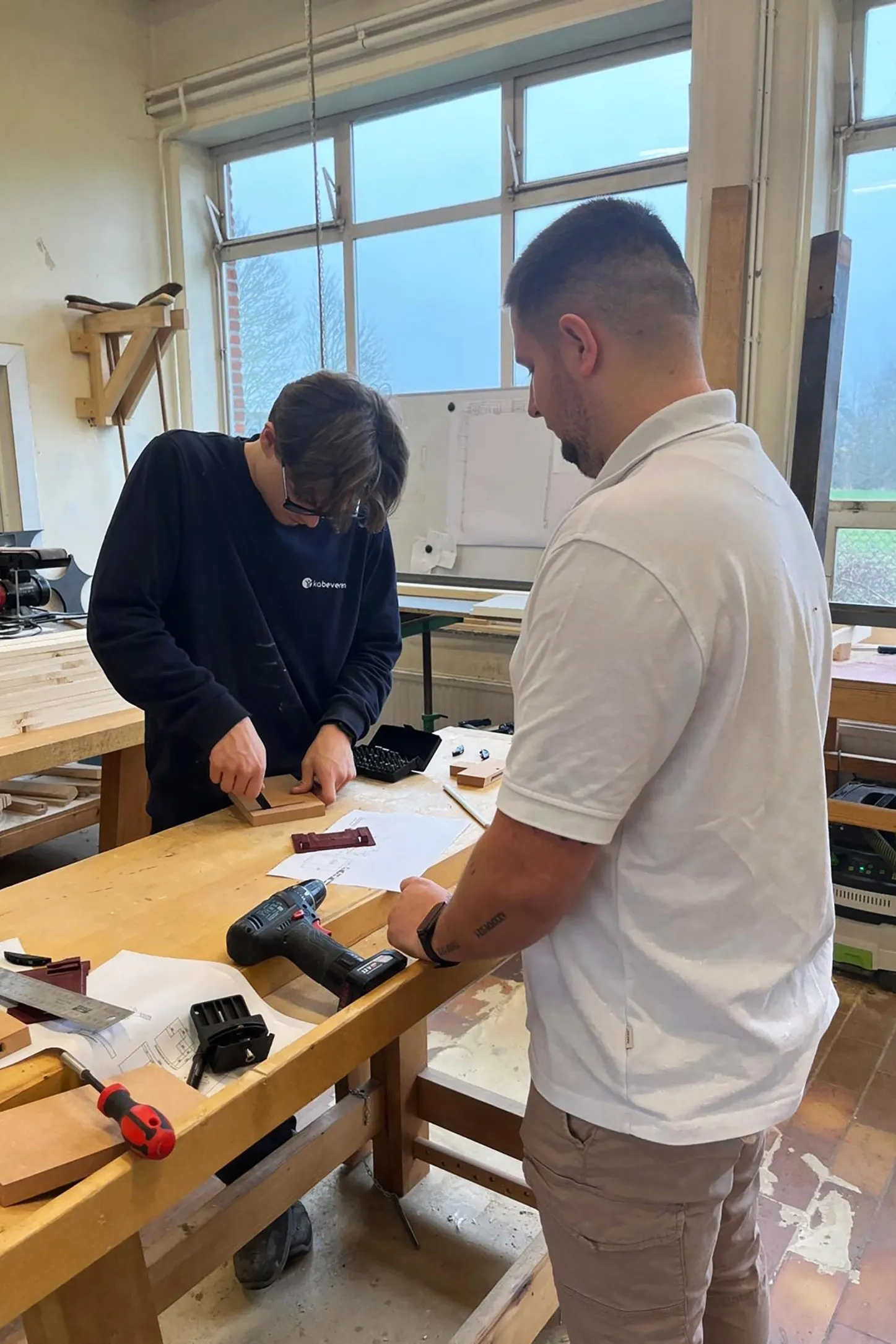
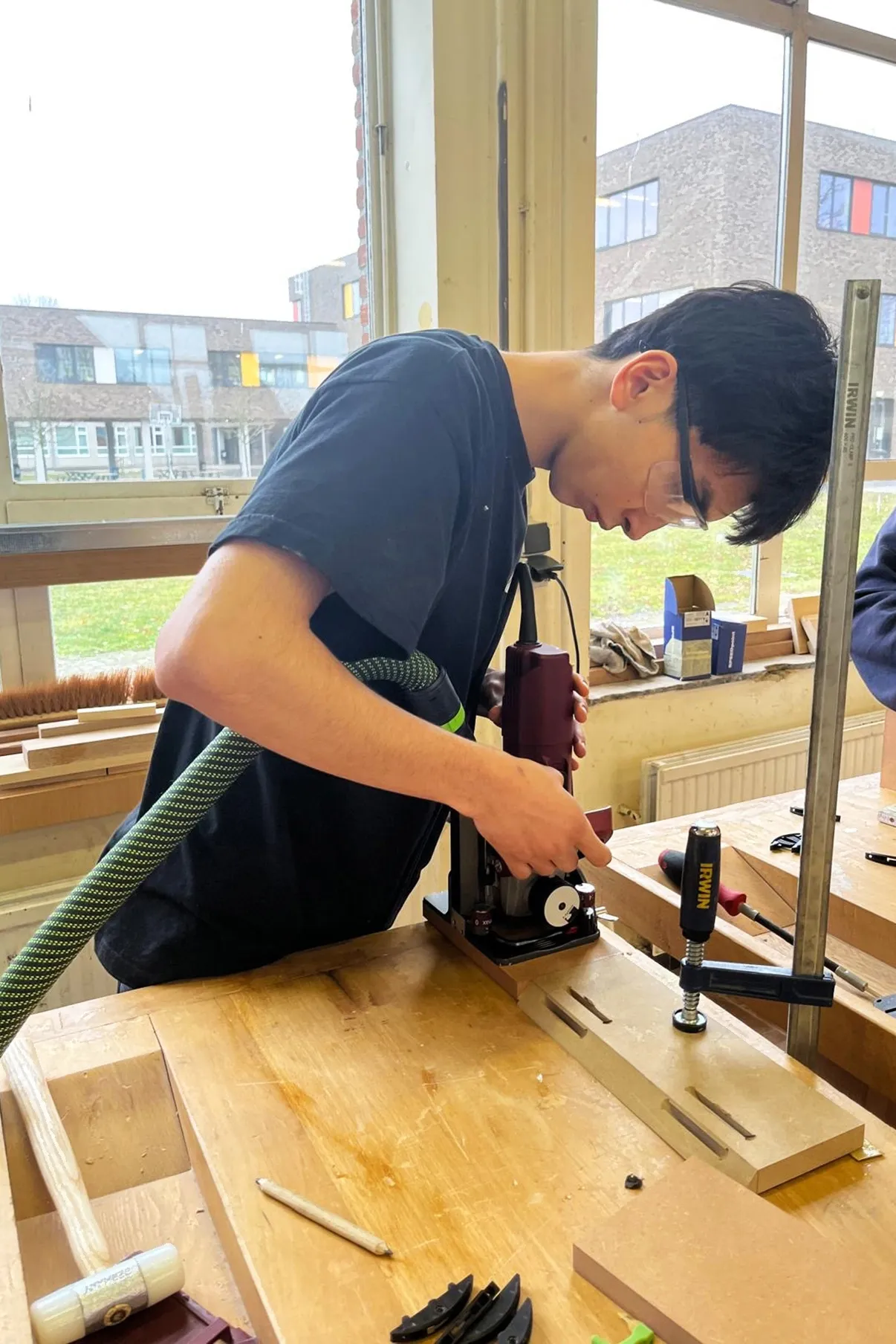
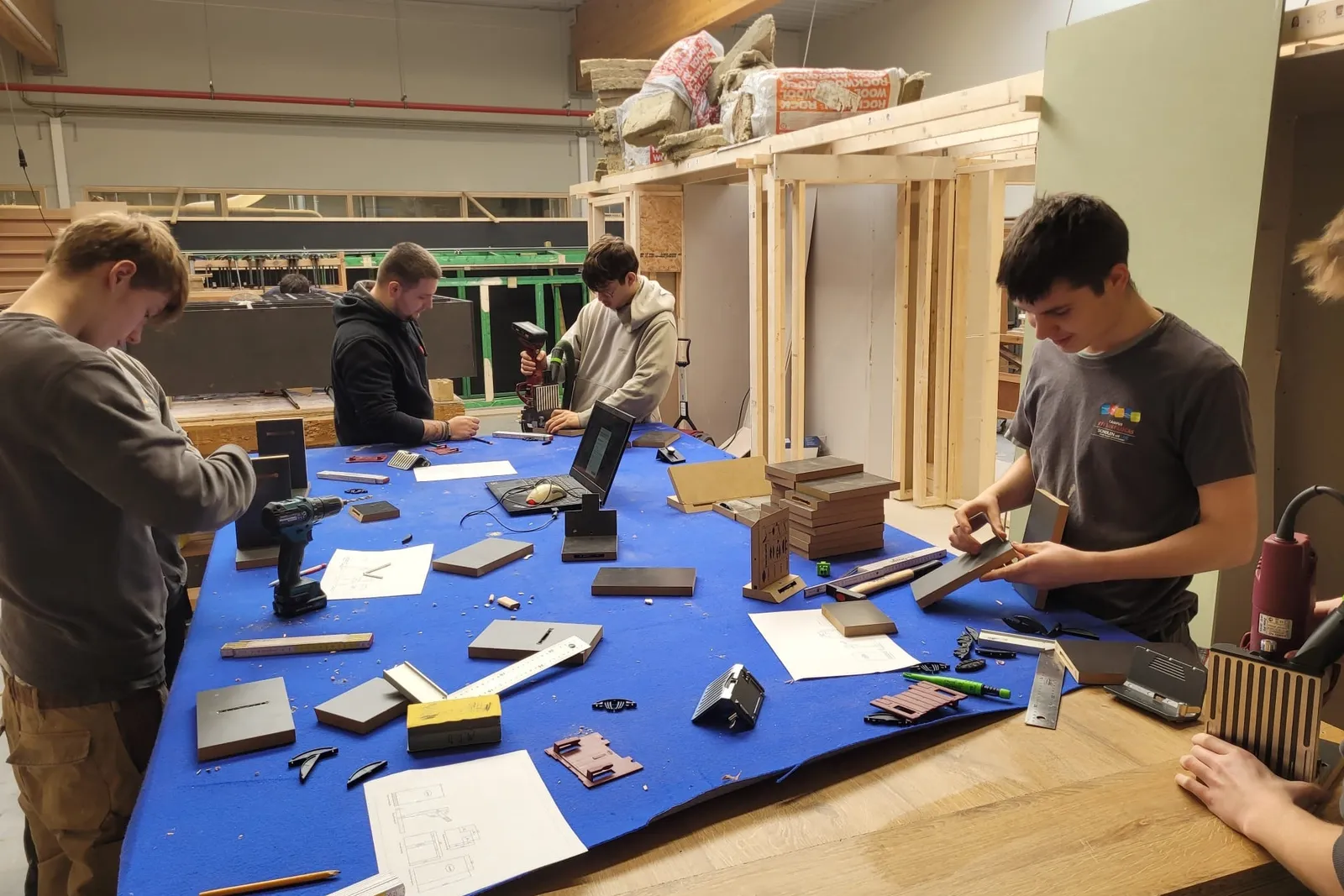
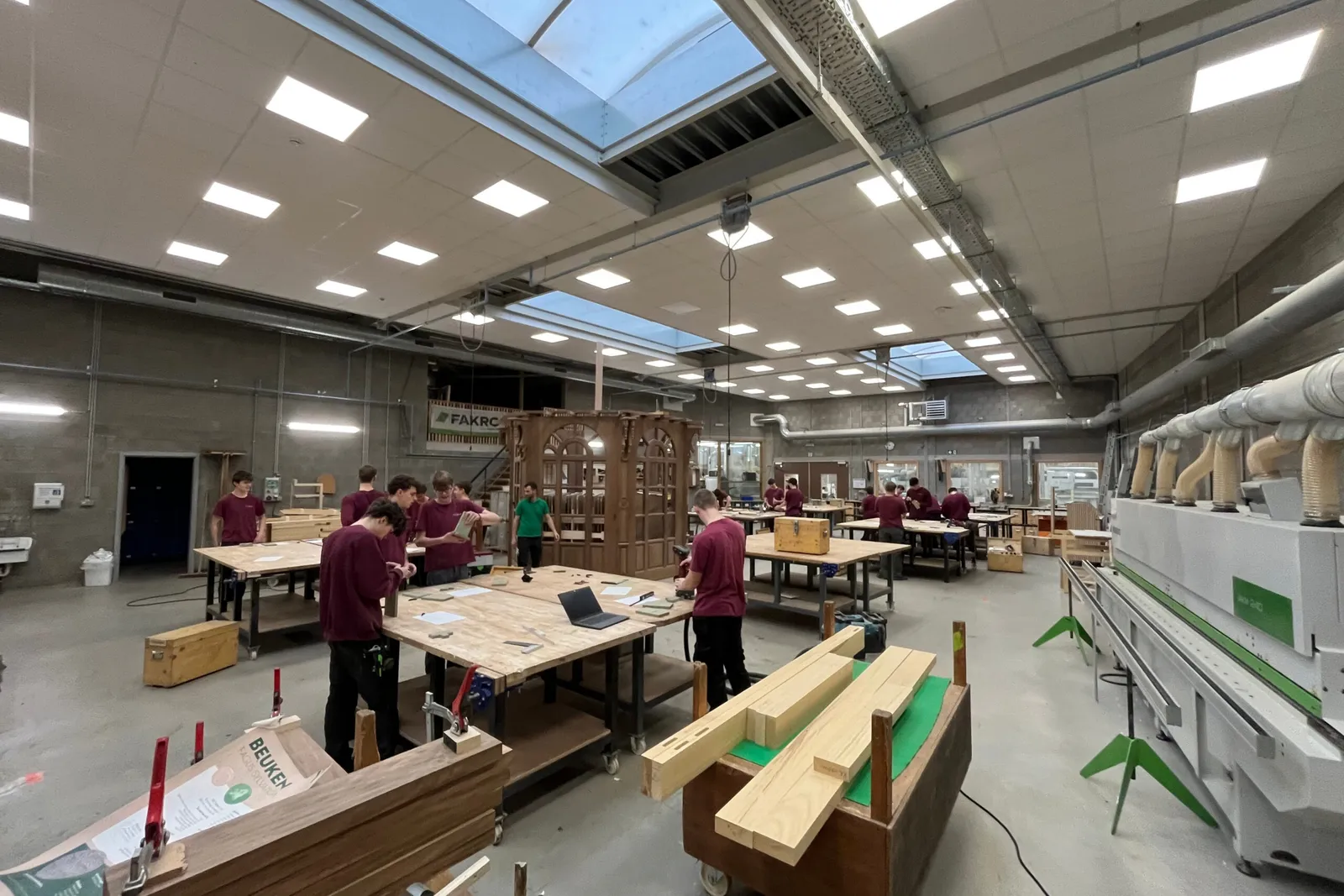
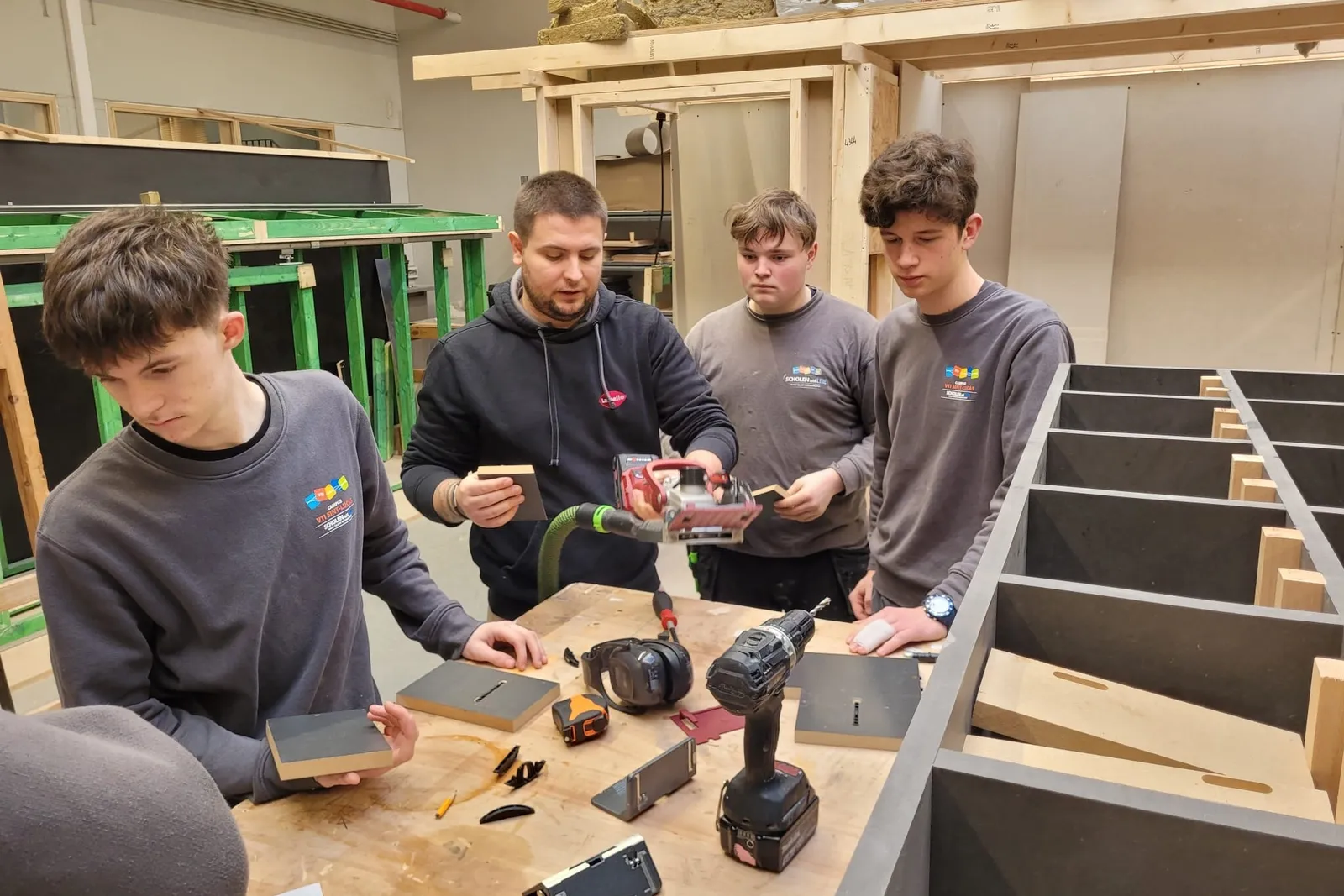
“We offer two modules for students in the final two years of secondary education,” adds Maxime Dumon, technical sales adviser, who also coordinates collaboration with schools. “In the first module, we introduce our P-System. We show students different connectors, carry out routing operations and explain how the machine works. In the second module, students get hands-on. They make joints for a phone and headphone stand, learning how to create a corner joint, a T-joint and a mitre joint. Schools can also buy our machines and accessories at a reduced price, making it more affordable to modernise their workshops.”
“We launched this training in 2021, convinced that today’s students are tomorrow’s carpenters,” says Marc Demares. “By investing in their training now, we ensure they know our products when they enter the sector.”
“This kind of training is essential to the future of the trade,” says Maxime Dumon. “If students are introduced to modern systems and techniques during their training, they will be better prepared for the realities of the workplace.”

Connecting with their world
Lamello has refined its approach over the years. “We started by making a birdhouse, but now students make a stand for a phone and headphones. At first, they sometimes find it amusing, but by the end they are usually very proud of what they have made,” says Maxime Dumon.
The teaching approach has also evolved. “It’s a very broad field. Not all students are necessarily interested in interior fit-outs; some are aiming for a career in exterior joinery. I’ve learnt to take a more gradual approach and not to assume too much prior knowledge. Asking plenty of questions helps keep them attentive and involved. At the start of the lesson, I pass round a solid-wood sample fitted with a Tenso connector. When they realise they can’t easily take it apart, the ice is broken and I’ve usually got the whole group’s attention. These 16- to 17-year-olds are still playful, but they are respectful.”
Supporting teachers
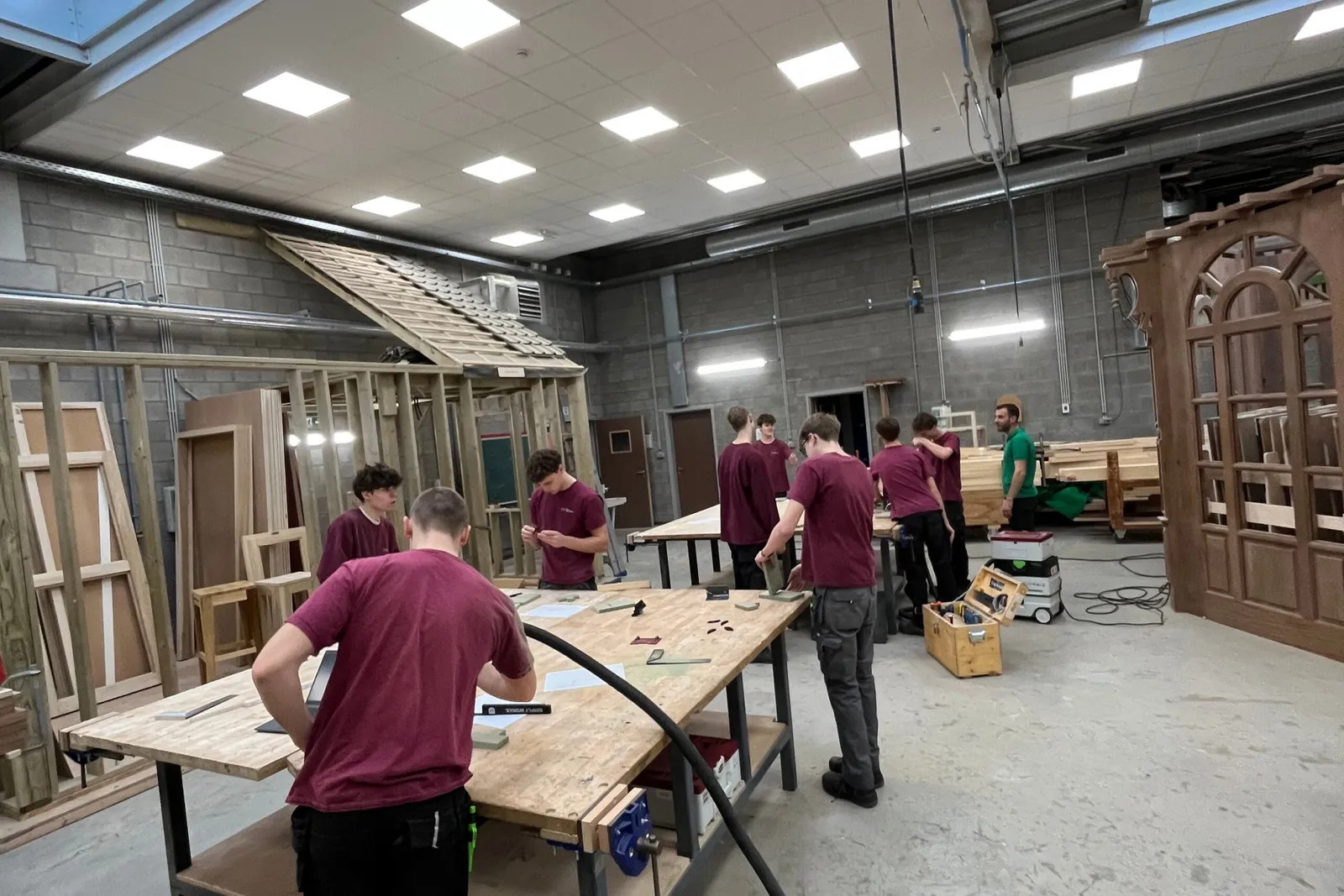
“We find that teachers and schools are highly motivated to give their students the best possible training, but new trends and technologies are still covered too little. Companies can make a real difference,” says Marc Demares.
“It’s an exciting field, but also an expensive one, as it requires a lot of machinery and materials. Schools are constantly having to make choices, putting pressure on both the quality of teaching and teachers,” adds Maxime Dumon.
“Out of necessity, many schools still work with older machines and materials. They can certainly be used to make furniture, but not in the way it is made in businesses today. This creates a gap between what students learn at school and what the labour market expects of them. More work placements should be provided. In the fifth and sixth years of secondary school, students only do two to three weeks of work experience. Yet you only really understand the trade by following a project in its entirety, from production to installation. Woodworking education still needs to get closer to the realities of the trade.”
Preserving expertise
“I also get the feeling that basic knowledge is gradually disappearing,” observes Marc Demares. “In recent years, teaching has shifted towards production work, at the expense of the finer points of the trade. People know how to use machines, but sometimes lack a deeper understanding.”
“Moreover, not every carpenter has a CNC machine. Around 60% of the carpenters I visit still work by hand,” notes Maxime Dumon. “With such a diverse sector, it’s difficult to prepare students realistically for the labour market.”
Businesses also have a significant need for practical training, even though finding the time can be difficult. “We try to meet this need by providing training on site, in the workshops. Together with the business, we assess how the P-System can be most useful to them. Using a live project or a specific problem makes the training immediately applicable. Investing in training takes time, but businesses often find they quickly recoup it through productivity gains.”
Question about this story? Ask your question
Keep following this
Get an email when a new story is published. No account needed.
- ThemeFit-outs for changing needs
- SubjectWoodworking