










Cherry: exclusive, refined and versatile
Texte : Wendy Thijs Illustration : Hout Info Bois, Meubelmakerijk Houtwerk, Tovgemaakt
Wood is heterogeneous: every species behaves differently. It therefore makes sense to choose species you know well. After all, you know exactly how to work with them to complete your project. But sometimes it is worth choosing less familiar species and making the most of their ecological, economic and creative benefits. That is why we are showcasing species that deserve to be discovered. This time, we take a closer look at cherry.
Cherry was once a less popular timber. Its reputation as an unpopular choice dates back to Germanic mythology. According to the beliefs of the time, demons liked to hide beneath the tree’s low-hanging branches. That is why cherry branches are still burned today in some European countries.
Choose European cherry
Don’t let these old superstitions put you off adding this species to your repertoire, as cherry is highly sought after for interior projects. You may, however, find it difficult to source, as supplies are limited. There are fewer cherry trees in orchards than in the past, and the species is relatively uncommon in Belgian forests. American cherry is generally easier to find, but it would be a shame to import a species that grows so well here.
If demand increases, the forestry sector can readily adapt by planting more cherry trees and managing them sustainably. That is another good reason to use this fine species more often. Choosing local timber boosts its environmental benefits. Trees absorb CO2 as they grow, and this CO2 remains stored in the wood. Timber therefore often has a favourable carbon footprint. And the shorter the transport distances, the better the footprint.
A warm, elegant appearance
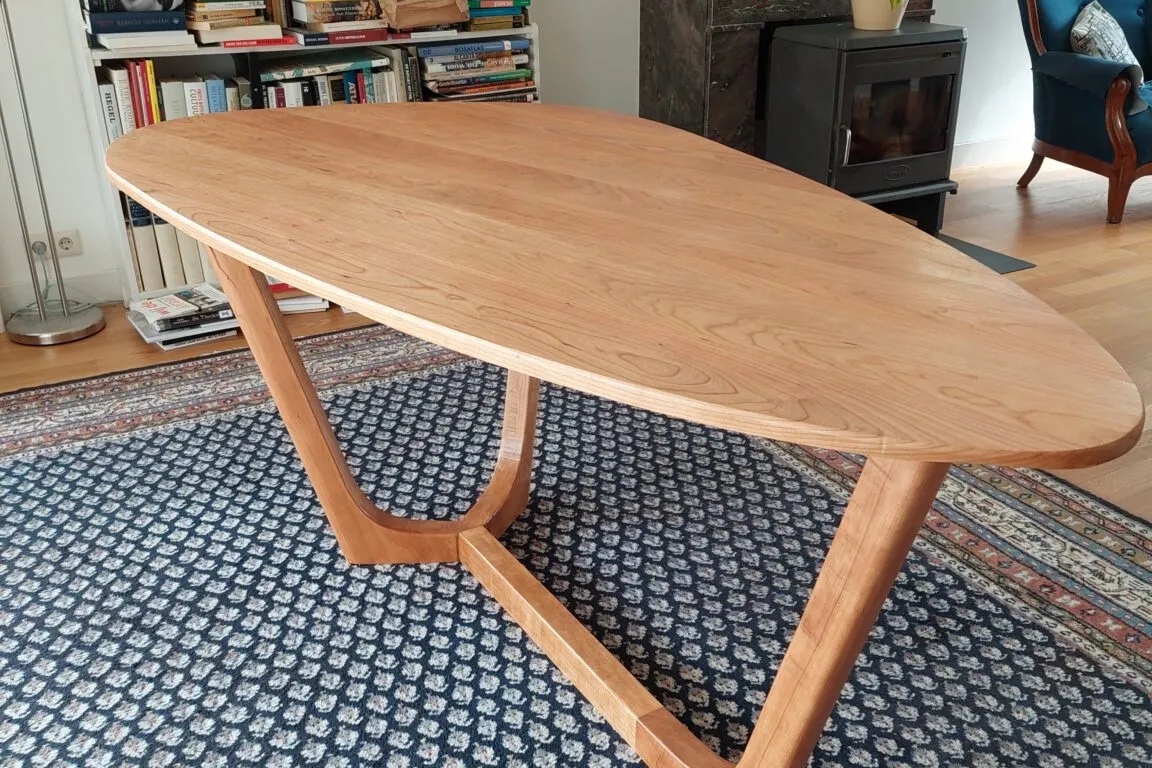
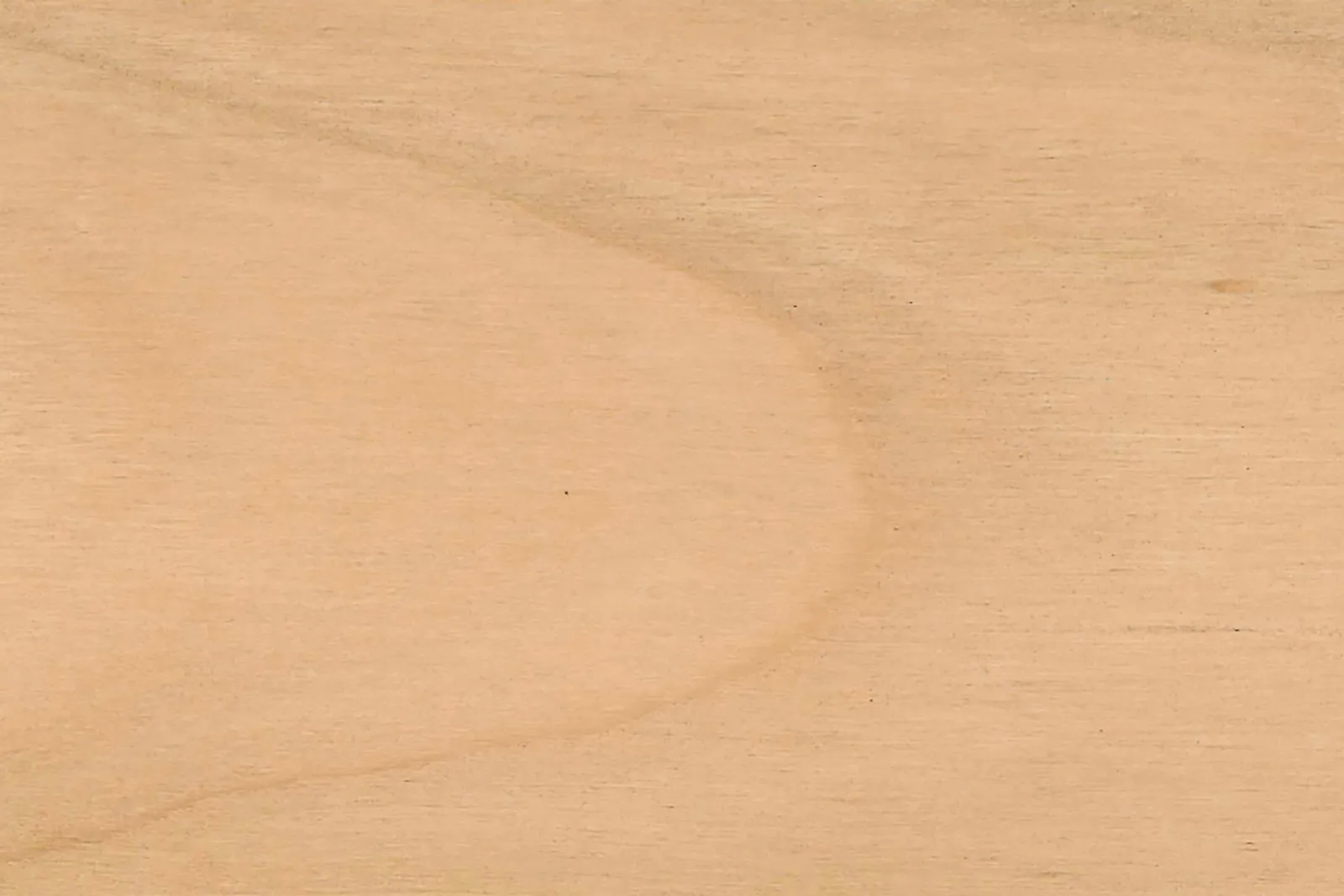
Cherry owes its popularity to its warm colour and refined appearance. The heartwood ranges from pink to pinkish brown, sometimes with greenish figuring, while the sapwood has a greyer hue. Its straight grain and fine texture give it a calm, even appearance. Plain-sawn timber can have a subtly flame-like figure, sometimes with a slight moiré effect, adding character to the surface.
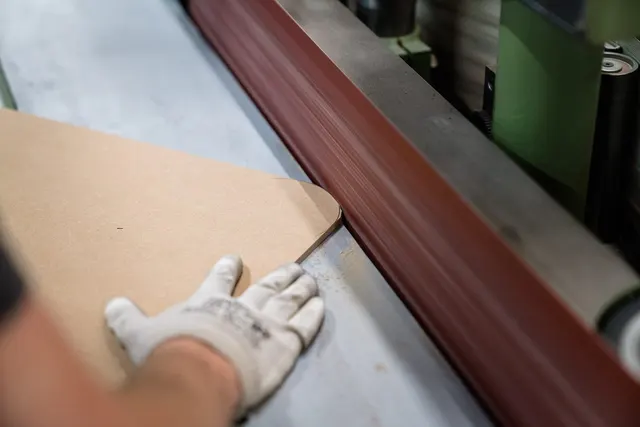
Cherry takes time to dry, but is then very easy to work with using practically any type of tool. It is a relatively soft species. Sanding with 180-grit paper or finer brings out the patterns and colour. As the sapwood is somewhat more susceptible to insects, preservation using the A1 process is recommended. It is easy to finish with oil, stain or varnish. Using a product with UV protection helps prevent discolouration and preserve the timber’s warm hue for longer.
Versatile enough for a wide range of interior projects
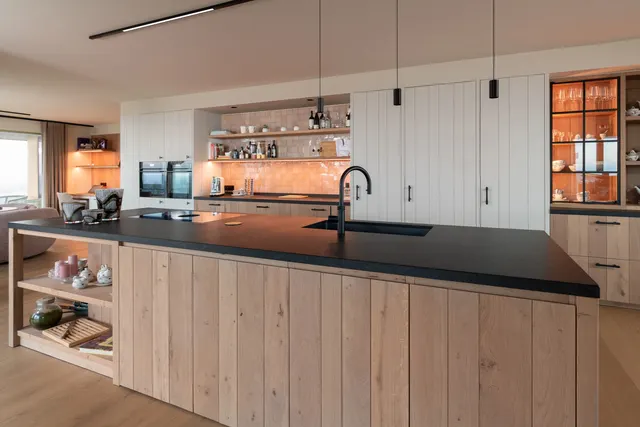
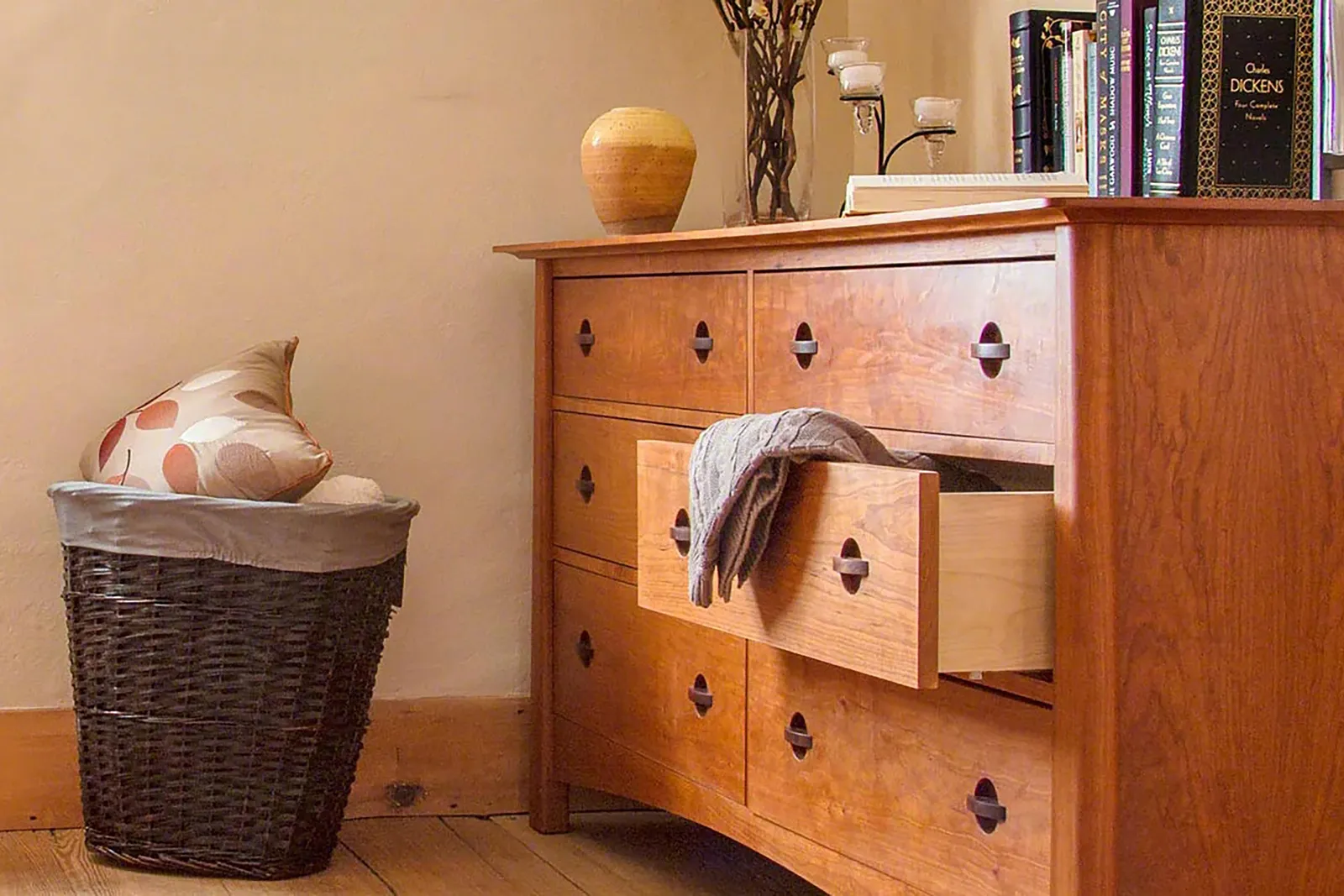
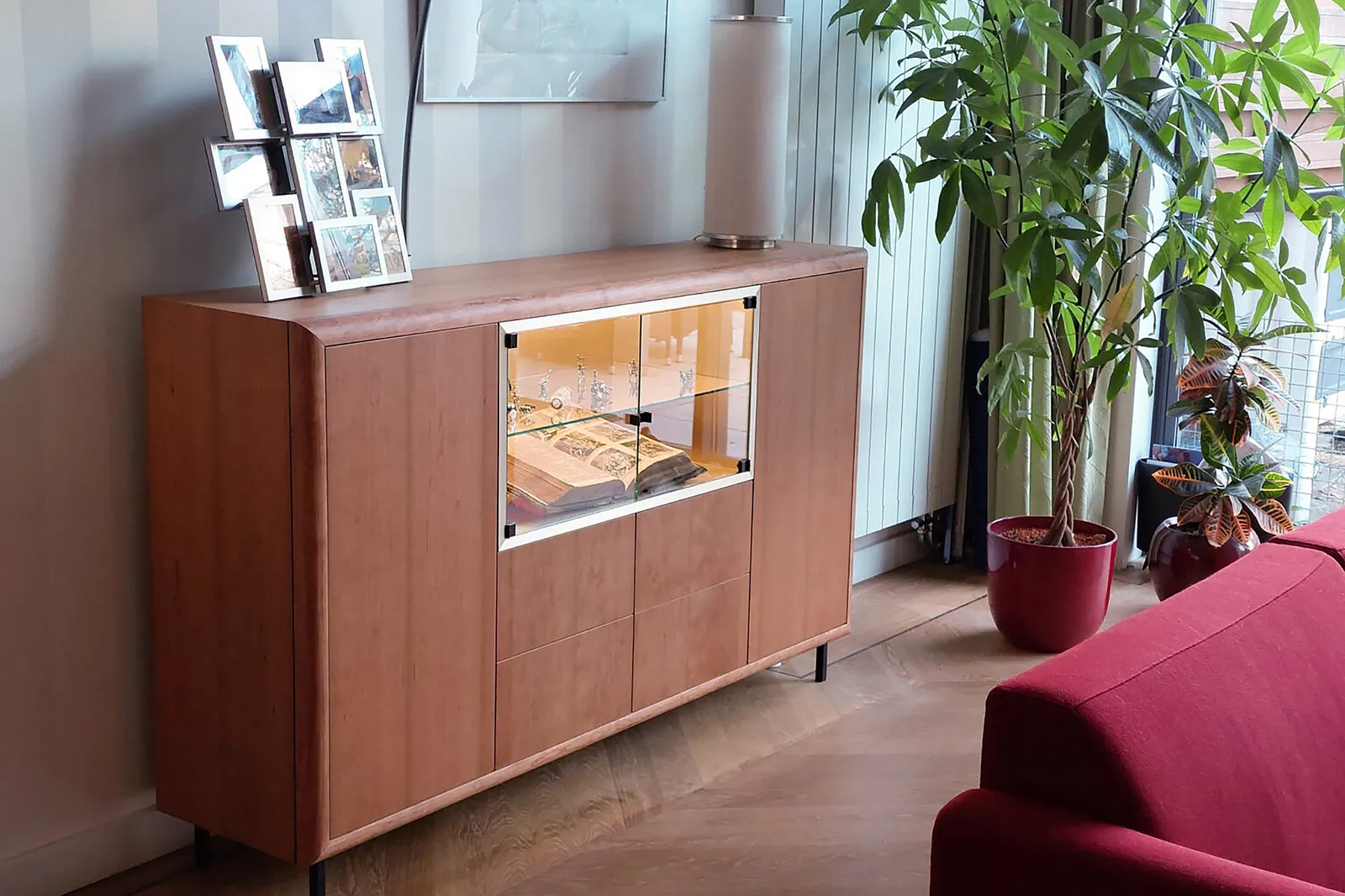
Cherry has a natural durability class of III to IV, while the sapwood is class V. This means the species is not suitable for outdoor applications. Indoors, however, the possibilities are numerous. As we have seen, cherry is easy to work and finish, making it an excellent choice for staircases. Cherry furniture and small accessories also fit beautifully into interior schemes. Because supplies are relatively limited, cherry is often used as a veneer. This is the most efficient way to use it.
For any questions or specific challenges, you can always contact Hout Info Bois.
Question about this story? Ask your question
Keep following this
Get an email when a new story is published. No account needed.
- ThemeTimber and panels under pressure
- SubjectWoodworking