










Woodwize in the spotlight: an introduction to our training services
Texte & photos: Woodwize
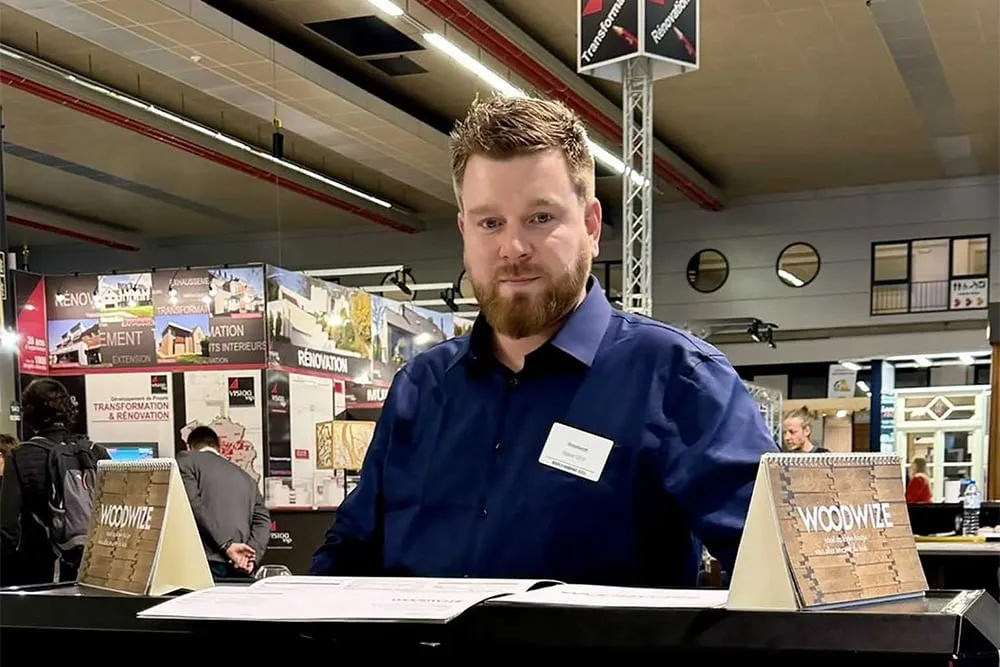
“We help companies and their employees navigate the range of training courses provided by approved operators, and we also offer our own training courses, both off-site and in the workplace. We advise companies on which training to take and take care of organising and following up. We help companies clarify their training needs and plan accordingly: which courses are urgent, essential and/or useful, and how can they best be organised?”
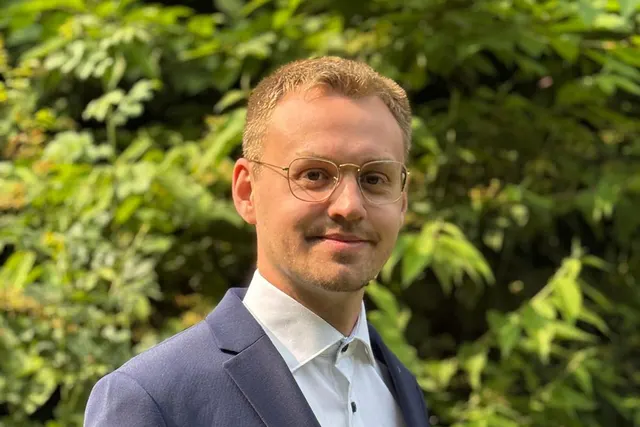
Who is Kevin Lefèvre?
// Sectoral training consultant
// Region: Wallonia-Brussels
// Years of service: 10 years
Professional follow-up with contacts
Kevin: “All kinds of scenarios are possible. Companies usually get in touch with me themselves when they have a specific training need. I also contact companies directly, whether for projects such as Jeune-26, which aimed to encourage young people to enter our sector, or simply to offer to introduce them to our various services. I make contact by email or telephone, but the best way to get to know a new company is still to visit in person.
For companies that already know us, it is also very important to visit from time to time to stay in touch, respond to their changing needs from year to year and follow up on ongoing cases.”
A framework for the first meeting
Kevin: “A first meeting is always very important in helping companies understand Woodwize’s role and how we can support them. I therefore start by presenting our four pillars: training, safety & wellbeing, education and HR services. As a training consultant, I go into more detail on that area, including the various financial contributions and possible discounts, and give a general overview of the other pillars. If companies have specific questions for another service, I answer them, but also refer them to a colleague with greater expertise in that area. A visit to the company is essential so I can understand its activities and then offer the best possible advice. We arrange a follow-up meeting at a later date to explain the training system in more detail and demonstrate how to use our online tool Compas, which makes it easy to measure a company’s training efforts.”
Persuading employers to introduce a training plan/policy
Kevin: “For many players in the wood and furniture sector, training is an integral part of the company’s philosophy. They are well aware of the importance of having trained, qualified staff to remain competitive as our sector continues to evolve. Some companies still need guidance in developing their employees’ skills. Woodwize is here to support them, and there are many options available, such as reclaiming part of the wage costs for staff undergoing training. Paid educational leave, for example, allows companies to recover a significant amount of their training costs.”
Where can you find training for the wood sector?
Kevin: “The economic situation, technological developments and international competition make it essential to maintain employees’ skills, which is therefore one of companies’ main objectives. Companies are constantly looking for qualified staff, but finding them is not easy. It is therefore essential to be able to train employees, both in-house and externally. Woodwize is the go-to contact for finding the best training solution.”
The questions companies ask most often
Kevin: “Questions generally concern technical training, the procedures to follow, costs, financial benefits, administrative follow-up and organisation.”
How important is internal culture?
Kevin: “Ideally, whenever a company has a training need, Woodwize is the first organisation it thinks of. That way, we can step in in time and find the best solution. Training should therefore be an integral part of the company’s culture. The company then knows exactly when and why to call on Woodwize.”
Differences in training between small and large companies
Kevin: “Large companies generally have staff dedicated to training, which makes organisation easier. In smaller companies, the manager has to take care of it. I am available to help all companies in the sector, whatever their size, with setting up training within their organisation!”
Age differences among people taking part in training
Kevin: “Training is important at every age. Lifelong learning helps people develop their skills. It is essential. We see this in our sector in the form of technological developments, investment in modern machinery, automation and innovation.”
Question about this story? Ask your question
Keep following this
Get an email when a new story is published. No account needed.
- ThemeJoinery businesses on the move
- SubjectNews