










From felled tree to characterful furniture
Texte Wendy Thijs | Photos Treeline
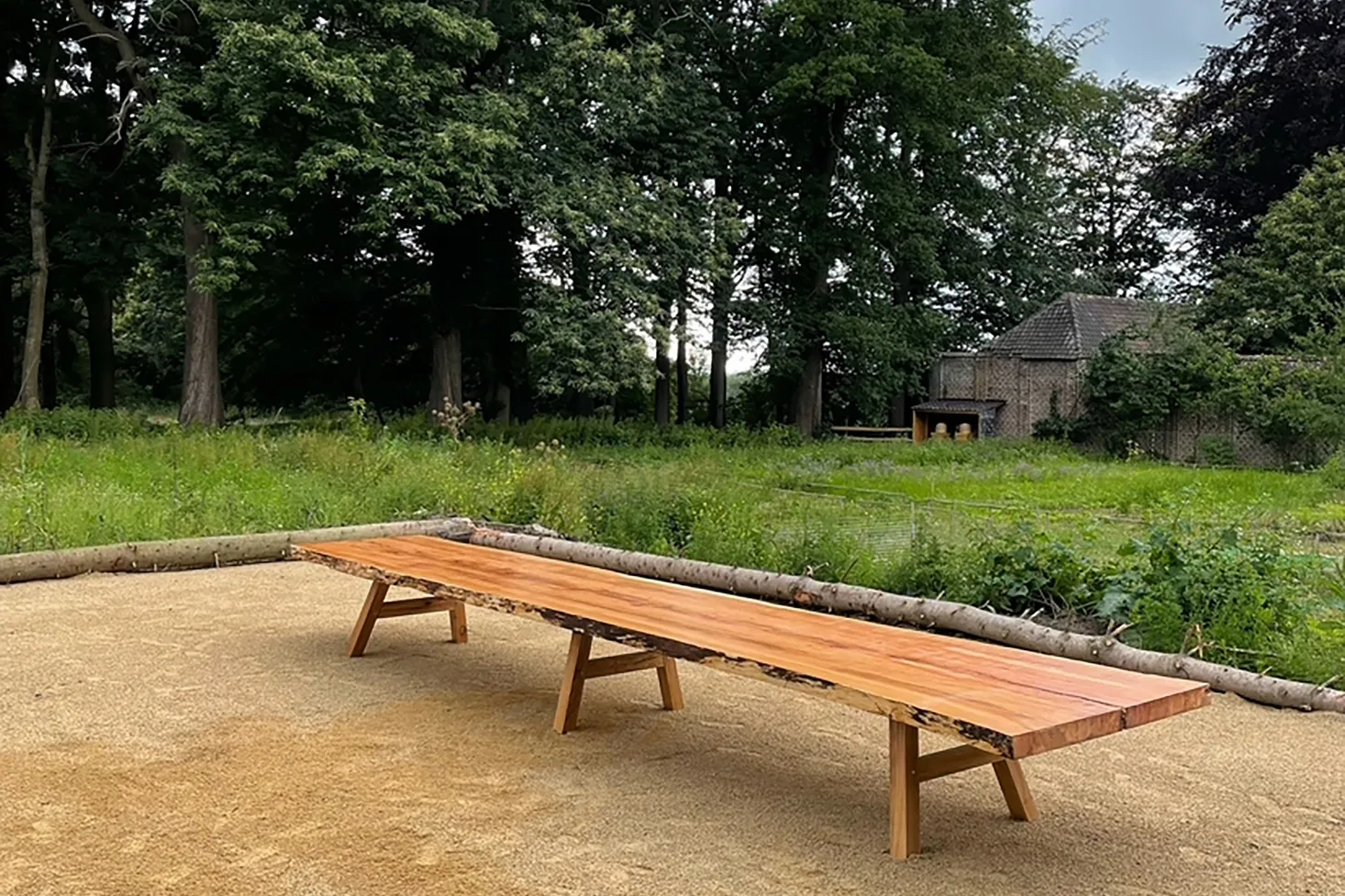
What could be more sustainable than using wood from your own garden to create a new piece of furniture? With this idea in mind, Treeline is putting local solid wood back in the spotlight. It is no easy feat in a market dominated by panel products, which are unbeatable in terms of price, speed and ease of use. Yet solid wood has one unique advantage: it gives interiors incomparable soul and character.
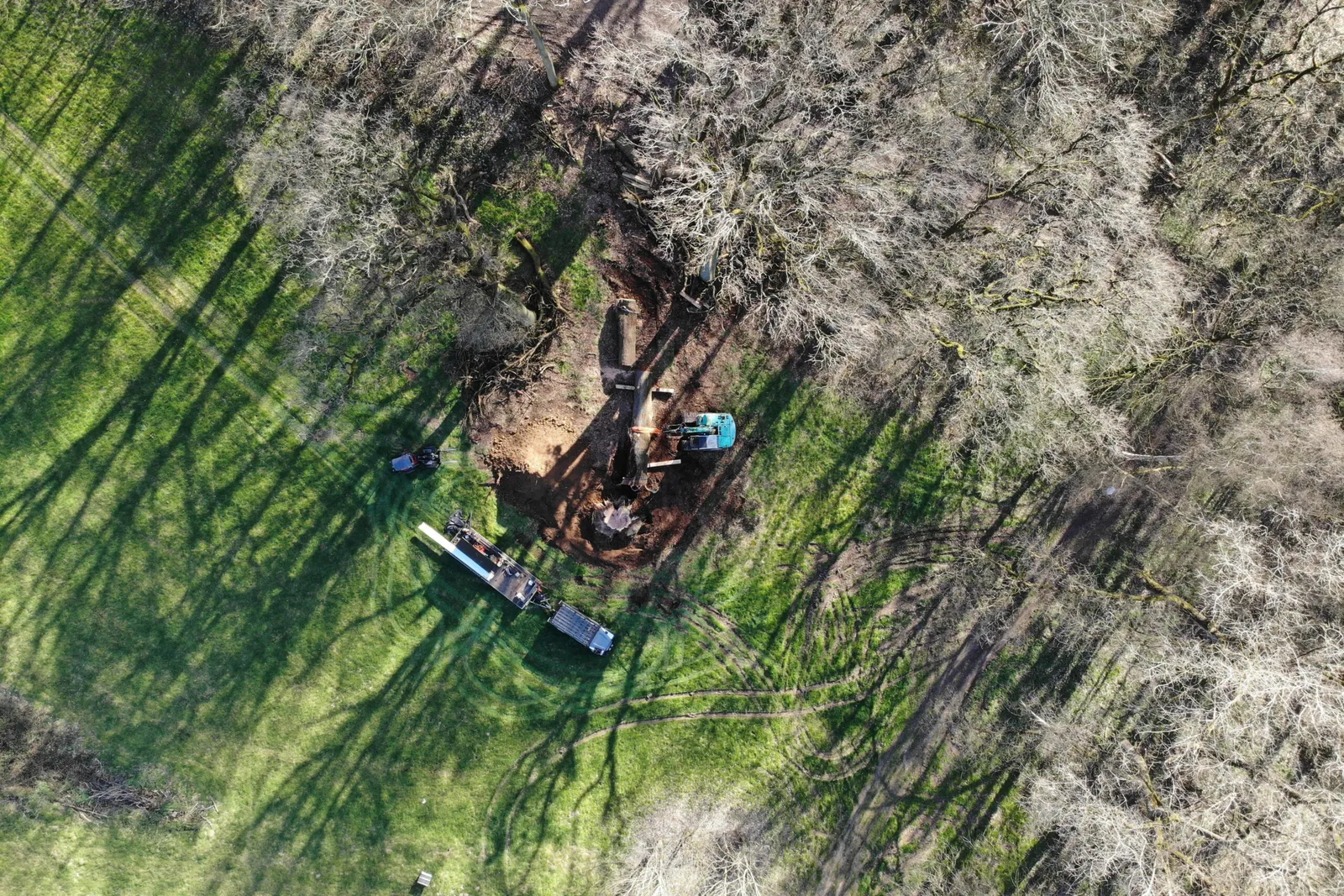
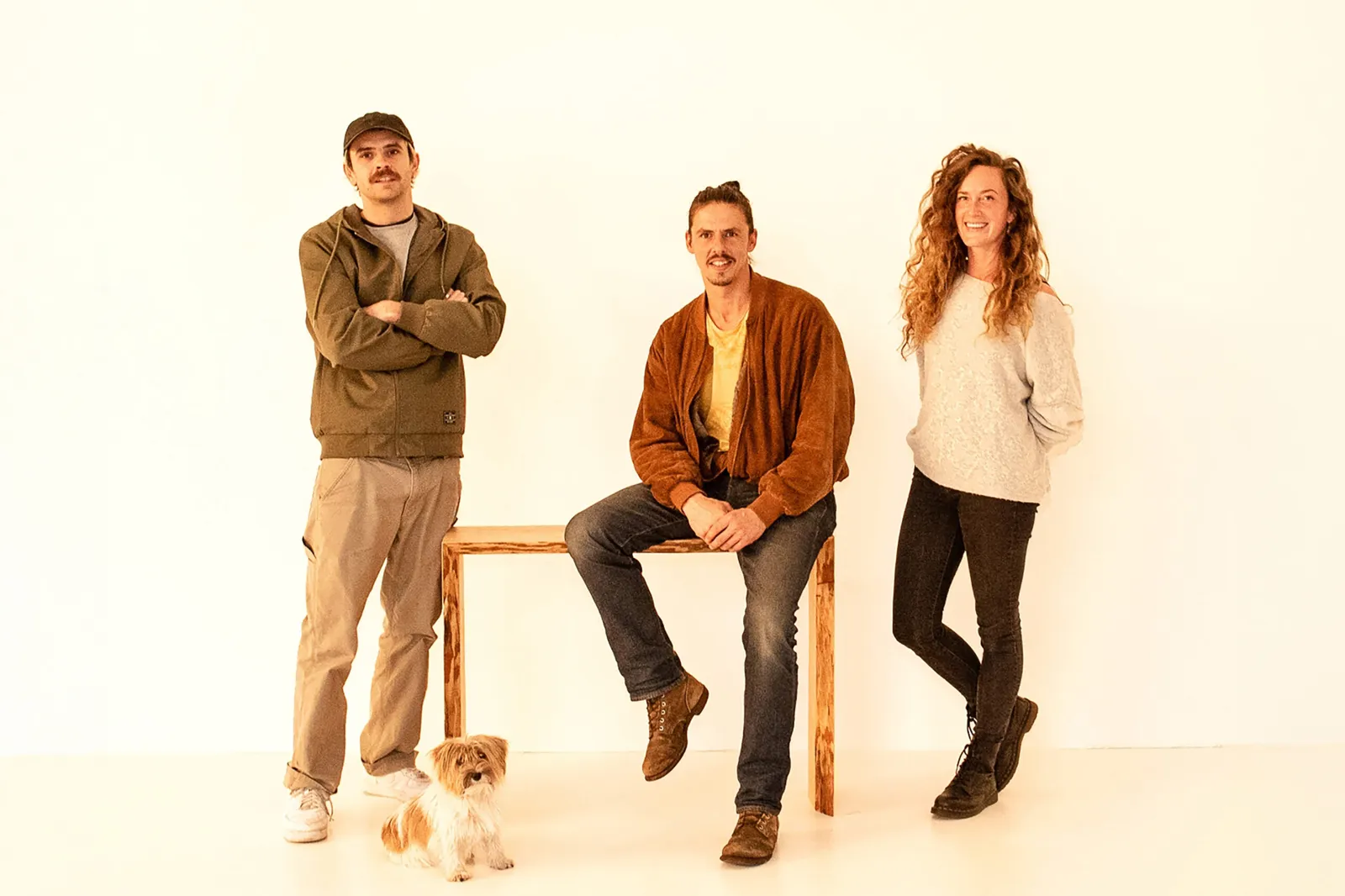
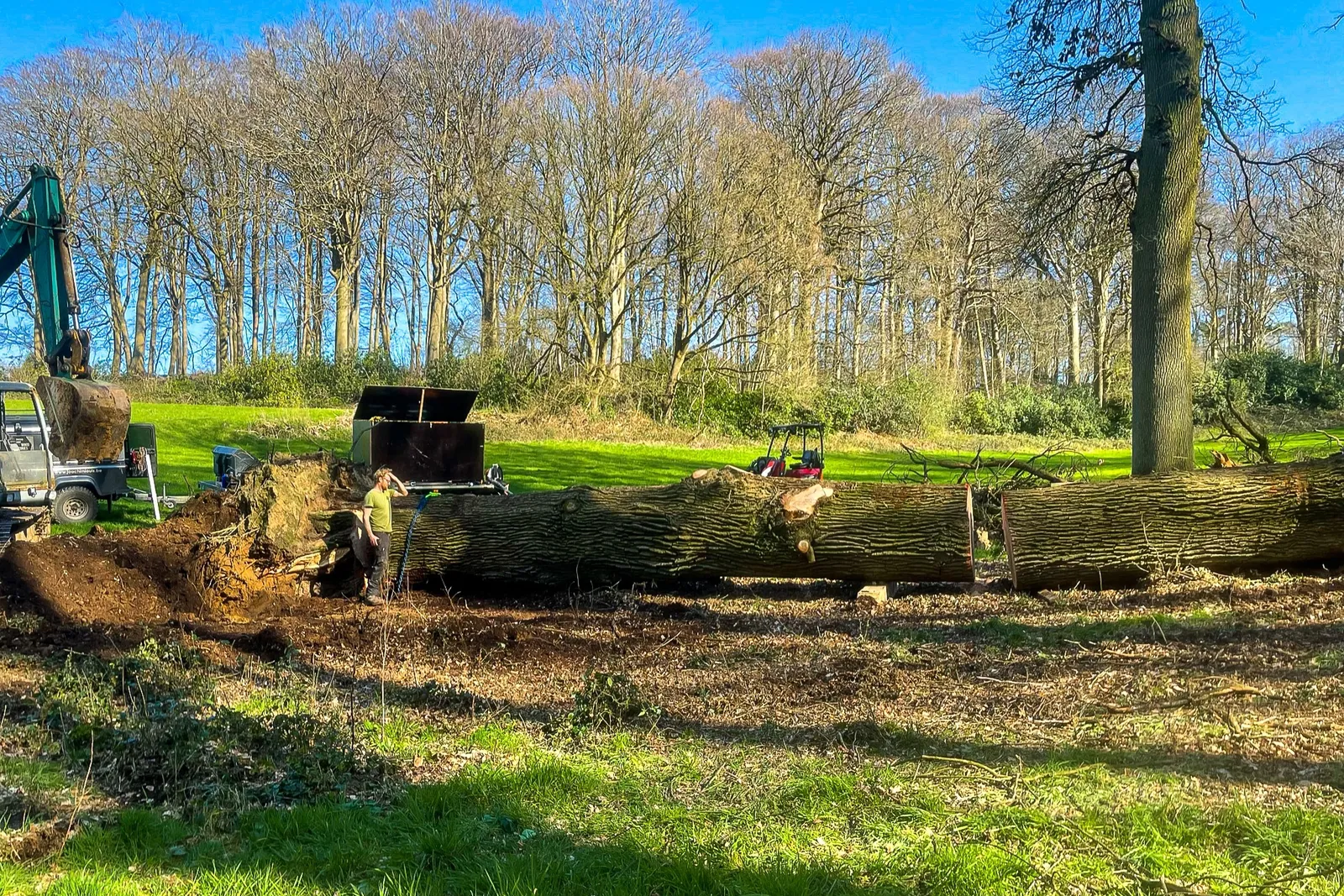
Sam Vansteenkiste began his career as a roofer and carpenter before training as a European Tree Worker. Arborists are passionate about nature, but sometimes they have to fell trees, a difficult reality to accept. “Trees provide shelter for nests, insects and other animals. They make a huge contribution to biodiversity,” he explains. “But clients sometimes see things differently: a tree causes disputes with neighbours, blocks light or gets in the way of installing solar panels. Once a felling permit has been granted, the arborist has no say in the matter. In just a few hours, a landmark that took hundreds of years to grow is felled, sometimes reluctantly.”
Saving trees from the chipper
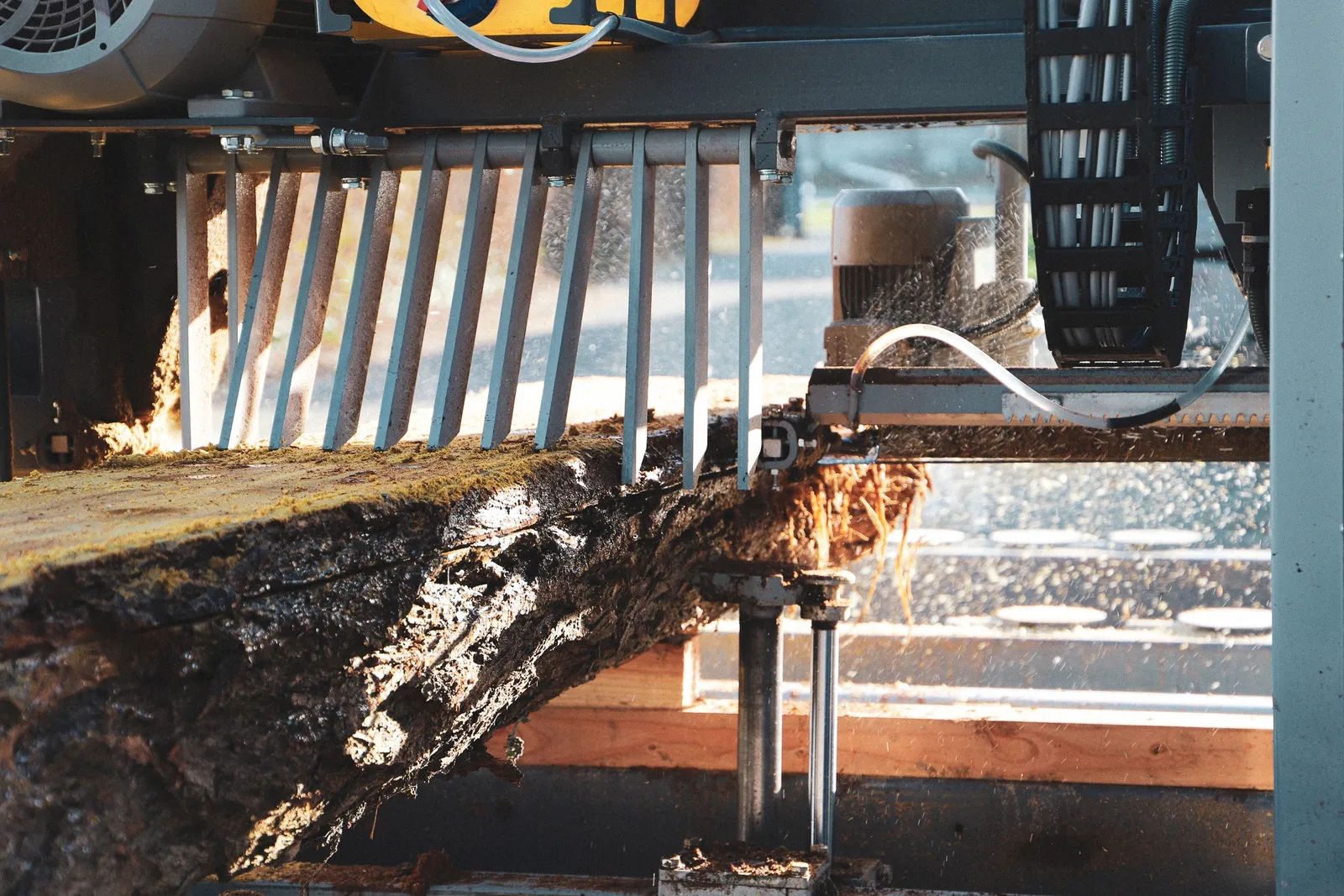
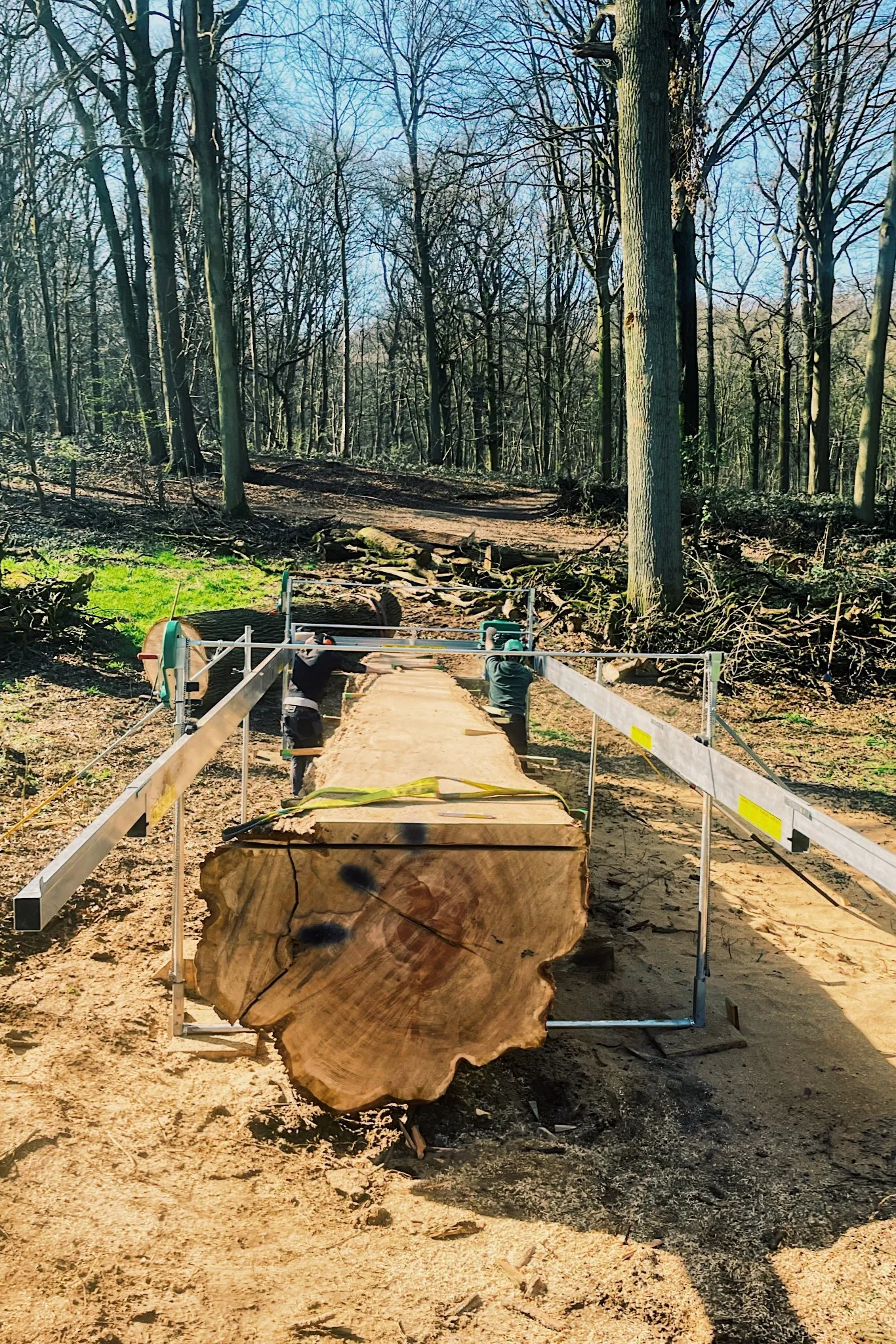
In the vast majority of cases, these trees are chipped and turned into biomass. Frustrated by this, Sam Vansteenkiste invested in his first mobile sawmill and began sawing and drying logs on a small scale. Today, he manages the entire process: Treeline is a tree surgery company, sawmill and joinery workshop all in one.
The sawmill works with a range of species, but always from trees with a story or a distinctive character. “As a small business, we can’t compete with traditional timber merchants, so we look for the exceptional. Yew, ash, lime, walnut, oak, chestnut, plane and characterful beech, as well as more exotic species such as tulip tree, swamp oak, sequoia and honey locust, introduced into our gardens back when people still brought young plants home by plane. One of our clients was able to turn the huge sequoia planted by her great-grandfather into furniture when the tree reached the end of its life.”
Trees with a story to tell
Trees carry a story within them, and Treeline brings it to light. Take the more than 300-year-old oak from the Kluisbos, felled during a storm. “It was the last of a circle of seven trees. Why they were planted in a circle remains a mystery, but we know this oak lived through Napoleon’s campaign and two world wars. Bullet marks and shrapnel bear witness to that. So clients aren’t just buying a table, but a piece of history that lives on.”
Furniture with soul
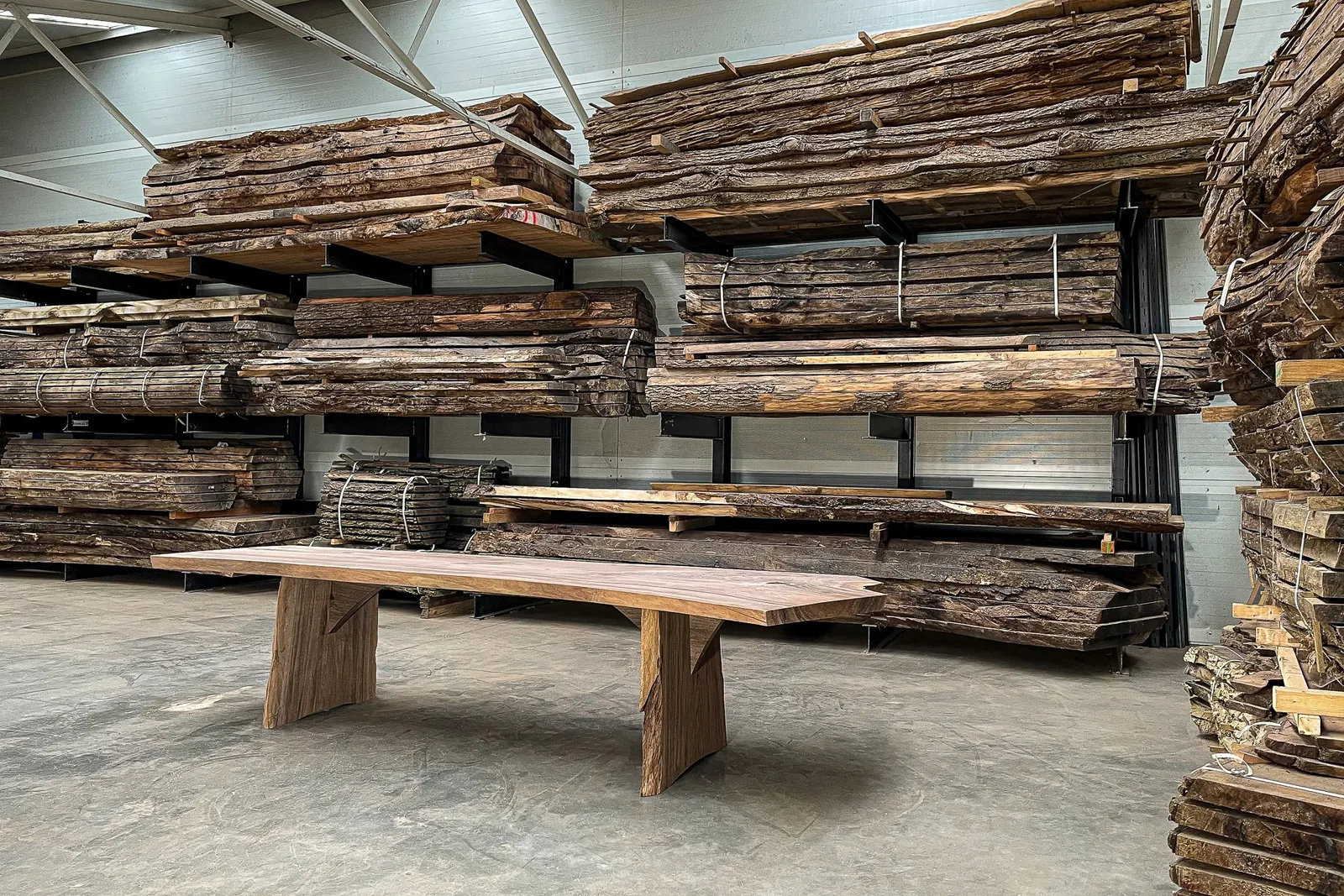
Making a piece of furniture like this takes time. Logs are first air-dried for around three years, then spend a few more weeks in a kiln to eliminate insects and reach the right moisture content. Over time, Sam Vansteenkiste has built up a wealth of knowledge about wood.
“Understanding how different species behave, and managing knots and warping: this knowledge used to be passed down from generation to generation. Today, you learn it on the job. Sometimes that means a process of trial and error. Boards can look perfect after three years of drying, yet still warp or crack when they come out of the kiln.”
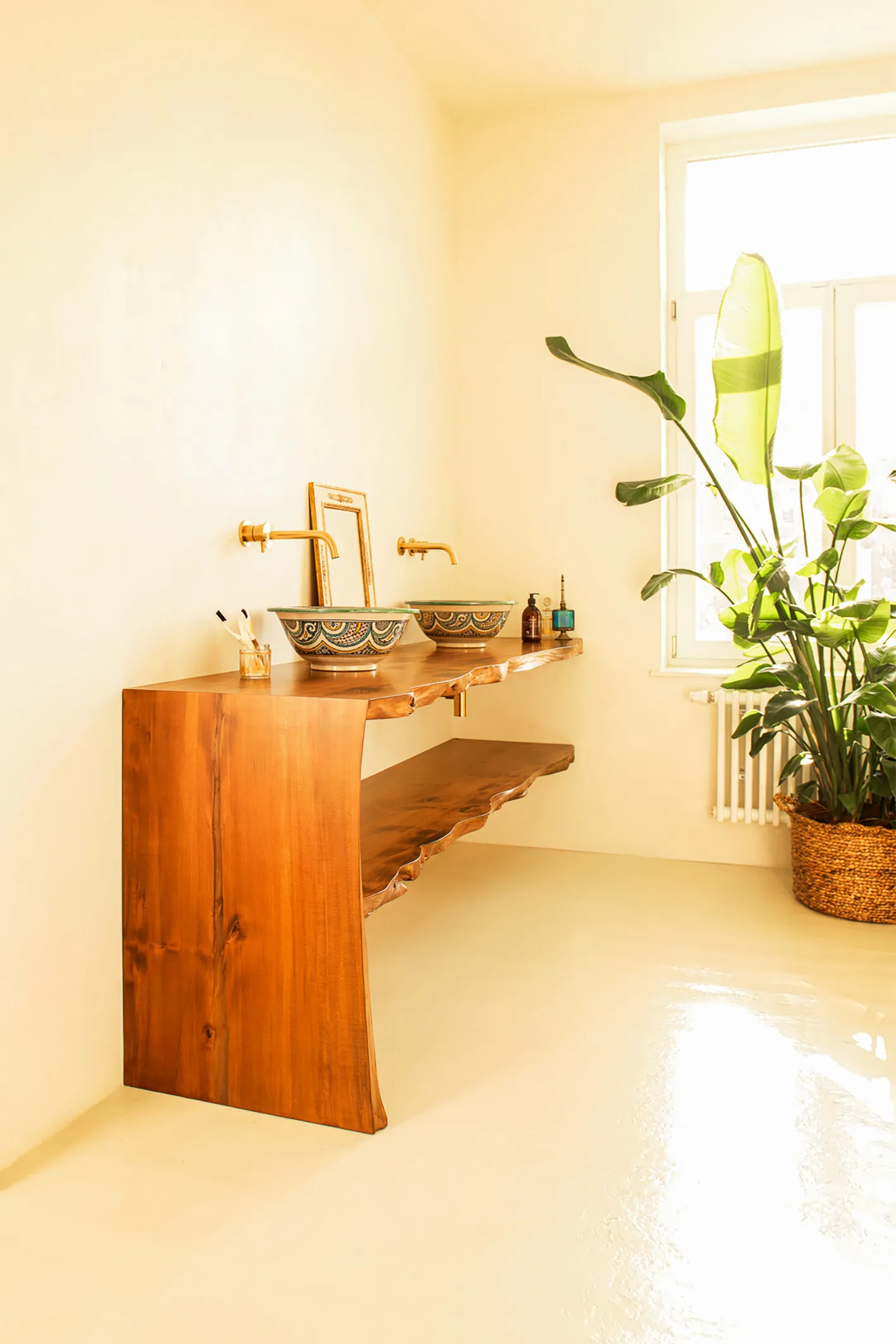
Treeline then turns these boards into one-off creations: dining tables, coffee and side tables, bathroom furniture, worktops and desks. A collection of its own showcases the possibilities, but most pieces are made to measure for private clients or architects. Working with solid wood takes time and skill, and that comes at a cost. “It’s a shame that it isn’t accessible to everyone, but if more architects and joiners choose solid wood, prices will come down,” says Sam Vansteenkiste. He is doing his bit by also offering solid wood slabs to fellow professionals, with machining available.
Giving solid wood the recognition it deserves
It is difficult to compete with veneer and panel products. “They quickly displaced solid wood in our interiors. Readily available, affordable and easy to work with, they deliver consistent quality and perfectly straight, symmetrical results, but they can also look very industrial. Combine them with solid wood, and you instantly bring more character to an interior. This could be through handles, a table or a worktop. Small details that help reconnect people with the beauty of solid wood. I encourage joiners and architects to be more creative and introduce their clients to different species. There is an immense wealth of options if you take the time to explore them.”
He concludes on a critical note: it is best to avoid tropical timber. “It is often used beyond what is actually needed. It can last 150 years, while a deck stays in place for no more than 50 years at most. Acacia is a better choice: its environmental impact is much lower, while still offering more than enough durability.”
Question about this story? Ask your question
Keep following this
Get an email when a new story is published. No account needed.
- ThemeTimber and panels under pressure
- SubjectNews