










From forest management to net zero
Texte & photos : EGGER
Sustainability is not a trend, it is a necessity. In the wood and construction sectors, EGGER is a pioneer in corporate responsibility. The EGGER Group is committed to minimising its environmental footprint while fully embracing its social responsibility. This is reflected in reduced energy consumption, responsible purchasing, an efficient circular economy and safe working conditions. With concrete targets for 2030 and a firm commitment to the United Nations Sustainable Development Goals (SDGs), EGGER is showing that sustainability and economic growth can go hand in hand.
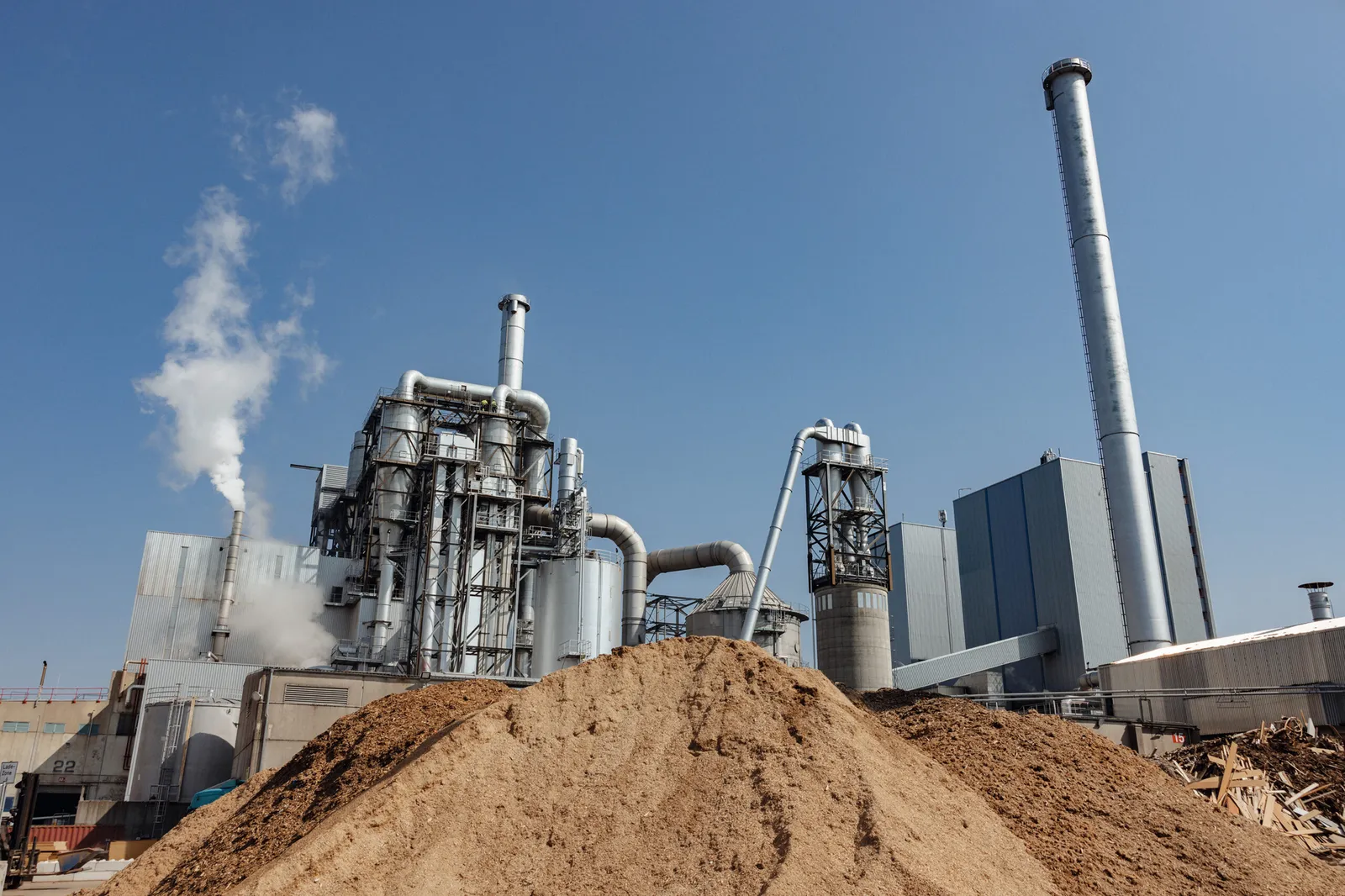
As the production of wood-based materials is energy-intensive, EGGER has taken significant steps to make its energy consumption more sustainable. In 2023, its total energy consumption amounted to 9,270 GWh, with renewable sources covering 78% of its heating requirements. At the same time, the share of green electricity rose to 27%.
EGGER has set clear climate targets for 2030:
- A 30% reduction in direct emissions from its own plants (Scope 1)
- A 40% reduction in indirect emissions from purchased energy (Scope 2)
- A 10% reduction in indirect emissions across the supply chain (Scope 3)
Through targeted investment and process optimisation, EGGER is making steady progress towards climate-neutral production.
Sustainable, local and transparent forest management
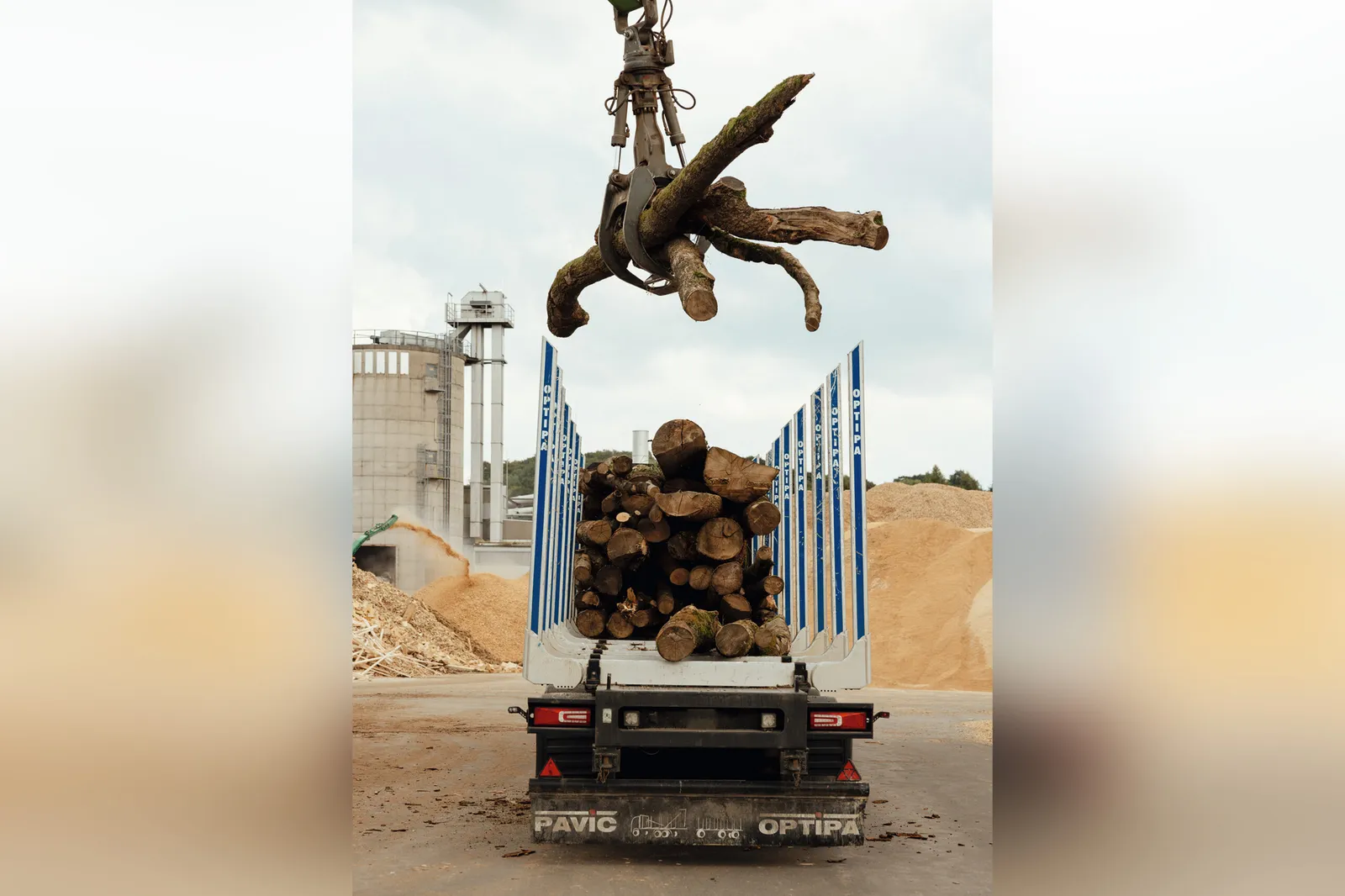
Responsible sourcing of raw materials is the foundation of EGGER’s sustainability strategy. 73% of the wood it uses comes from areas close to its production sites, limiting transport distances and reducing emissions while supporting the local economy.
EGGER also prioritises transparency: 92% of its wood is bought directly from suppliers rather than through distribution networks. This approach ensures optimal traceability and long-term partnerships with like-minded businesses.
Circular economy: giving wood a second life
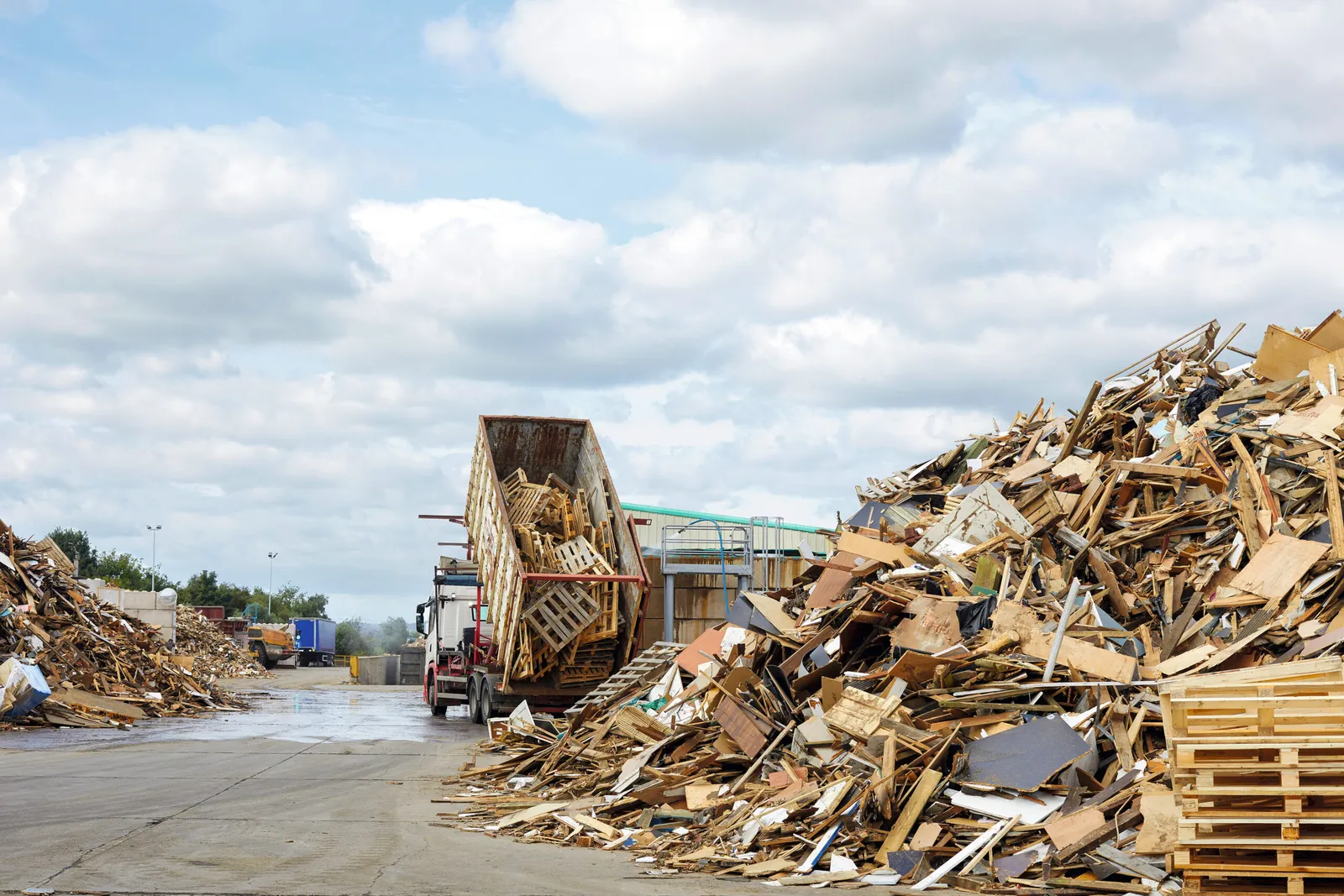
One of the most successful examples of EGGER’s circular approach is Eurodekor particleboard, a popular choice for furniture and interior design. This product is a perfect example of how wood waste can be put to good use.
76% of the wood used to produce these boards comes from sawmill by-products and recycled wood. At the end of their useful life, the boards are 100% recyclable and can become raw material once again. This virtuous cycle reduces reliance on virgin resources and extends the life cycle of wood.
Investing in talent and green energy
At EGGER, sustainability is also about people. The company is committed to providing a safe and healthy working environment. As a result, the accident rate has fallen to 7.76 incidents per million hours worked, in line with the ultimate goal of zero workplace accidents.
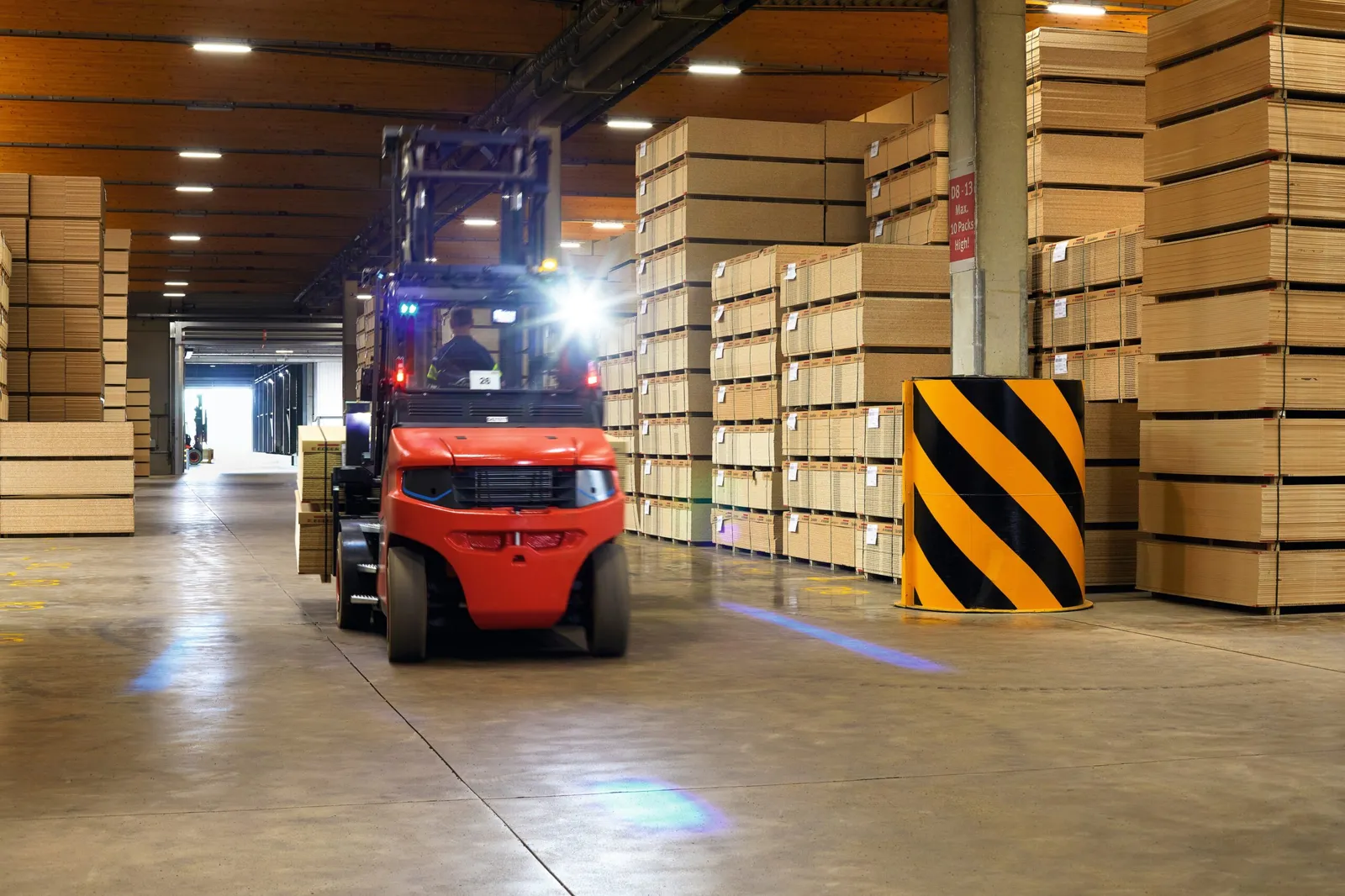
To further reduce its CO2 emissions, EGGER is investing heavily in electrification. Replacing gas- or diesel-powered forklifts with electric models has become a priority. Today, 40.5% of its in-house fleet runs on electricity.
The shift is also under way for company cars, 13.9% of which are now electric. By investing in innovative mobility solutions, EGGER is making its operations increasingly sustainable.
A vision for the future
At EGGER, sustainability is more than an ambition, it is a tangible reality. Through its climate action, circular approach, sustainable forest management and electrification efforts, the company is taking consistent action for a greener future. With clear targets for 2030, EGGER remains a leading player and an inspiration for reconciling sustainability with economic growth.
Question about this story? Ask your question
Keep following this
Get an email when a new story is published. No account needed.
- ThemeTimber and panels under pressure
- SubjectWoodworking