










The edgebanding sector demonstrates its innovative credentials
Texte : Marlies Decavel Photos : Robaco, Ostermann
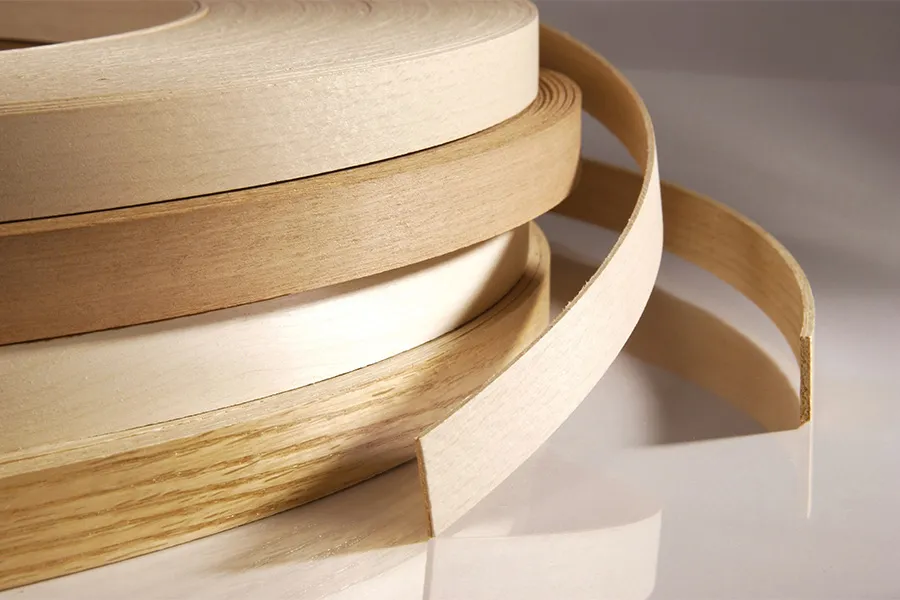
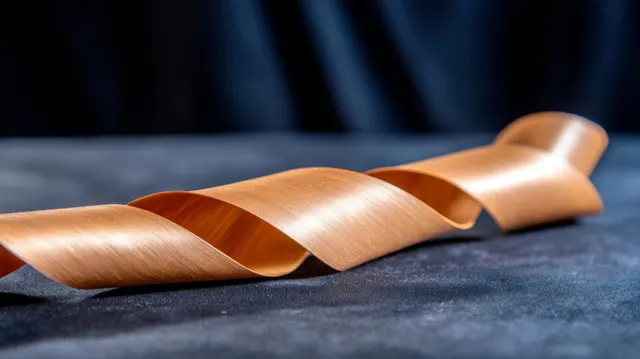
Edgebanding is essential to the furniture and interiors industry. Although it rarely changed in the past, we are now seeing gradual shifts towards eco-friendly, modern applications. These include optimised decors, adhesive-free alternatives and ongoing product development in response to the ever-changing panel market. With sustainability and outstanding quality assurance at the forefront, we envisage a future in which edgebanding will play a key role in creative interior and furniture design.
Innovative raw materials
Growing timber shortages, the current international and political situation, and increased focus on the circular economy are making the use of innovative raw materials ever more important. Secondary materials made from waste and by-products are increasingly being chosen, along with raw materials such as hemp, cork and coconut, and bio-based adhesives and binders. Panel manufacturers are also proudly showcasing a host of new decors and textures that meet these requirements. Although edgebanding does not change quickly, the way it combines with developments in the panel industry clearly plays a crucial role in shaping trends and applications in the sector. However, achieving full sustainability remains a major challenge for edgeband manufacturers. A perfect colour match often requires the use of virgin raw materials, making recycling difficult. Nevertheless, the sector is focusing on prototypes and updated techniques to develop high-quality, sustainable edgebanding too.
Adhesive-free edgebanding
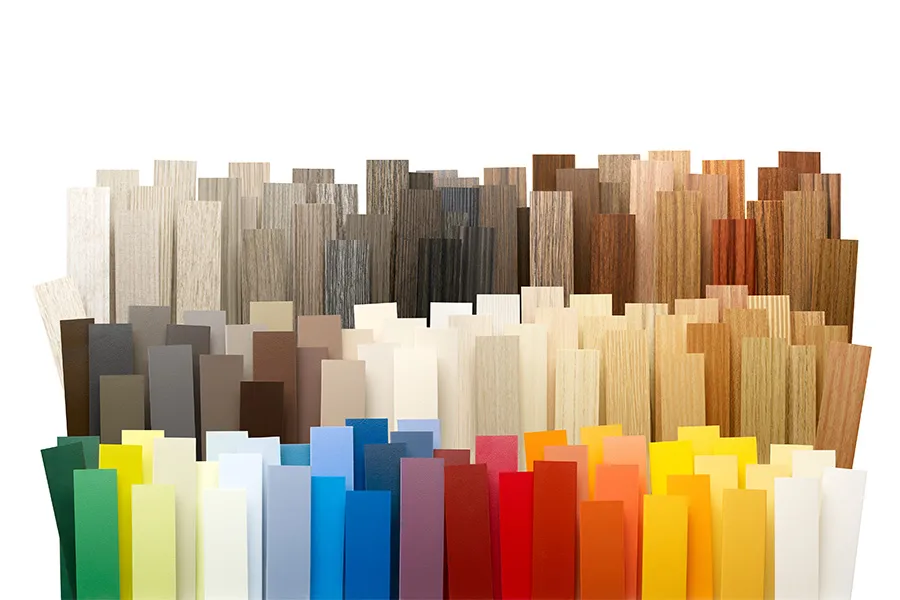
Adhesive-free edgebanding is also undergoing a revolution. The aim is to create a seamless bond between the panel and the edgeband. This delivers an attractive finish, with as little visible difference as possible between the panel and the edgeband. What is more, the joint is not only more attractive, but also more resistant to water, dirt and temperature changes. A boost for durability!
We are also seeing interesting developments in environmentally friendly adhesives and binders. These applications have been developed using substances naturally found in plant- and animal-based products. They protect nature, the environment and employees, while also ensuring optimum quality. All these valuable efforts by edgeband manufacturers are helping to green the economy. Belgian distributors are also keen to share these many applications with the regional market and suppliers.
On-trend finishes
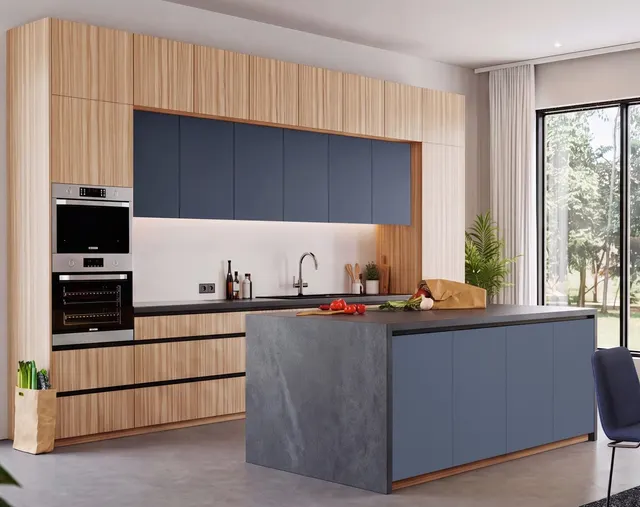
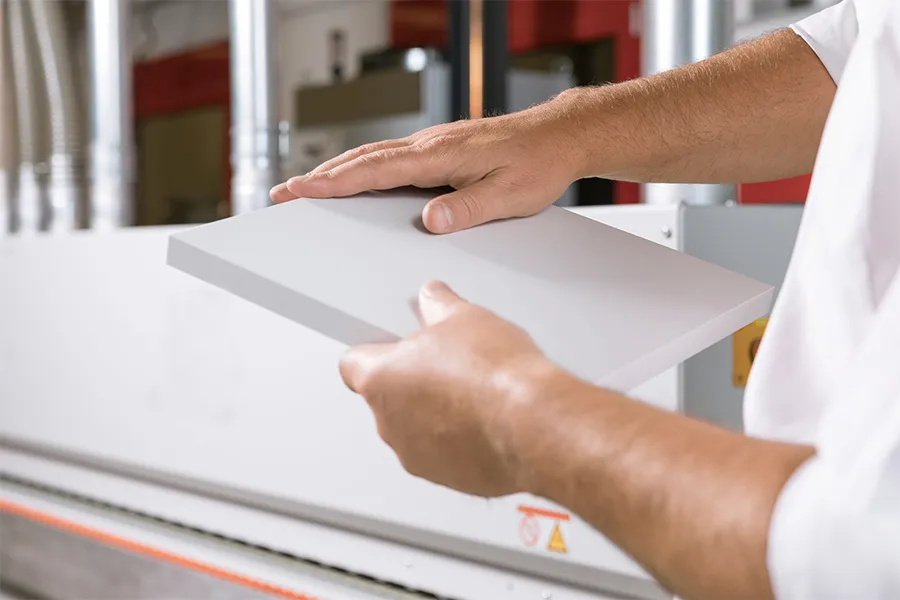
The wide range of colours and decors is another notable trend. Edgebanding is increasingly focused on soft colours, matt finishes and anti-fingerprint properties, while wood textures are also evolving. From light to dark grain, colour quality and texture must match perfectly to achieve the most harmonious result. By focusing on optimal product development that meets the changing needs of end customers, the sector is working to reduce overproduction and create more eco-friendly, attractive interior and furniture concepts. This, too, is part of a sustainable approach.
Customer focus and efficient services
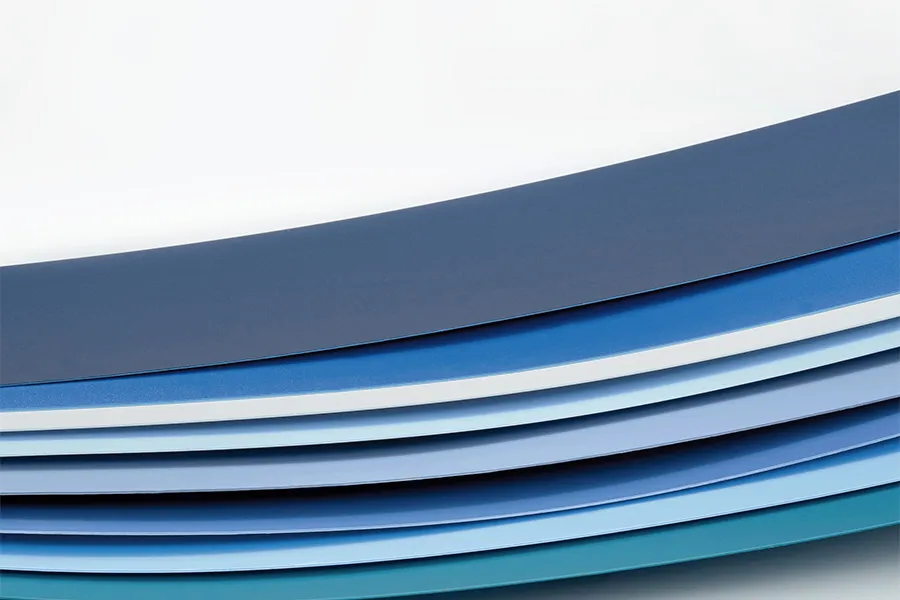
Alongside innovative products and practical applications in the sector, edgebanding specialists are also enhancing their services, from supplying edgebanding by the metre and offering exceptionally fast delivery times to providing bespoke decors. Optimising these processes means customers and suppliers can get the exact quantity of edgebanding they need, more quickly, to bring their projects to life. This once again reduces waste and pollution caused by unnecessary transport, while giving furniture and interior manufacturers more scope for creativity. This latest achievement shows that even the traditional edgebanding sector is moving towards innovation and climate neutrality. ■
Question about this story? Ask your question
Keep following this
Get an email when a new story is published. No account needed.
- ThemeFit-outs for changing needs
- SubjectProducts