










Modular Avonite solid surface seat
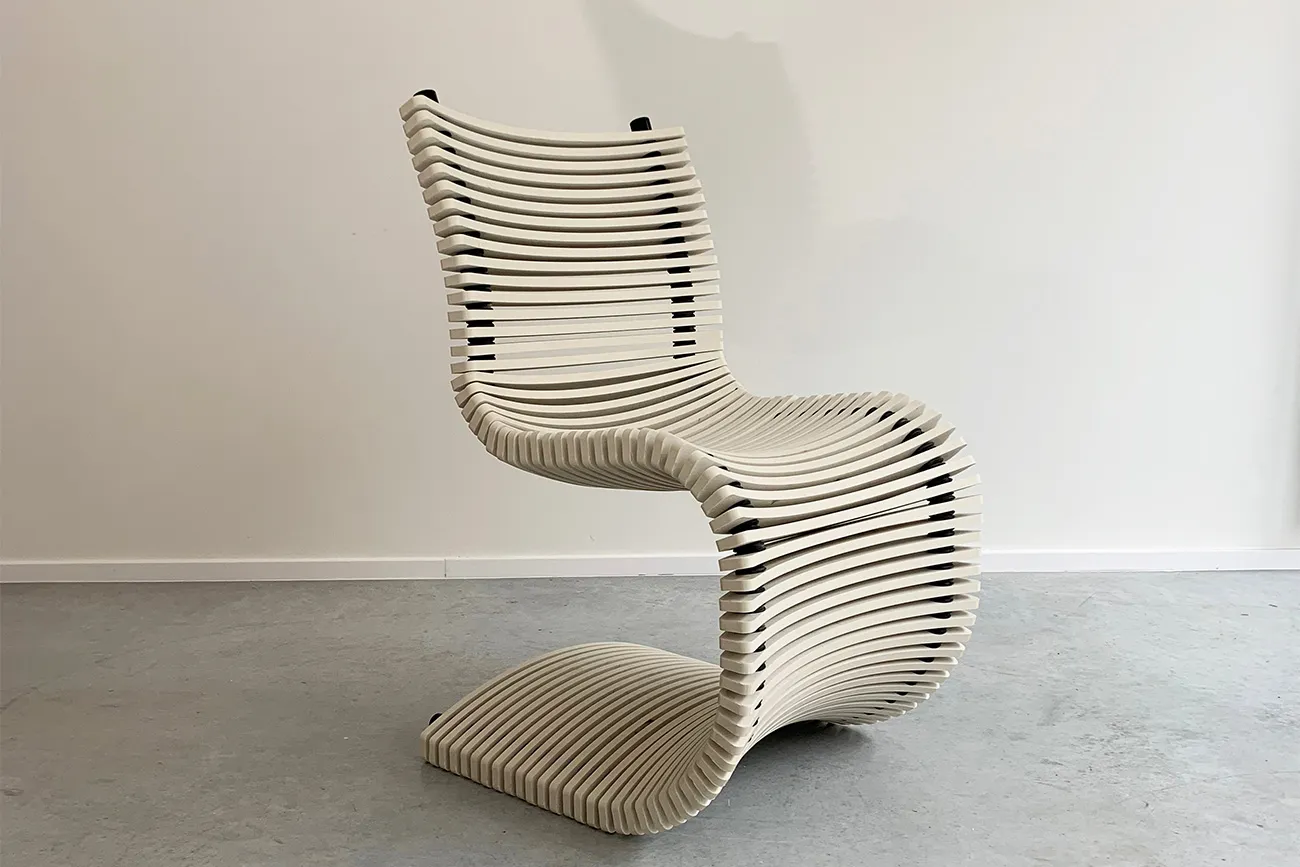
Interieur Kortrijk is taking a new direction this year. From 15 October to 14 November, the ‘Please, have a seat’ exhibition invites visitors to take a seat on chairs and seating by designers past and present. In collaboration with interior and furniture designer Benjamine Vleugels of Atelier Bens, Engels Surfaces presents the BENDIT seat in Avonite Bone.
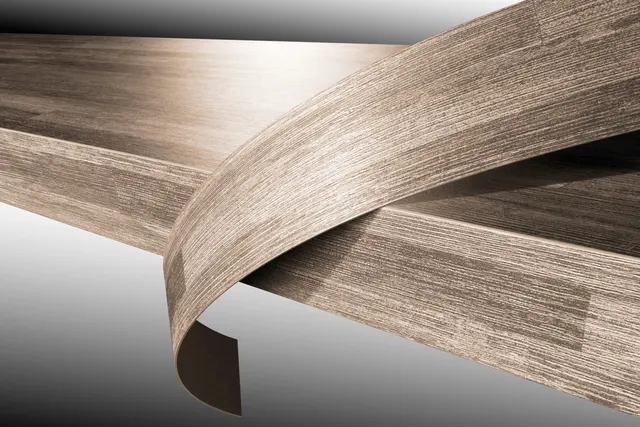
The design of the BENDIT looks simple: dozens of identical slats are threaded onto an S-shaped metal frame, with rubber spacers between them. “The successive movement of the slats creates an impression of both calm and dynamism,” explains designer Benjamine Vleugels, “while the curved shapes of the frame and slats, combined with the rubber spacers, make for an ergonomic seat that gently bounces when you sit down.”
A wider range of applications
The BENDIT is not a new design. Vleugels developed the seat several years ago, originally in wood. The organic, modular design immediately caught Engels Surfaces’ attention, and the distributor saw an interesting opportunity for a unique yet functional application of its growing range of solid surface materials. Vleugels was delighted to take on the project.
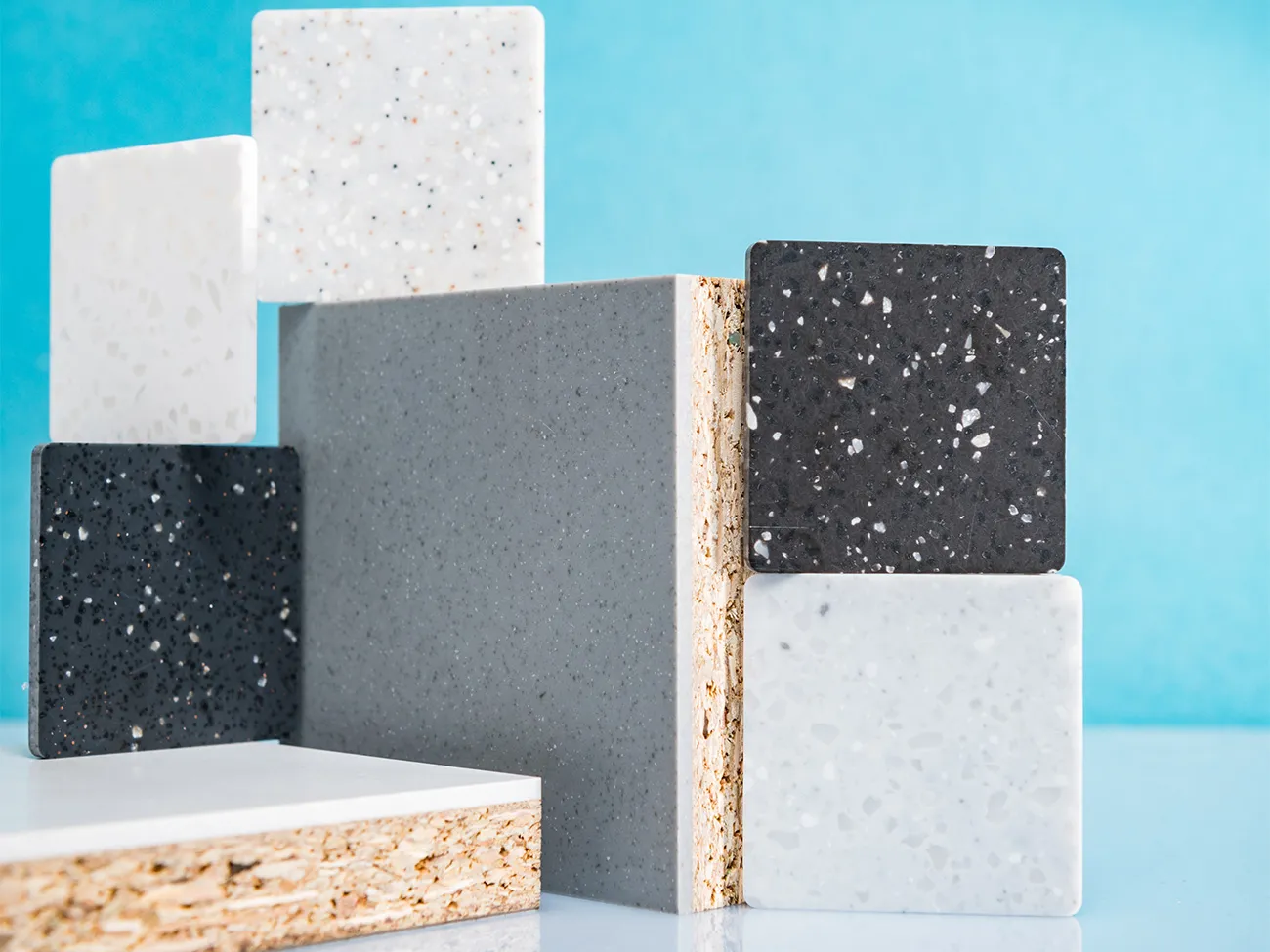
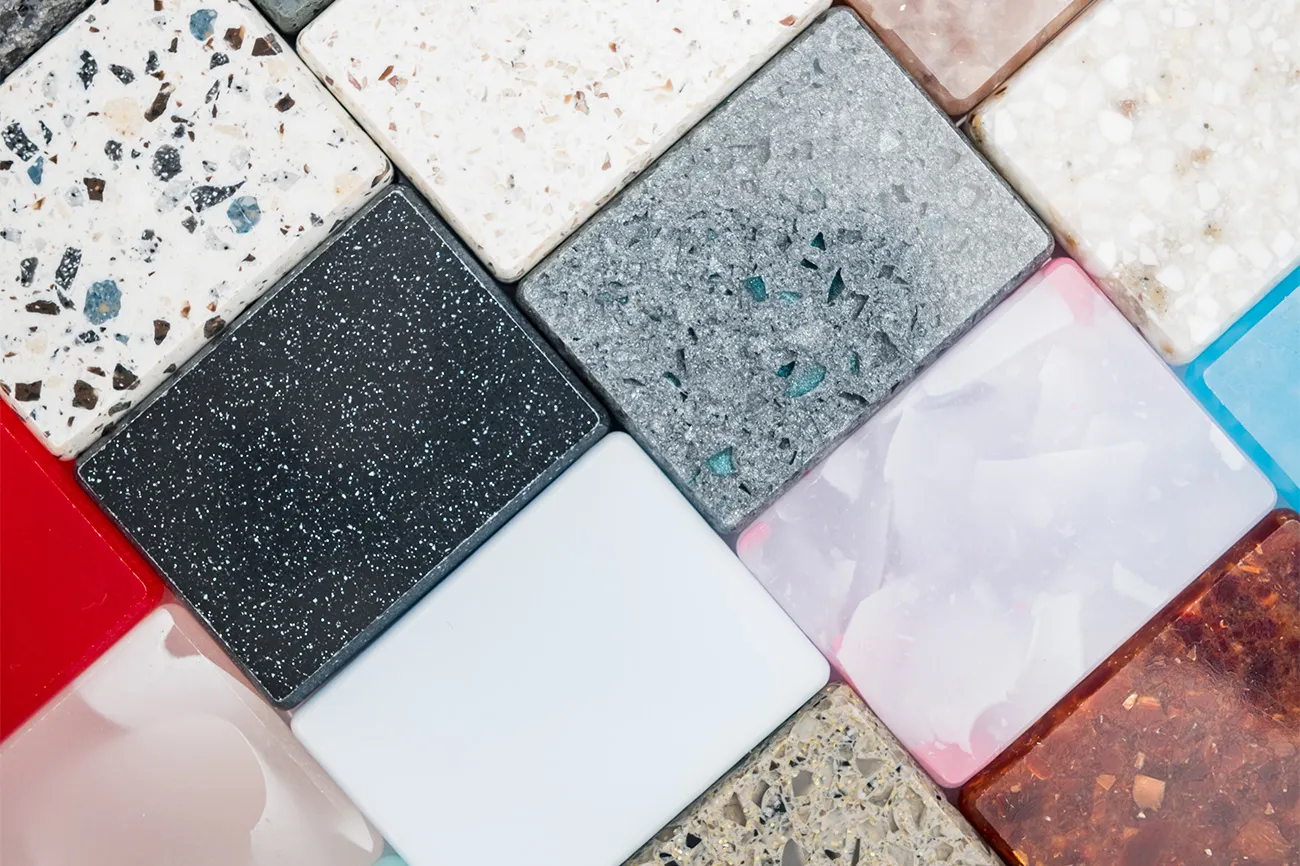
“I was already using solid surface regularly for furniture finishes and kitchen worktops, and I immediately saw the advantages of a solid surface BENDIT seat. The birch plywood I used for the original model, for example, is not suitable for outdoor use. Solid surface, on the other hand, is non-porous, so it can be left outside in all weather and is also extremely easy to maintain. The Avonite range also offers a wide choice of colours and textures. For Interieur Kortrijk, we opted for Bone, a neutral cream shade, but the BENDIT seat can in principle be fully customised to the customer’s requirements.”
A different design, but the same production process
According to Vleugels, producing the BENDIT and working with Avonite solid surface are no different from the original wooden version. “It still combines handwork with mechanical preparation. Just like the plywood slats, the solid surface slats are first milled to the right, consistent shape. I then slide them onto the metal frame by hand, using rubber spacers.”
Vleugels has, however, made a few minor changes to the original design. “Unlike wood, which allows considerable freedom in terms of material thickness, solid surface is limited to standard thicknesses. In this case, for example, I use a thickness of 12 mm, slightly less than the plywood in the original design. This has no effect on strength, but it means I need 75 slats instead of 68 for each seat, and the radius of the metal frame had to be adjusted slightly to match.”
Durable modularity
Avonite’s robust, scratch-resistant properties were a decisive factor in the decision to develop a solid surface version of the BENDIT. “The result is an extremely durable seat,” says Vleugels. “Combined with its modular design, I would even say that this seat has an unlimited lifespan. If a slat is damaged, it can easily be replaced with a new one.”
Question about this story? Ask your question
Keep following this
Get an email when a new story is published. No account needed.
- SubjectNews