










Contemporary interior design: the return of panelling
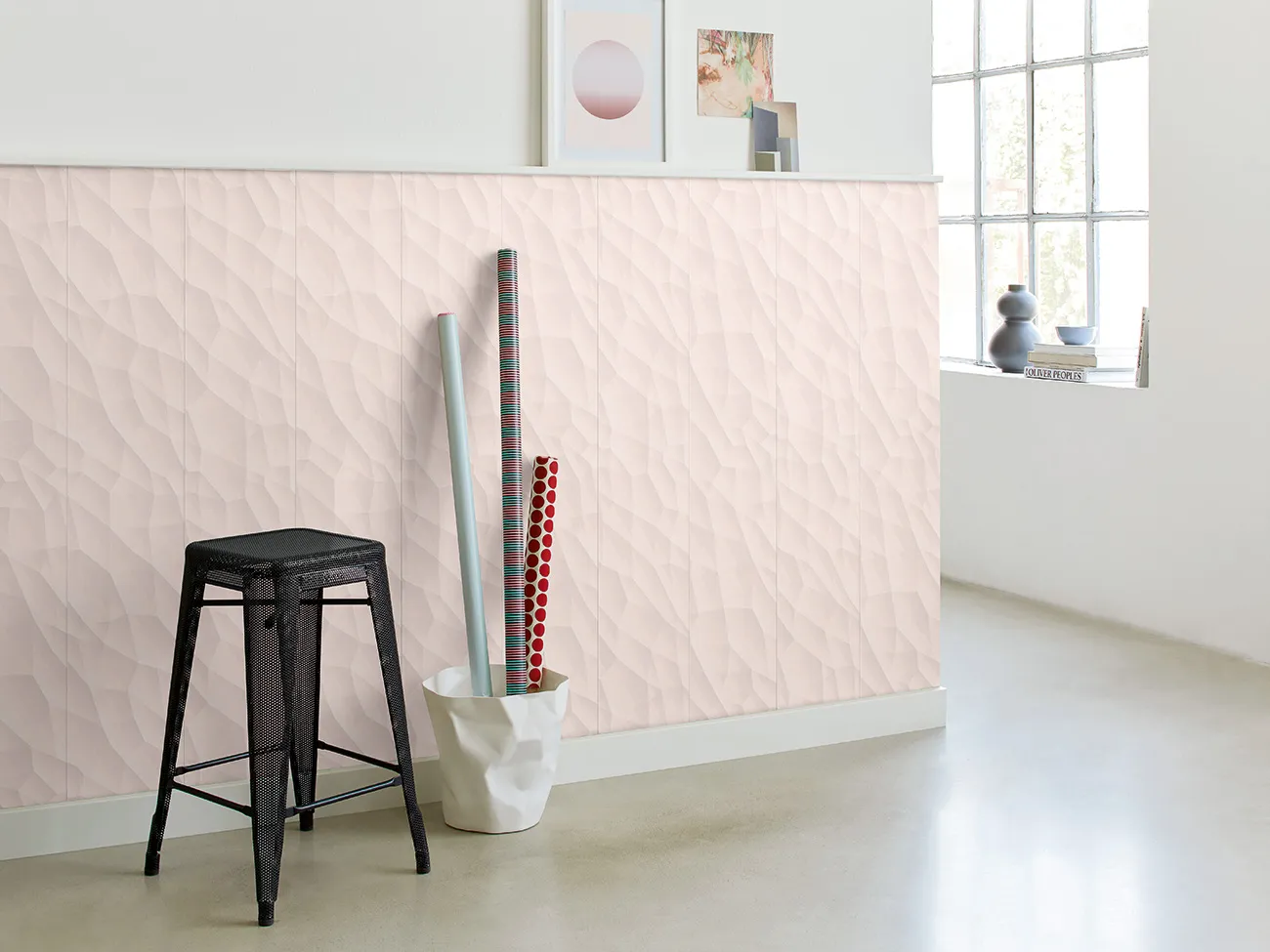
In the 1970s and 1980s, ceiling panelling was a fixture of interior design. Whether in understated white or with a natural wood look, it brought a cosy feel to rooms and served functional purposes, for example when renovating older buildings. But then traditional wall and ceiling panelling fell out of fashion and gradually acquired an image as a rustic, dated product. Today, wood panelling is making a strong comeback, once again becoming a favourite among interior designers with an eye for contemporary design and modernity.
“As part of the ongoing retro trend, panelling is also making a comeback,” says Christian Ebbing, product manager for walls, ceilings and accessories at Parador. The possibilities for use and design are extensive. “On the one hand, wall decoration is generally a major theme at the moment; on the other, the property boom is driving demand for quick, smart solutions, particularly for older buildings and renovation projects,” the specialist explains. The relatively easy installation of panelling solutions is a key factor. As a quiet acoustic option, panelling also makes an important contribution to sound insulation in older buildings.
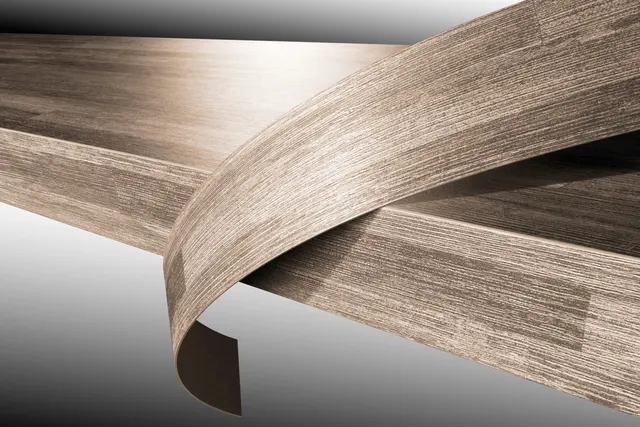
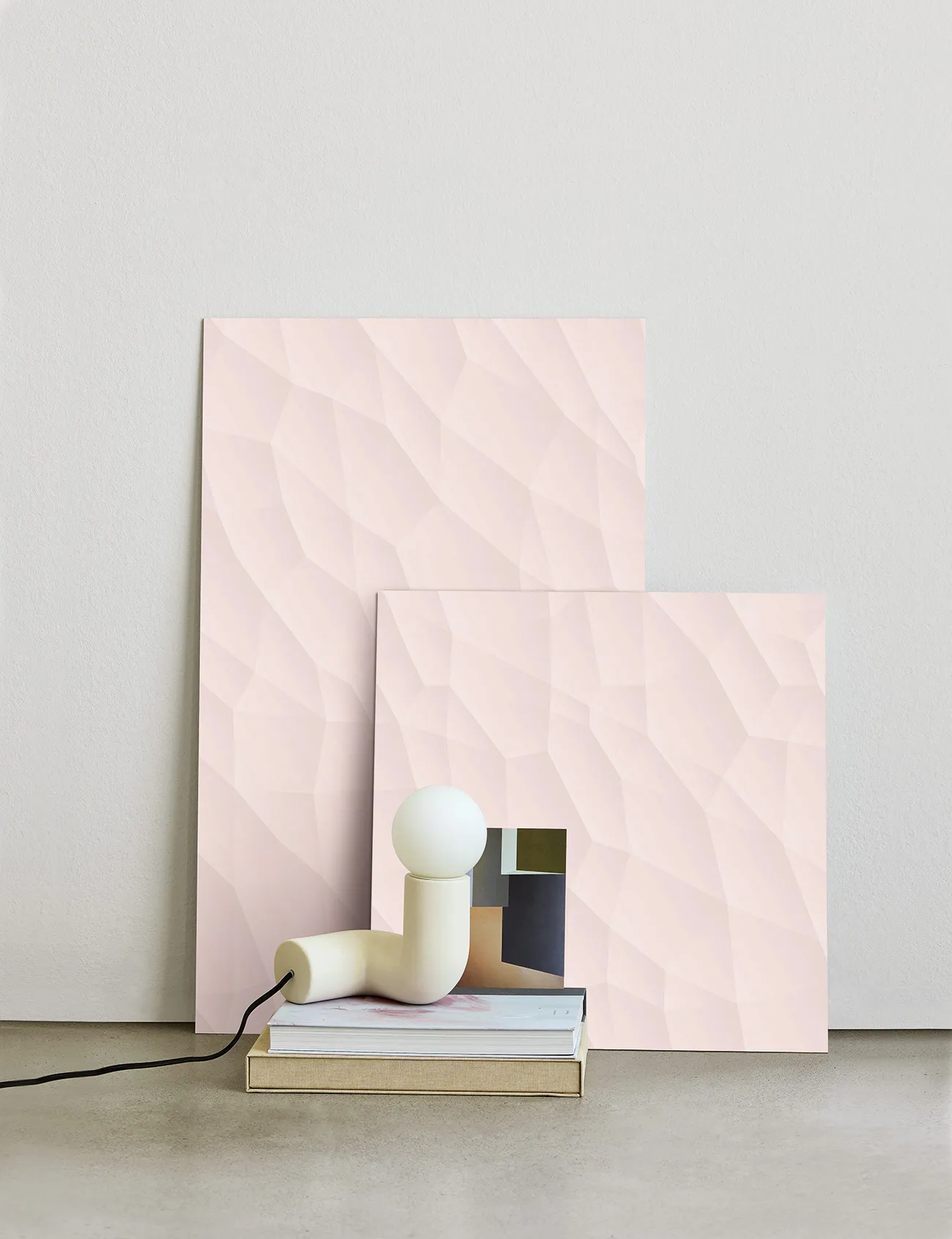
Whereas panelling was often used across entire surfaces in the past, sometimes creating a heavy, almost enclosed feel, it is now used to highlight specific areas. Expressive designs, such as “Polygone Iconics” in grey and powder tones from Parador’s RapidoClick product range, are used above all to draw the eye. Inspired by the Japanese art of origami, the fine design is three-dimensional and recalls the crackled effect of ceramic tiles. The interplay of elegant lines, soft angles and vivid yet understated colours creates a lightness that brings a cheerful feel to the room.
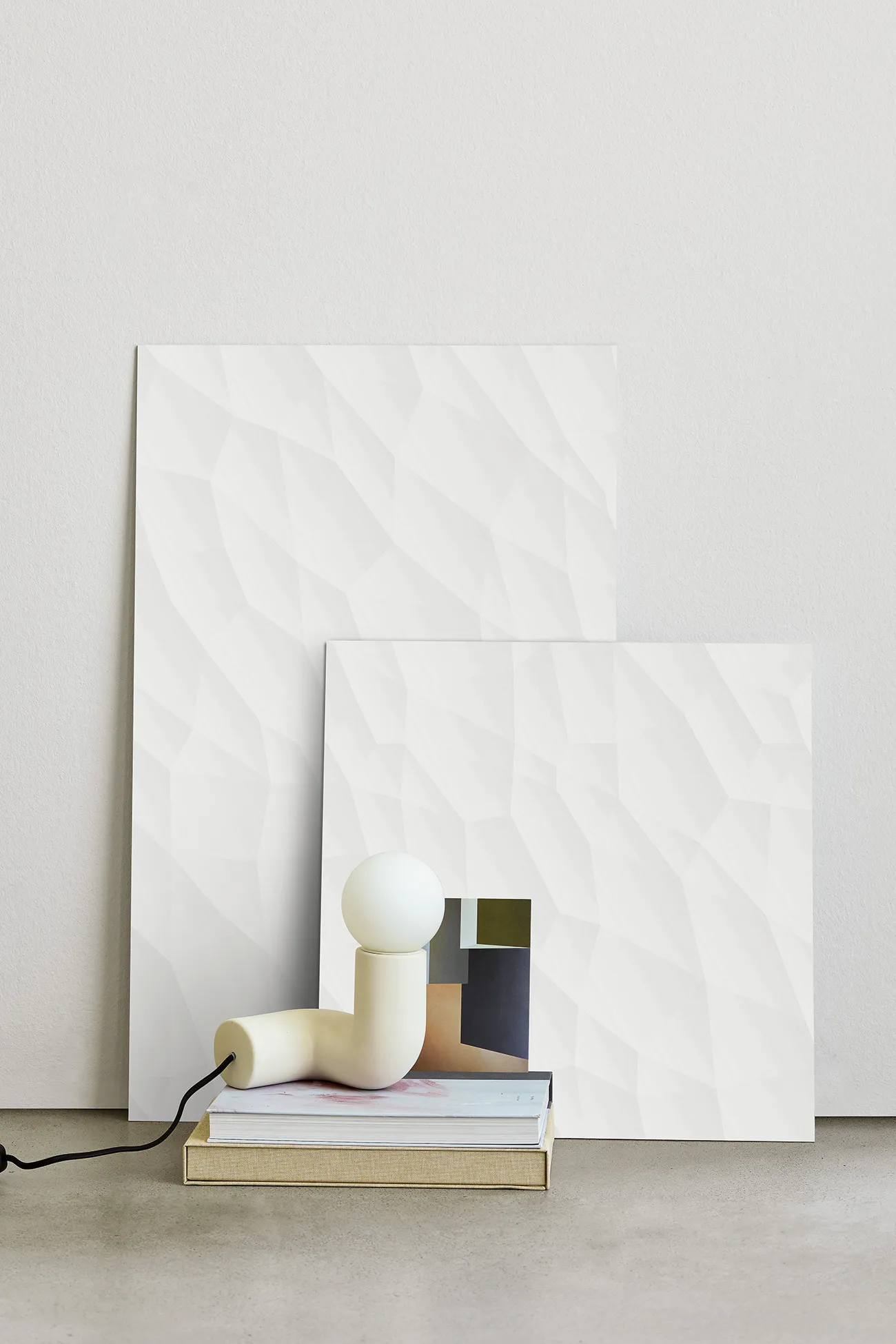
Trend-conscious consumers are increasingly turning to real wood panelling, which has a particularly natural yet elegant appearance and is therefore a perfect fit for the much-loved Scandinavian style as well as the Midcentury look. The undisputed bestseller is also highly popular: white panelling, which adds subtle accents.
“We are currently working on new ideas and concepts to meet growing demand for products for decorating walls and ceilings,” says Christian Ebbing. The strong growth in this sector last year shows that panelling has moved beyond its niche and is back. Its success story continues.
Question about this story? Ask your question
Keep following this
Get an email when a new story is published. No account needed.
- ThemeFit-outs for changing needs
- SubjectNews