










A second life for waste wood
Making the wood sector more sustainable is the aim of Wood-Design. Over two years, five designers teamed up with five companies active in the wood industry to explore new uses for wood residues. The result? Innovative products and services, one of which even won an award at the Henry van de Velde Awards. Here’s a closer look!
There’s a saying that little streams make great rivers. The same is true of the transition to a more circular economy and a more sustainable society. With Wood-Design, a project supported by Vlaanderen Circulair, BOS+, Flanders DC and Hout Info Bois set out to find out whether the wood and design sectors could contribute, even on a small scale. How can natural resources be used more sustainably, in this case the by-products of the wood industry?
At present, wood residues are mainly processed into particleboard, used as an energy source or composted. Are there other possibilities? The project aims to inspire the sector and encourage it to come up with alternatives.
Deadwood and biodiversity
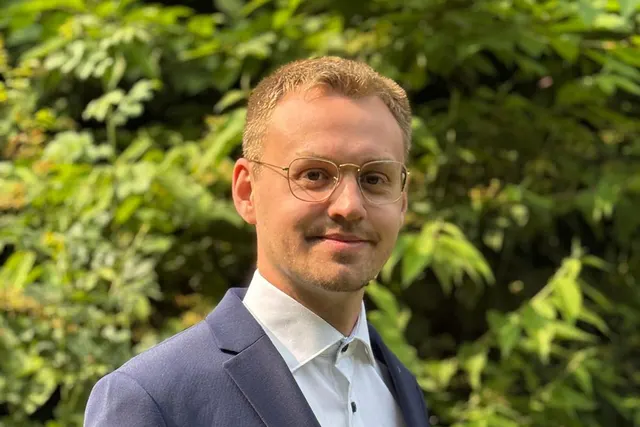
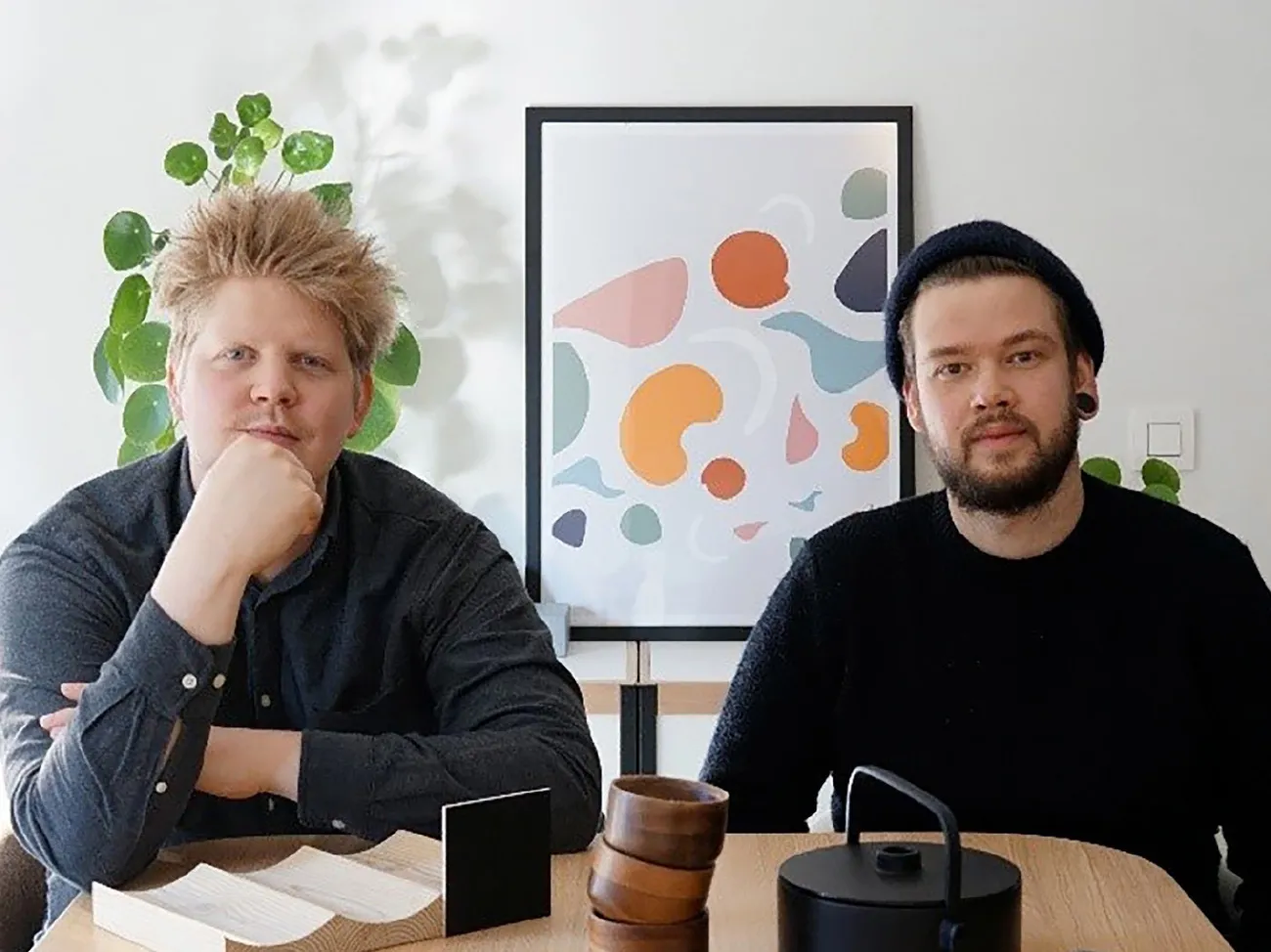
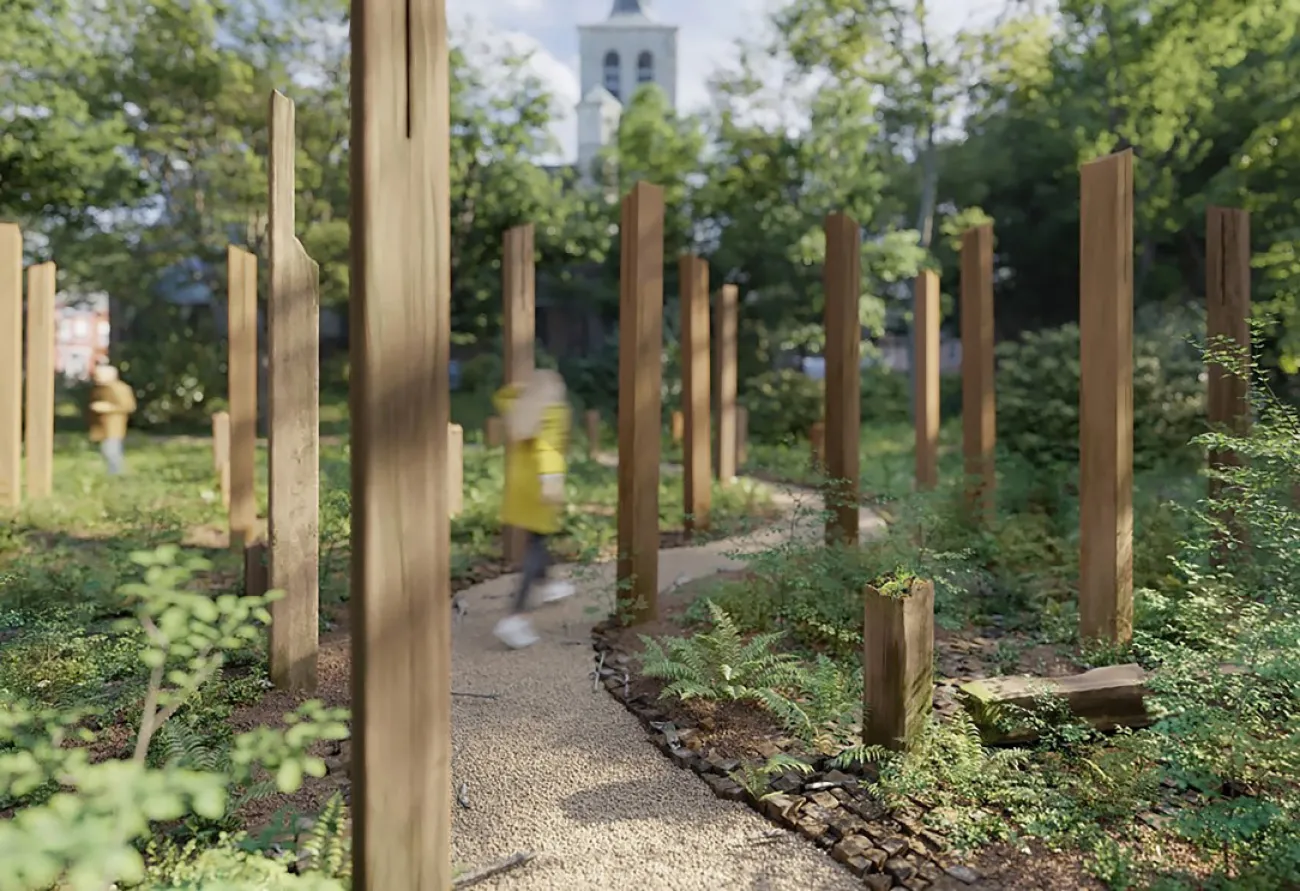
We spoke to Giel Dedeurwaerder, an industrial product designer who, together with furniture maker Brent Neve, forms the duo behind the research platform Utilise.objects. For the Wood-Design project, they worked with waste from forestry company and timber merchant Cohout. Their shared enthusiasm gave rise to two ambitious projects. Giel: “Our first project focuses on deadwood, particularly its benefits for biodiversity. Fortunately, deadwood already has a more prominent place in forest management today, with all the benefits that brings. But we want to go further and extend its use to towns and villages, with an installation of beams made from different types of wood waste. It’s not just an art installation, but a structure that nature will eventually reclaim. This will make towns and municipalities a little greener.”
Henry van de Velde
Private gardens are also part of the picture. As part of the same biodiversity project, Utilise.objects designed three objects made from waste timber from sawn tree trunks. Each object in the series, Wand, Bodem and Staand, literally ‘wall’, ‘ground’ and ‘standing’, is intended for a different group of insects found in gardens. “Bark is actually the most interesting part of a tree for insects, and is therefore very useful,” we are told. These insect hotels combine a high level of design with practicality, creating an aesthetically pleasing set. That was enough to earn the project the bronze medal in the Environment category at the Henry van de Velde Awards 2022.
Giel: “The Dutch design label Weltevree has expressed interest in bringing the product to market in 2023.” To be continued!
Poplar, an underrated native tree
The second project focuses on adding value to poplar. “Today, poplar wood is used mainly in the match industry and to make fruit crates, and has little presence in the interior design or construction sectors. We want to tackle poplar’s negative image and explore practical ways forward.” The past offers inspiration here, since poplar was used, among other things, to make furniture in the Middle Ages. “We carried out experiments, including with a laminating machine, and managed to compact the surface of poplar and create new composites. In terms of applications, we designed CLT panels for mass timber construction, as well as multilayer boards for furniture. We also tested ways of colouring poplar, with positive results.” What’s more, while until now only the poplar rootstock had been used, the central trunk of this fast-growing native tree is ideally suited to these new uses. In short, less wood waste and more sustainable applications.
Furniture with surprising design
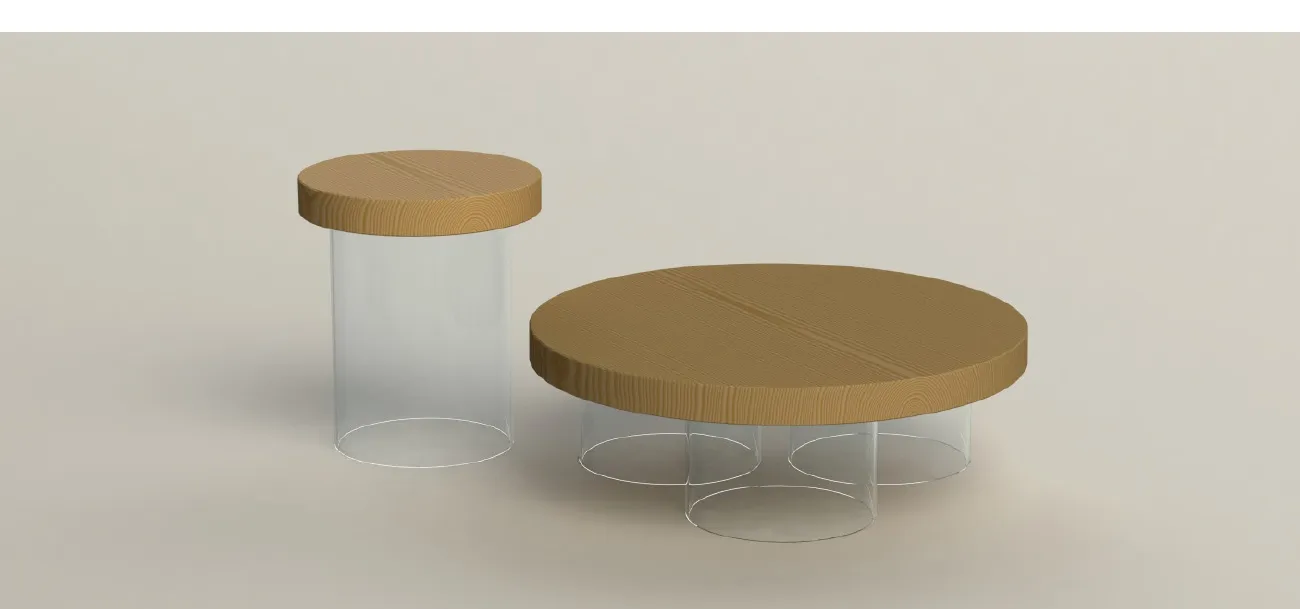
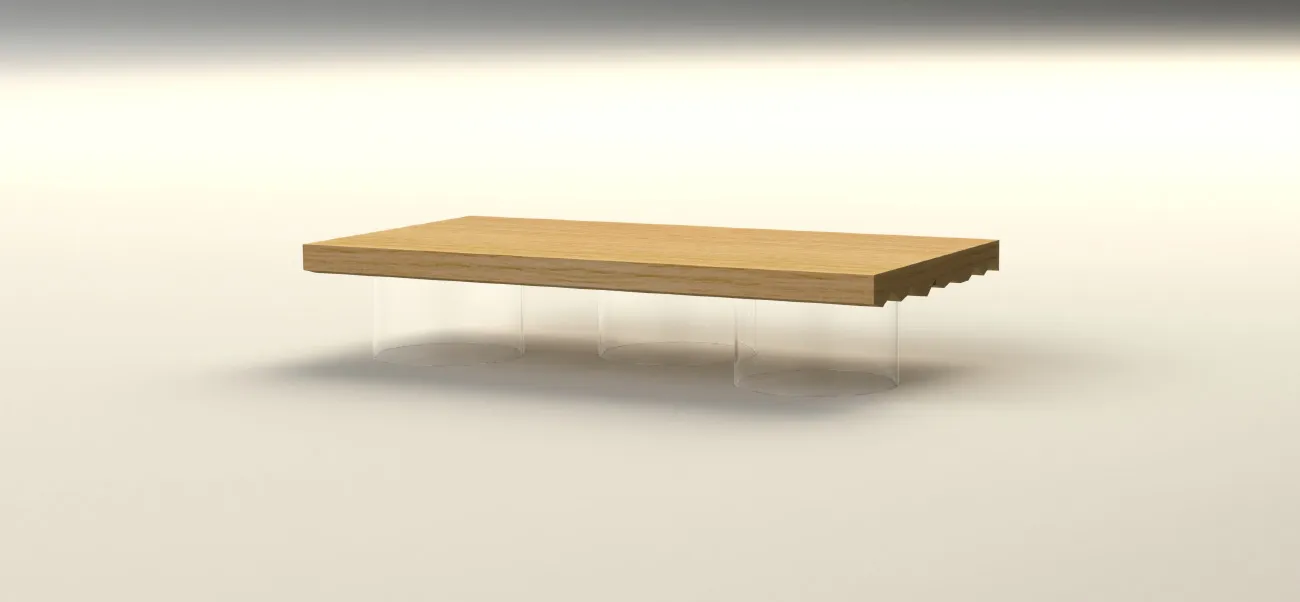
The Wood-Design project benefited from the very different and surprising approaches of each designer. Working with furniture maker Steven Gauwberg, designer Frederik Delbart used surplus dried oak from sawmill Thys Hout to create two furniture collections. He combined the wood with a base made of large transparent borosilicate glass tubes, creating the impression that the solid boards are floating. Studio Plastique, formed by Archibald Godts and Theresa Bastek, explored residual streams from timber merchant Houthandel Vercruysse and designed +52, a wooden step stool that can also be used as a seat. The piece is designed to be made from different types of wood. Its thickness can therefore vary to ensure strength, naturally resulting in variations in colour and texture.
Original concepts
Industrial product designer Ellen Comhaire, who teamed up with softwood sawmill IDE Woods, also took her own approach. She developed Tranquilitree, ‘cushions’ that help trees stay healthy in the first few years after planting. These ‘pads’ are made from low-grade local waste streams, are circular in every respect and protect trees from drying out and competing vegetation. Finally, there’s Nauwau, a project by designer Rayah Wauters and arborist Niels Arnauts, in collaboration with forestry company and timber merchant Marc Goossens. With a nod to Tinder, they came up with Timbr, a platform that connects timber supply and demand at the click of a button. It brings suppliers of solid wood (and wood waste) together with buyers. Whether you’re a designer, joiner or DIY enthusiast looking for timber, the app automatically suggests the best batch based on a number of criteria, including wood type, thickness, length, origin and moisture content. Alongside its commercial function, Timbr also aims to inform, inspire and promote the use of local timber. In short: one theme, five designers and results that show sustainability really does pay off.
Question about this story? Ask your question
Keep following this
Get an email when a new story is published. No account needed.
- SubjectNews