









A closer look at external joinery
Texte : Majorie Desmet
Doors and windows are crucial to a building’s appearance, comfort and energy performance. Clients and legislators alike are raising the bar. To stay competitive as a professional, you need to keep up with technological, legal and aesthetic developments. Your role is evolving, from simply carrying out the work to becoming a fully fledged knowledge partner.
Energy efficiency is now an essential requirement. Tighter requirements for the energy performance of buildings (EPB) and the associated certificate are driving strong demand for high-performance external joinery. Whereas double glazing was once the norm, high-performance (HR) glazing is now considered the minimum requirement. And for good reason: HR glazing insulates two to three times better than standard double glazing and even four to five times better than single glazing. Triple glazing performs better still.
Energy as a key criterion
Doors and windows must therefore not only look good, but also deliver satisfactory energy performance. Homeowners who fail to meet the standard risk fines under EPB regulations or a lower energy rating, which directly affects resale value. But regulations are not the only reason property owners are taking action. Energy costs have a direct impact on consumers’ wallets. At a time when governments are once again cutting grants, consumers are looking more than ever for tangible savings.
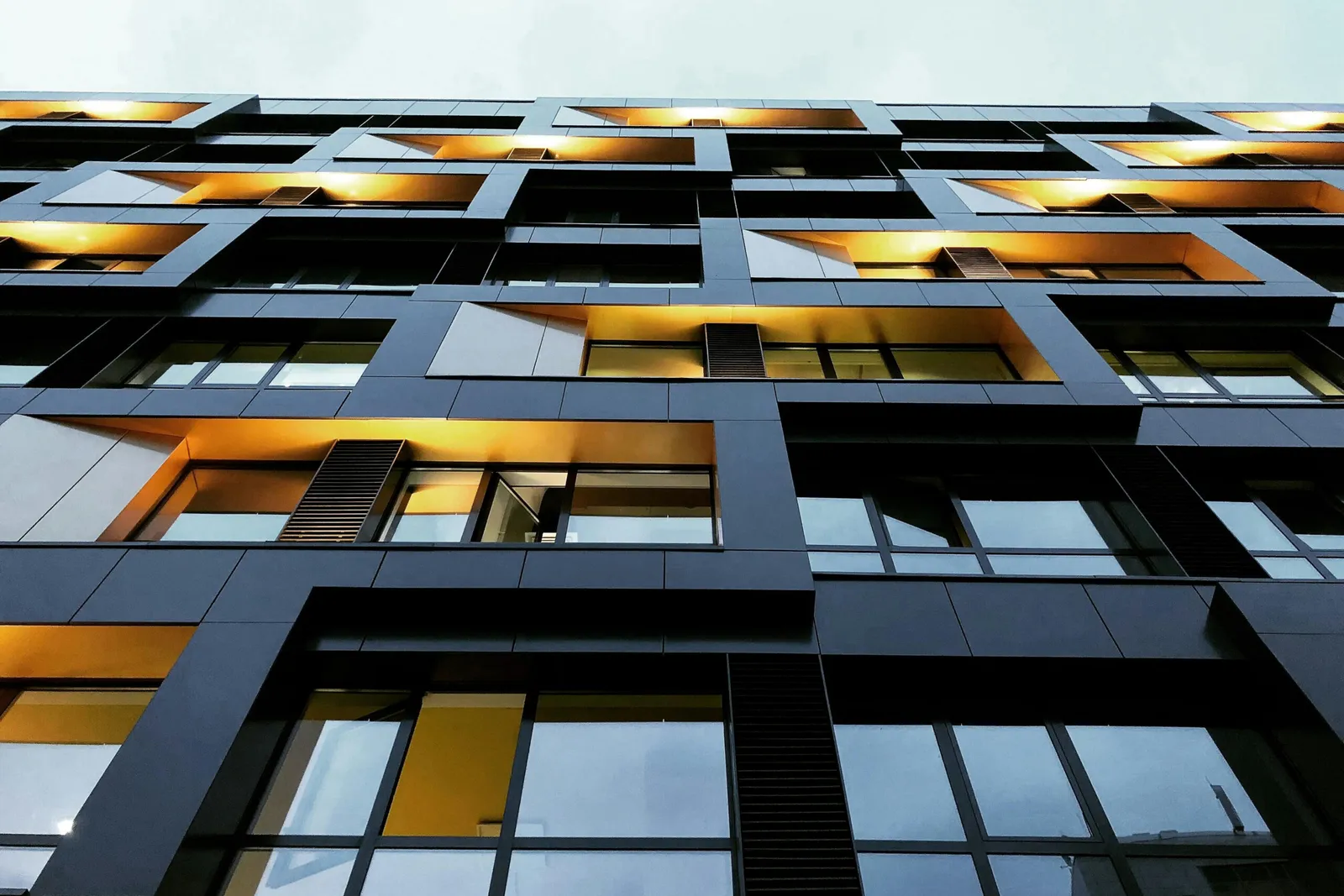
On average, around 20% of heat escapes through the façade.
Average-quality joinery, gaps and thermal bridges lead to heat loss and therefore extra costs. This is where the joiner can make a difference with a strong product range, precise installation and an airtight finish. As energy performance becomes increasingly important, joiners are taking on an additional role as advisers and knowledge partners. Clients expect them to think things through with them and put their technical knowledge into practice professionally.
The materials mix
When choosing external joinery, clients consider three factors: aesthetics, performance and budget. A versatile product range that strikes the right balance between all three is therefore essential in today’s market.
Aluminium and PVC have dominated sales for a long time. Aluminium is particularly popular for its slim profiles, strength and luxurious appearance. But it faces growing competition from PVC, which offers excellent thermal performance as well as easy maintenance and an attractive price. Another advantage is that PVC is now available in every colour imaginable, and even with a realistic wood-effect finish. Natural wood remains a popular material too, although mainly in private residential construction, thanks to its warm appearance and natural insulating properties.
For a long time, it was standard practice to use the same material for all the external joinery on a building, but the preference for uniformity is becoming less pronounced. An aluminium sliding window, PVC frames and a wooden front door? Such combinations are no longer unusual, although they have their supporters and detractors. Hybrid solutions, such as aluminium on the outside and wood on the inside, are also proving popular. The front door continues to receive special attention as the home’s calling card. Since it is used every day by residents coming and going and to welcome visitors, it is not necessarily where consumers look to cut costs.
Consumers are also becoming more critical of the origin of materials. For timber joinery, FSC- and PEFC-certified species are an obvious choice. PVC, meanwhile, can be reused up to eight times without any loss of quality, while aluminium stands out for its exceptionally long service life. The choice of materials is no longer just a matter of aesthetics and price: it is also an environmental responsibility.
Show your colours
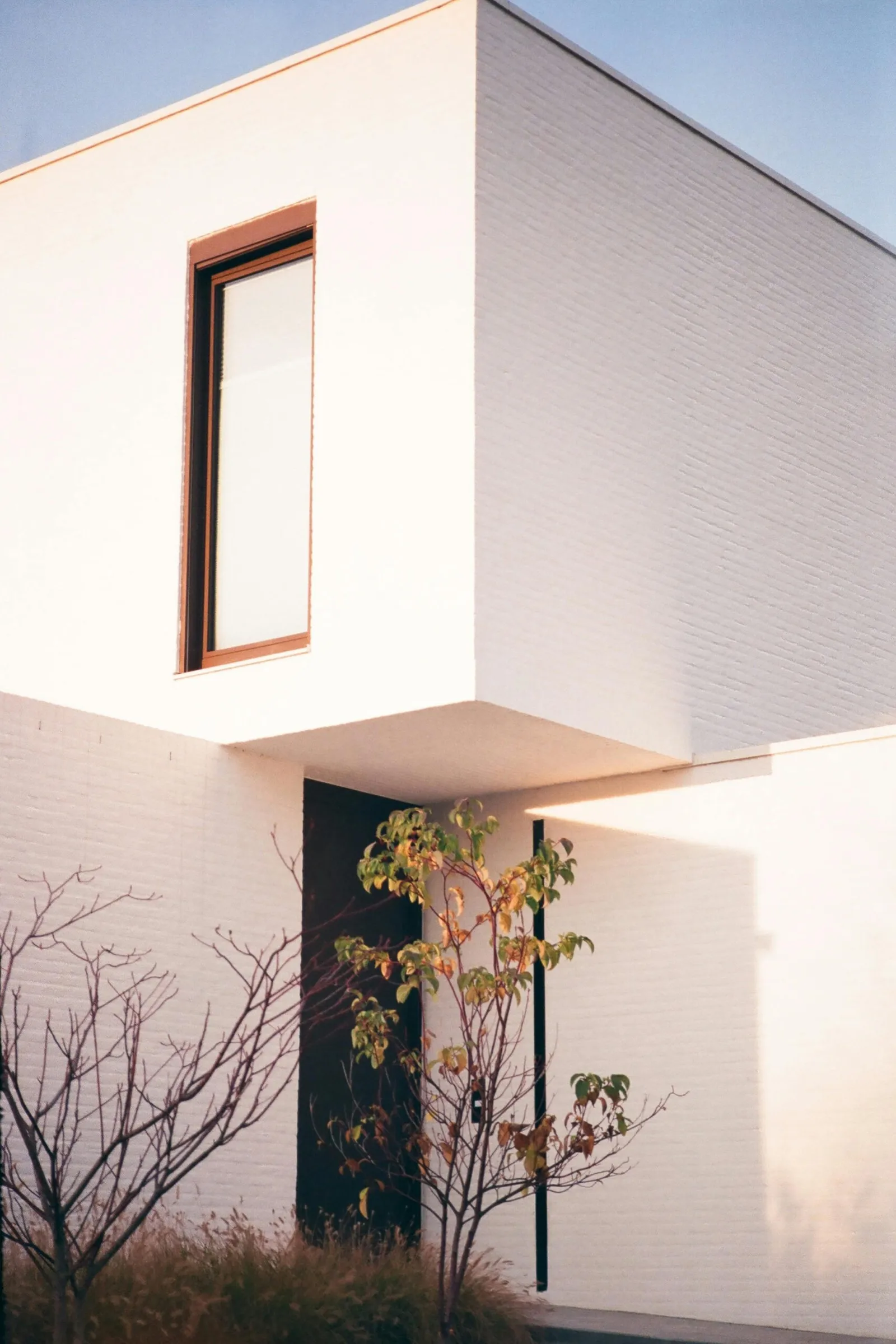
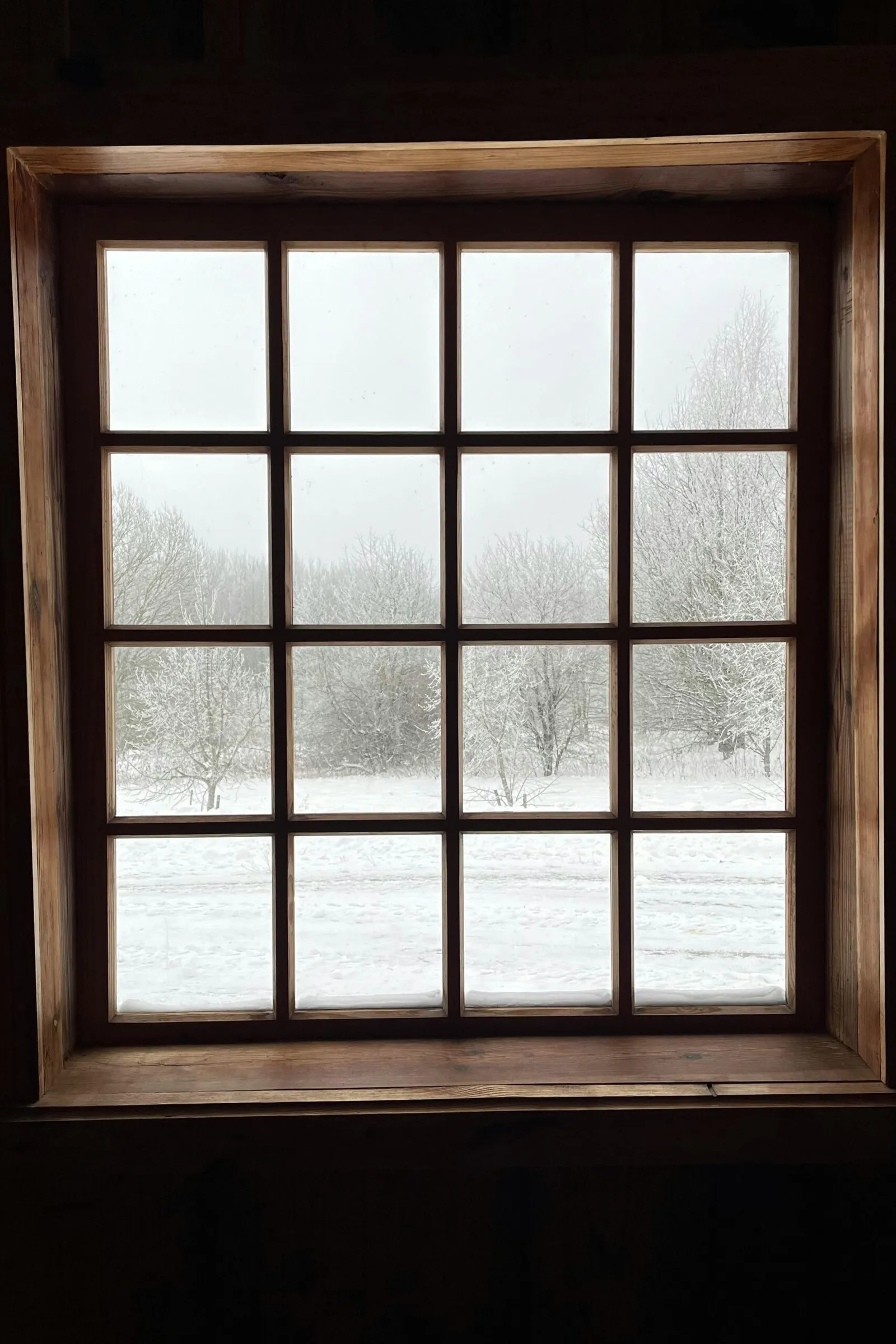
Today, architects and clients are opting in large numbers for slim profiles and generous glazed areas that flood interiors with light. From minimalist sliding windows with integrated tracks to doors with concealed hinges and flush floor-to-profile connections, the aim is to create the greatest possible connection with the outdoors, without obstacles. But such technical feats call for meticulous preparation, perfect made-to-measure work and collaboration with other construction professionals, such as tilers, bricklayers and ventilation specialists.
Black, and its various shades, remains the undisputed colour leader. It pairs beautifully with industrial and modern architecture, where simplicity and minimalism set the tone. But it can also work well on rural homes: classic brick, a pitched roof and touches of wood blend harmoniously with the more contemporary note of dark frames, often fitted with glazing bars for added character. In keeping with the minimalist look, neutral white also works well in buildings, particularly indoors. It creates a sense of calm and fits perfectly with the trend for natural, soothing interiors where residents can unwind after a busy day.
Alongside this restrained palette, interest in colour is growing. In these difficult times, people sometimes want to add a little cheer and express themselves in their homes. Every RAL colour is now being considered, which no longer comes as a surprise. Paired with a painted façade or coloured render, these shades add lively, personal touches that spring up here and there to brighten the urban landscape.
The digital revolution
Digitalisation is also bringing a major shift to the world of doors and windows. CAD/CAM systems, CNC milling machines and 3D configurators make production and preparation faster, more precise and less prone to error. Clients now expect more than a standard quotation: they want realistic visualisations or BIM models that fit seamlessly into the overall project. Businesses unable to offer these services are falling behind. Another point worth noting: virtual reality is no longer science fiction. Increasingly, clients want to walk through the home they are creating and see how their choice of doors and windows affects the interior and the light.
Want to keep standing out as a professional? Then don’t rely on your craftsmanship alone. Tomorrow’s clients are looking for a partner who thinks things through with them, anticipates their needs and is confident enough to offer advice. In other words, a knowledge partner with plenty of ideas who knows how to use the tools.
Question about this story? Ask your question
Keep following this
Get an email when a new story is published. No account needed.
- ThemeHigher-performance external joinery
- SubjectNews