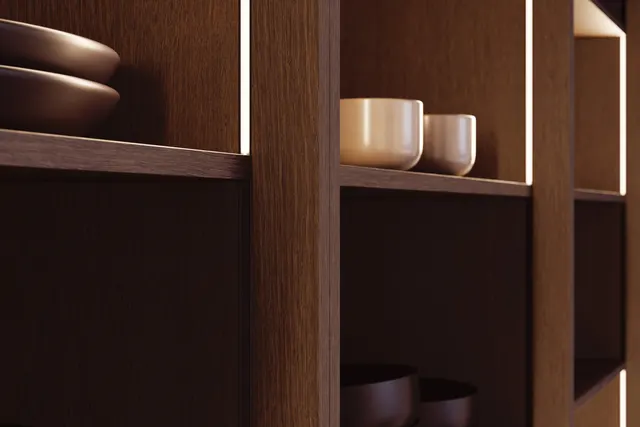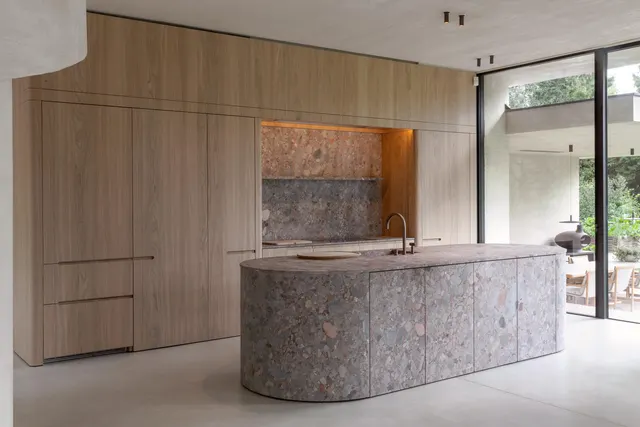











Poplar: the ideal partner for a sustainable interior
Texte : Wendy Thijs Photos : Laurent Brandajs
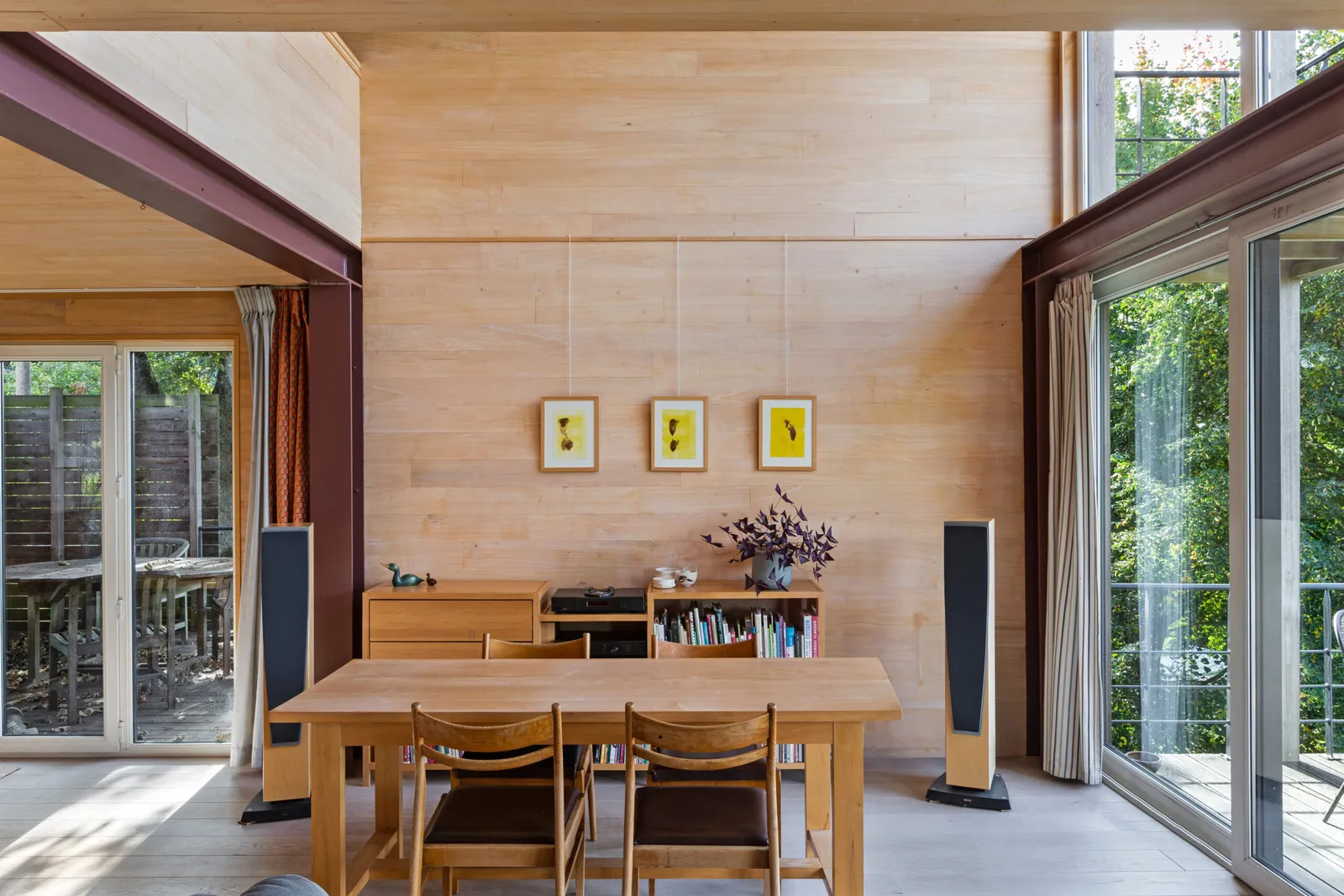
Wood is a heterogeneous material: every species behaves differently. Choosing species you know well is a logical approach, as you know exactly how to work with them to bring your project to life. However, it can be worth considering other options, whether for ecological, economic or creative reasons. Because the unfamiliar is often underestimated, we are putting the spotlight on a wood species worth a closer look: poplar.
It is now well established that wood is an environmentally friendly material. The CO2 absorbed by a tree during its lifetime remains stored in the wood after felling and processing. This means that CO2 emissions from the production process are offset, resulting in a carbon-neutral footprint. What’s more, choosing a local species such as poplar reduces the need for transport, further minimising its environmental impact.
An ecological and economical choice
Poplar grows well in Belgium. The different varieties can be crossbred, and careful selection has made it possible to develop clones with properties ideal for timber production: rapid growth, straight trunks, and resistance to fungi and insects. This makes poplar one of the most profitable species in Belgium’s forests. Although harvesting has declined in recent years, poplar remains abundant and is still an excellent option for timber production.
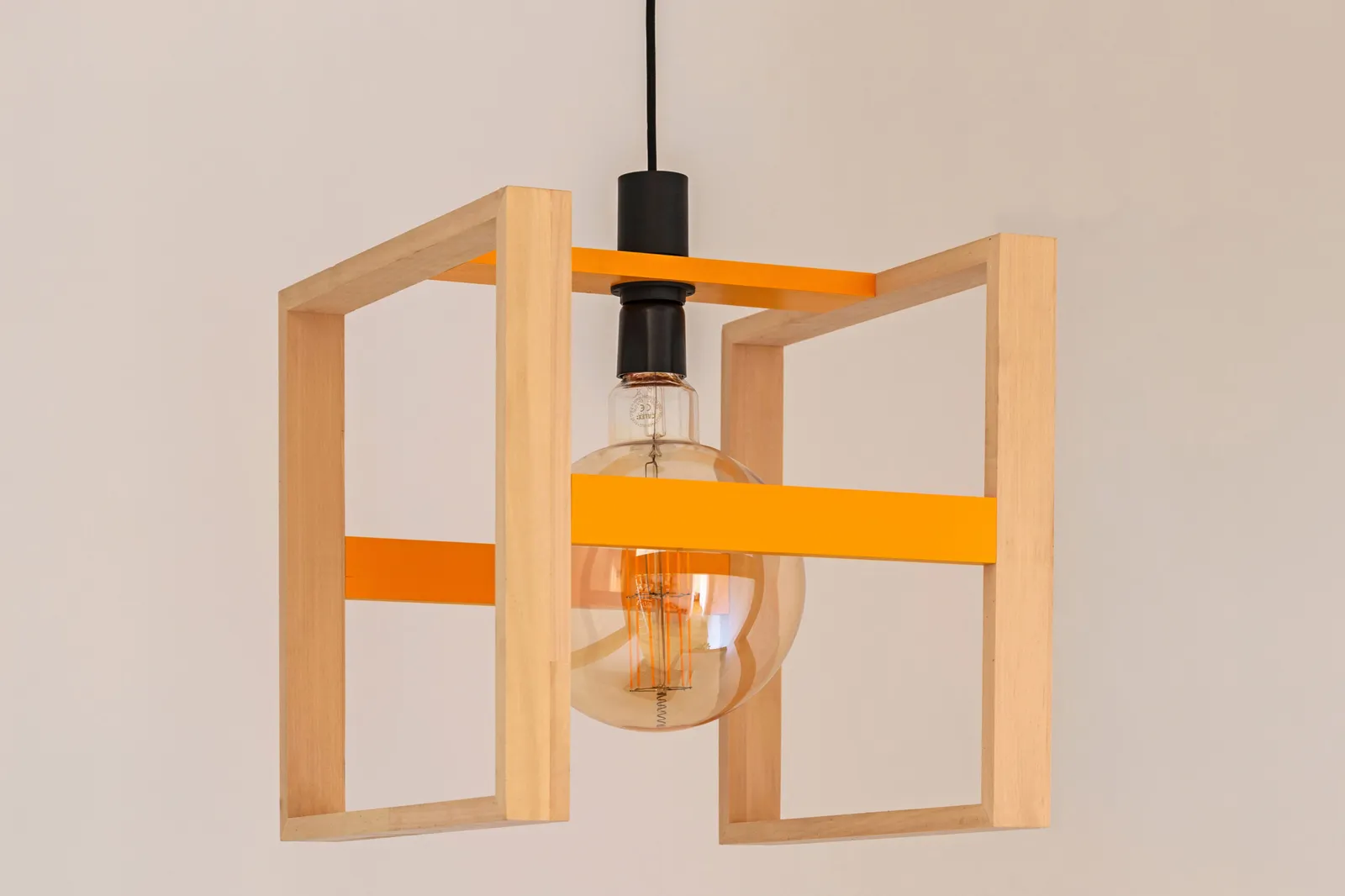
Processing poplar
Poplar trees grow quickly and can reach considerable heights and spreads. Regular, well-managed pruning produces sufficient quantities of knot-free boards. However, poplar can have an irregular structure, which encourages the formation of tension wood that may cause splitting, warping and rough surfaces. An experienced sawmiller can identify these defects and adapt the cutting method to avoid such problems. Poplar trunks contain a lot of water, so the timber needs a long drying period to prevent warping and twisting.
Ideal wood for interiors
Poplar wood has a uniform structure and a mostly straight grain. It is lightweight and soft, with a fine texture. Because it grows quickly, its growth rings can be wide, sometimes exceeding 2 cm. Both the sapwood and heartwood are generally white to pale yellow, although some logs may have a coloured heartwood, ranging from grey-green to brown. When fresh, poplar has pronounced patterns that fade slightly as it dries.
Because of its limited natural durability, untreated poplar is not suitable for outdoor use. However, heat-treated poplar can be used outdoors. Untreated, it is particularly suitable for interior applications, provided it is not in direct contact with water. It is used, for example, for wall coverings, floors and ceilings. Because it is soft, it is not suitable for areas with heavy foot traffic. Poplar is also often processed into panels, such as plywood. It is ideal for furniture-making, both as panels and as solid wood. Despite its low weight, poplar is relatively strong and can also be used for load-bearing structures, such as roof trusses.
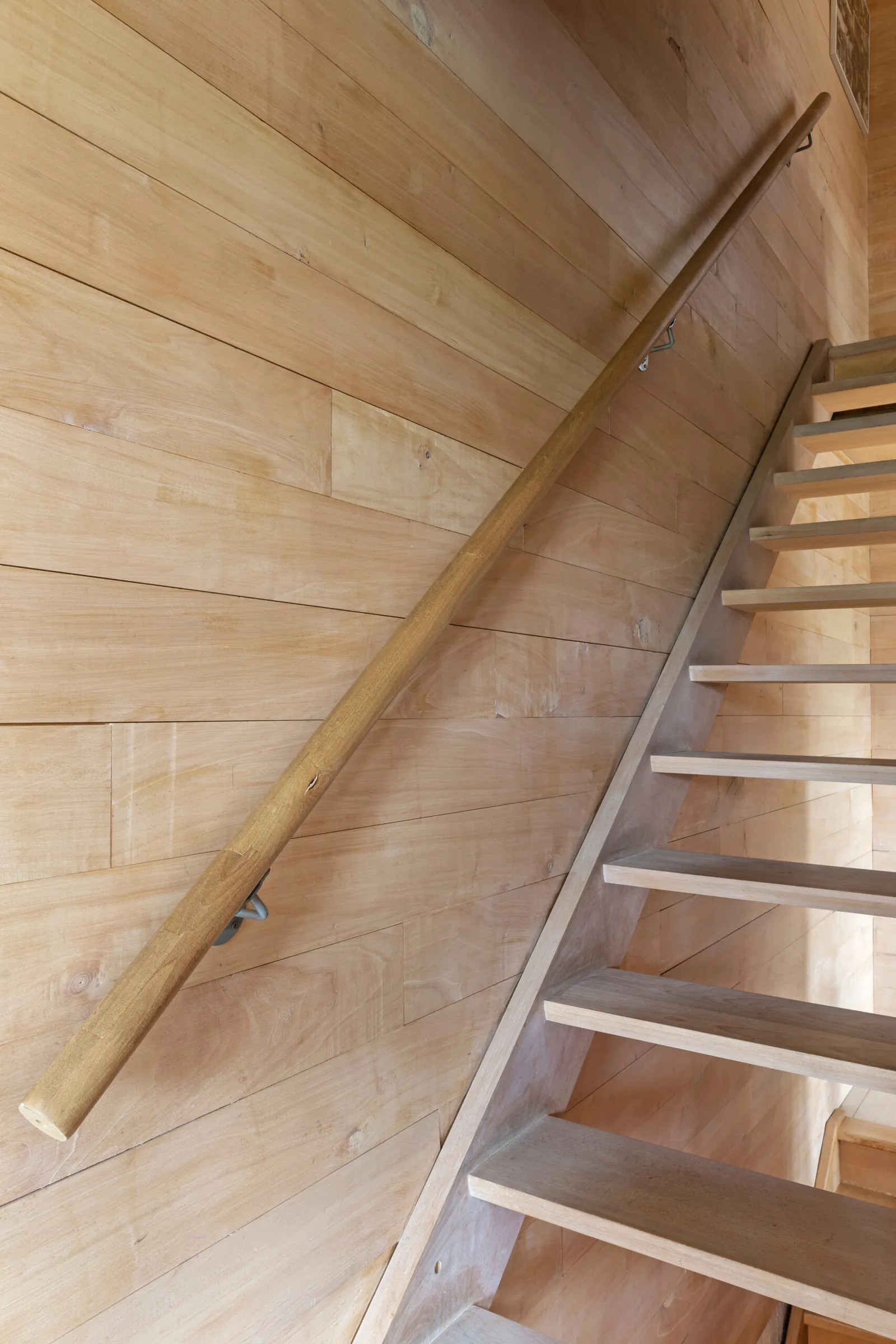
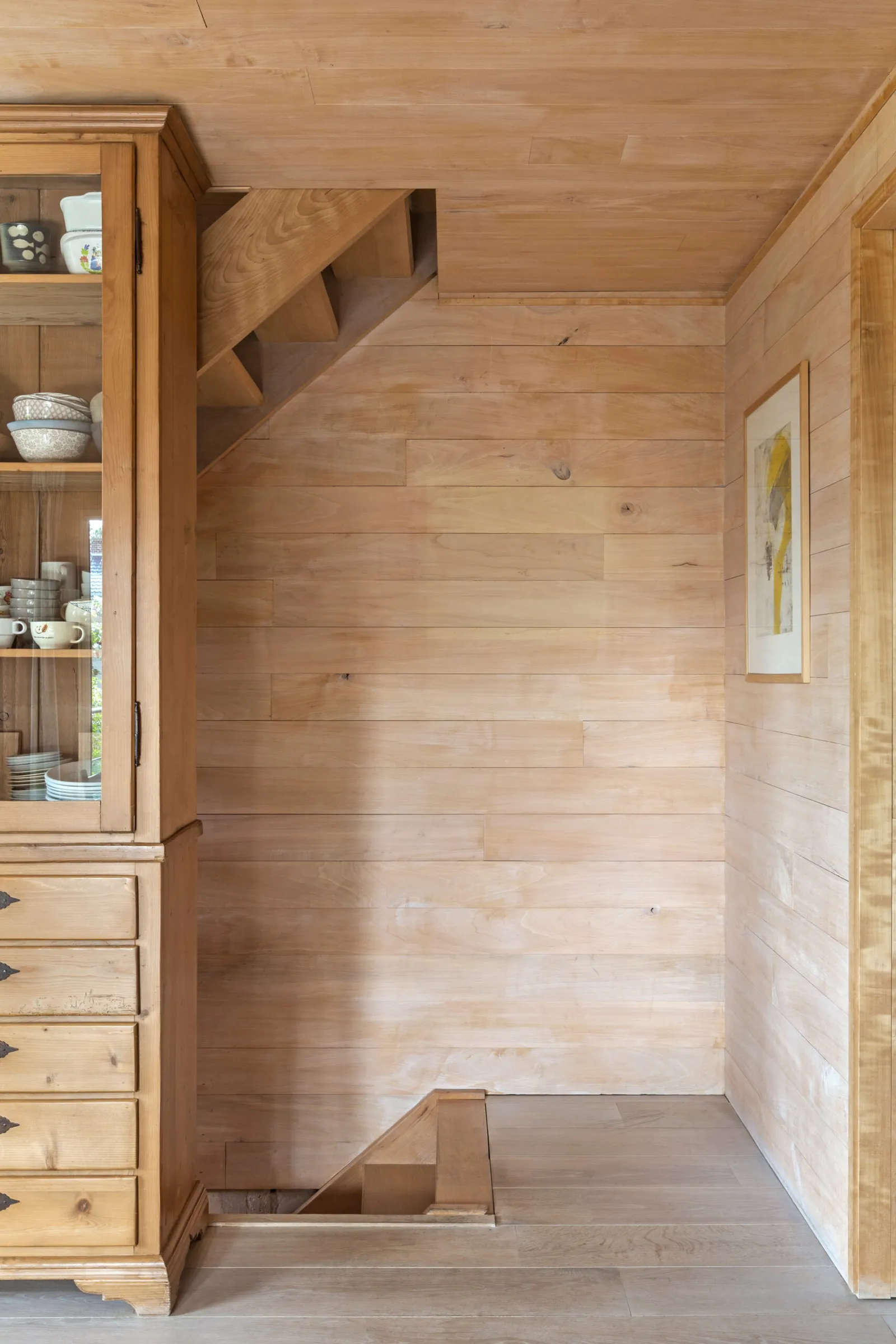
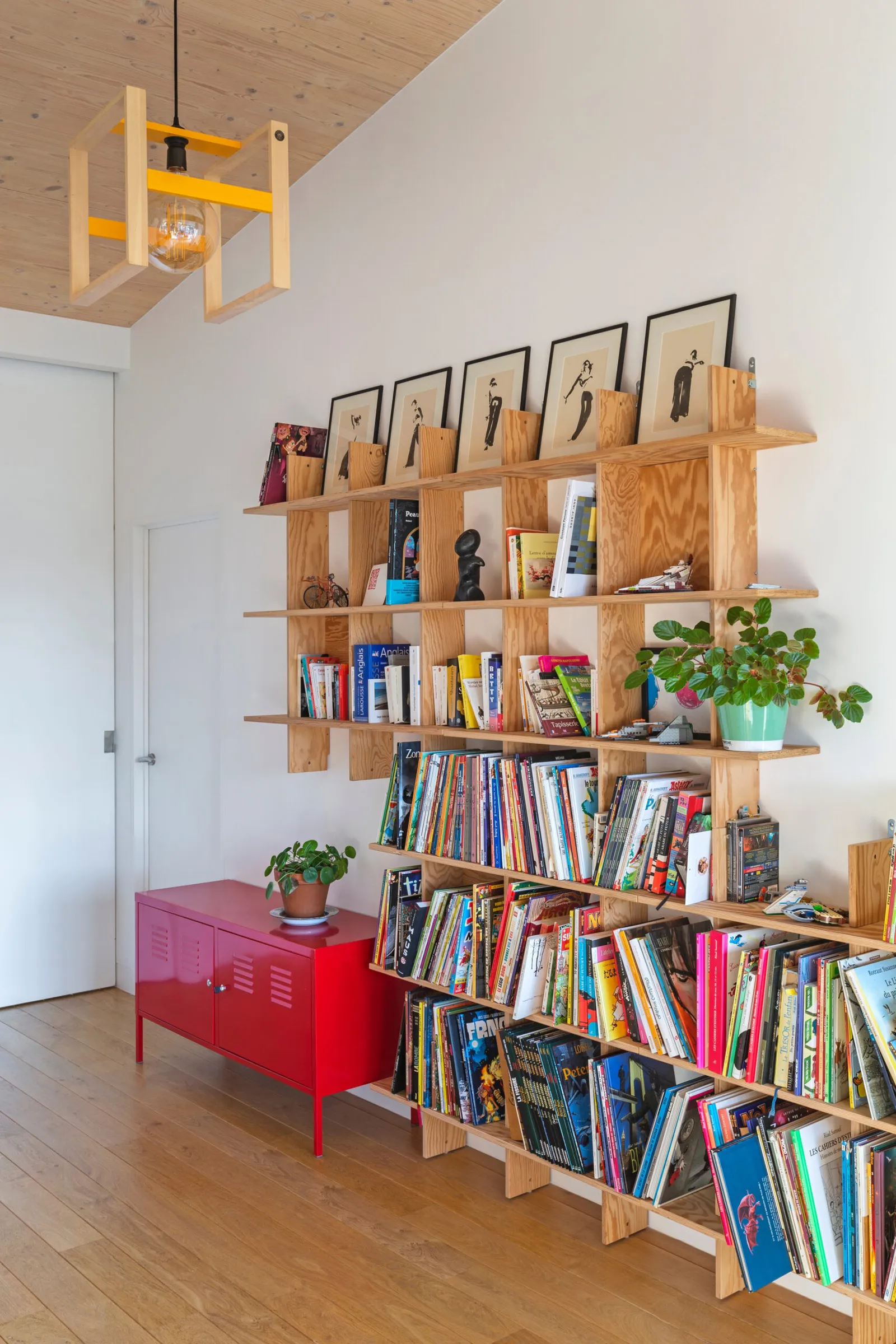
Easy-to-work wood
Poplar is easy to work with, unless it contains a lot of tension wood, which can result in a rough surface and cause saw blades to overheat. To avoid this, it is advisable to use sharp tools and saw blades with a wider tooth spacing.
For the best finish, it is recommended to sand the wood by hand rather than using a power sander, which does not always produce the best results. Once properly sanded, poplar is easy to varnish and paint. It can be assembled easily using nails, staples or screws. For technical questions or advice on processing poplar, please contact Hout Info Bois.
Question about this story? Ask your question
Keep following this
Get an email when a new story is published. No account needed.
- ThemeTimber and panels under pressure
- SubjectJoinery